Collection
Sample amount, storage, contamination, and shipping can affect the sample.

A gut test can describe microbes found in a stool sample. It cannot show the whole digestive tract. It also cannot provide a medical medical answer.
Results can change with natural gut variation, sample collection, lab methods, reference sets, software, and reporting rules.
Treat a home result as one wellness snapshot. Do not treat it as a permanent health score.
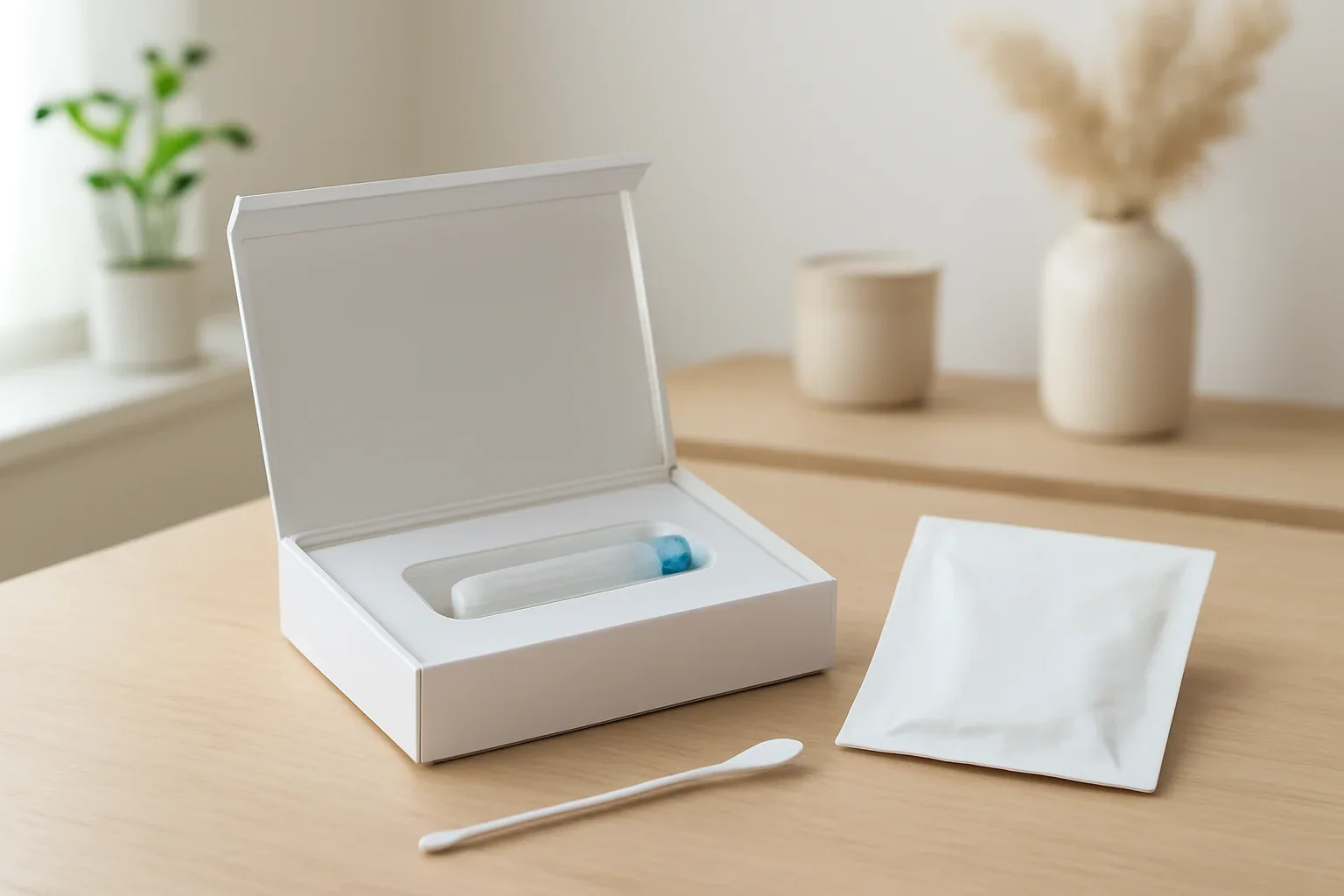
What are the main gut testing limitations? One stool sample shows one point in time. It may not reflect the whole gut. Test methods differ. Healthy people differ too. A link does not prove cause.
Stool is useful for studying fecal microbes. It is not a direct sample of every part of the digestive tract.
Studies that compare stool with gut-lining samples find clear differences between the two.
A stool result is not a map of every microbe in the stomach, small intestine, gut lining, or other body sites.

Gut microbes can change from day to day. Diet, stool form, medicines, antibiotics, illness, travel, and sleep can affect a sample.
A six-week study found large day-to-day changes in many gut groups.
A later sample can look different even without one clear lifestyle change.
Stool form is linked with gut transit time. It is also linked with richness and gut composition.
Loose and hard stools may differ partly because material moved through the gut at different speeds.
This matters when comparing reports or linking a result to a symptom.
NIST describes several testing steps: collection, extraction, sequencing, software analysis, and reporting.
Bias can enter at each step. Two labs can get different results from similar material when their methods differ.
Sample amount, storage, contamination, and shipping can affect the sample.
Some microbial cells are harder to break open than others.
Platform, read length, and read depth affect the data.
Poorly represented microbes may be harder to identify.
Software, filters, and naming rules affect reported names.
The same raw data can be summarized in different ways.
Many reports show relative share. This is a microbe's share of the measured sample.
If one group rises, another group's percent can fall even if its true number did not change.
A percent alone does not show the exact number of cells in the gut.
Different test methods provide different levels of microbe detail.
A genus-level result does not prove which species or strain is present.
Closely related microbes can be hard to separate when the method or reference set lacks enough detail.
The microbiome sequencing technology guide explains why 16S, shotgun DNA, RNA, and other methods give different data.
A microbe gene can be present without being active.
Marker-gene tests can predict functions from known genomes. A prediction is not the same as measuring genes, RNA, proteins, or metabolites.
A report should state whether a pathway was measured or only predicted.
Healthy people can have very different gut communities.
Large studies show wide variation in species, genes, diet, geography, age, and lifestyle.
Researchers have not found one ideal species list, one variety score, or one gut pattern that defines health for everyone.
Many studies find links. A bacterial group may be more common in people with a health problem.
That alone does not show that the microbe caused the health problem.
Disease, diet, medicines, gut transit, and inflammation can also change the gut community.
A health health problem may change the gut community. The gut community may also affect the body. Both can happen together.
A test can measure a body feature without proving that it identifys disease or should change care.
FDA guidance says evidence can vary by product. Home test results should not be the only basis for medical decisions.
| Question | What a Consumer Microbiome Report May Do | What It Should Not Establish by Itself |
|---|---|---|
| Which microbes are represented? | Describe selected microbes or groups in the submitted sample. | Prove that a detected microbe is causing disease. |
| What are the relative shares? | Show relative share where included. | Provide exact cell counts throughout the gut. |
| How diverse is the sample? | Show variety measures where included. | Define whether the person is healthy or unhealthy. |
| Can it explain symptoms? | Provide educational context. | Diagnose IBS, IBD, infection, intolerance, or another cause. |
| Can it guide treatment? | Support general wellness questions. | Start, stop, or select medicine, antibiotics, probiotics, or treatment. |
Repeat samples may differ because the gut changed.
They may also differ because of stool form, collection, sample handling, read depth, database updates, software, or report rules.
A before-and-after change does not prove that one diet, probiotic, supplement, or habit caused it.
Stool is not the same as tissue, blood, or a clinical pathogen test.
Find out what was measured and how much detail the method supports.
Relative share is different from an absolute count.
Predicted function is not the same as measured activity.
Check what database or comparison group supports the label.
Separate wellness information from medical answer and treatment.
The microbiome glossary explains common report terms before you interpret them.
Used for the role of collection, extraction, sequencing, software analysis, reporting, and bias. Review NIST guidance .
Used for evidence of wide variation among healthy people and the limits of one universal healthy microbiome. Review the NIH-hosted paper .
Used for the link between stool form, richness, gut composition, and transit. Review the study .
Used for evidence of day-to-day changes in abundance and diversity within one person. Review the study .
Used for evidence that stool microbes can differ from microbes on the gut lining. Review the study .
Used for U.S. guidance on test evidence, limits, and medical decisions. Review FDA guidance .
Used for the current stated scope of MicrobiomeTest.us reports, including wellness and non-diagnostic use. Review the current disclaimer .
The current GutTest.us medical disclaimer says reports are for education and wellness.
If you are considering testing, review the current gut microbiome test page and its stated scope.
Read microbiome test results as sample-based information. Do not use one report to identify disease, explain ongoing symptoms, or change treatment without proper medical care.
A stool test reflects one sample at one point in time. Results can vary with collection, stool form, recent exposures, lab methods, databases, software, and natural gut changes.
No. A home test should not identify, confirm, rule out, or monitor these health problems by itself.
No. Stool is useful for studying fecal microbes. It does not fully represent the gut lining, stomach, small intestine, or every part of the colon.
Collection, extraction, sequencing, databases, software, detection limits, and reporting rules can differ between tests.
No. Variety describes a community. Healthy people vary widely. No single score defines a healthy gut for everyone.
No. A home report may add context. It cannot prove that one food, probiotic, supplement, medicine, or treatment will improve health.
Useful reading starts with the sample, method, units, reference set, limits, and claim being made.
This article is educational. It does not identify, prevent, treat, cure, or rule out disease.