Gut-Brain Axis: How the Gut and Brain Communicate
The gut-brain axis is a two-way link between the gut and brain. It uses nerves, immune signals, hormones, blood signals, and microbial compounds.
The gut microbiome can take part in this system. But it is not the whole gut-brain axis. Nerves, immune cells, hormones, and brain responses also matter.
Answer first: signals move both ways. The gut can send information to the brain. The brain can change gut movement, secretions, sensation, and behavior.
What Is the Gut-Brain Axis?
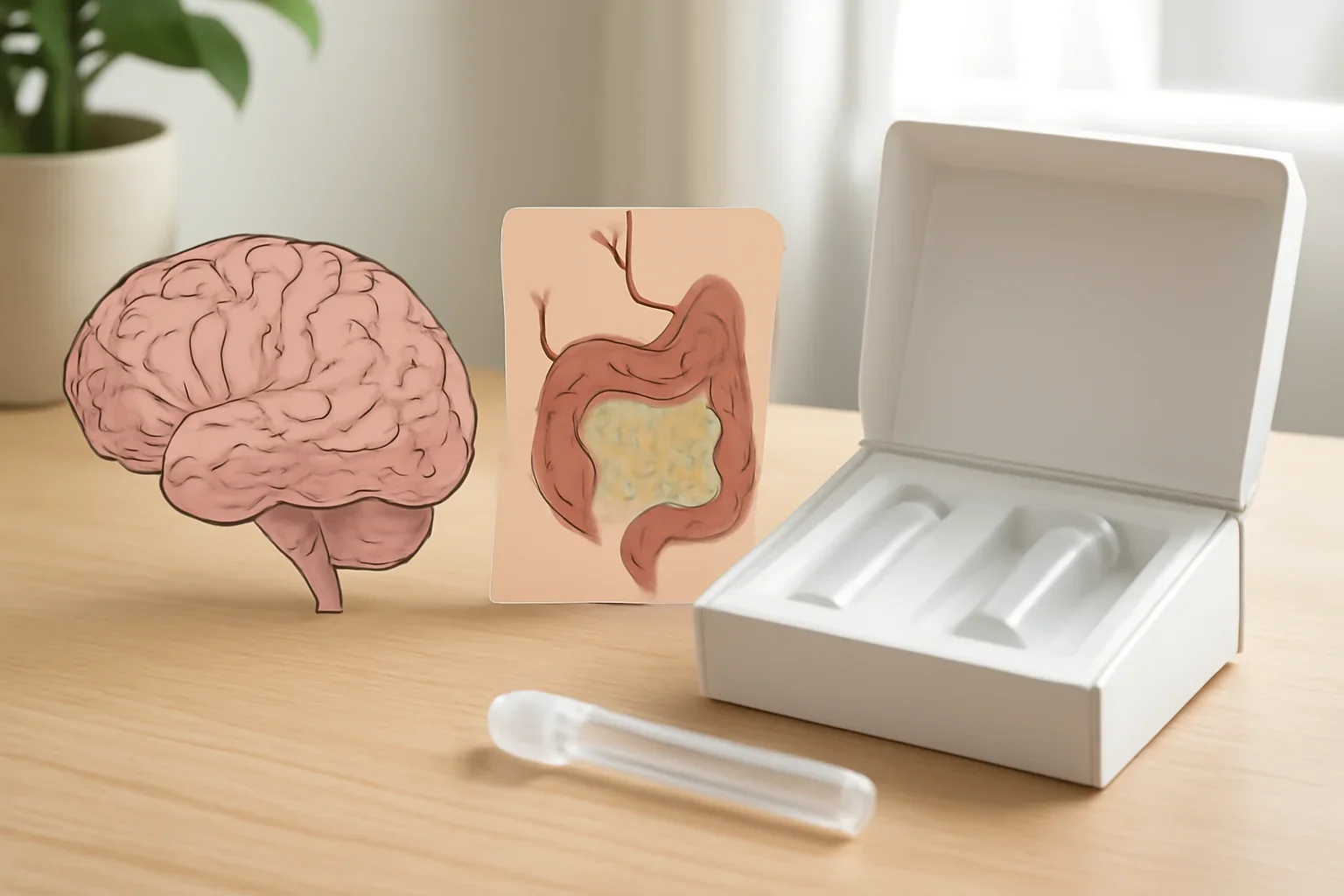
The gut-brain axis links the gut with the brain and spinal cord. The brain gets signals from the gut. It also sends signals back.
NIDDK uses the term disorders of gut-brain interaction for problems in this system. IBS is one example.
Nervous System
The enteric nervous system and vagus nerve carry signals both ways.
Immune System
Immune cells and inflammation can affect the gut and nervous system.
Hormones
Gut and stress hormones can affect appetite and digestion.
Microbial Metabolites
Gut microbes can make compounds that affect body cells and signals.
Gut-Brain Axis vs Microbiota-Gut-Brain Axis
The gut-brain axis is the wider system. It is not limited to microbes. It includes gut sensation and nerves. Hormones, immunity, and blood signals also matter.
The microbiota-gut-brain axis adds microbes to that system. Researchers study how microbes may change gut-brain signals. They also study microbial compounds and the body's response.
This difference matters. A gut-brain finding is not always a microbiome finding.
How Do Nerves Connect the Gut and Brain?
The gut has its own nerve network. It is called the enteric nervous system. It helps control movement and secretions. It also helps control digestion.
The vagus nerve is another key pathway. It carries signals between the gut and the brainstem. Gut signals can affect brain pathways without microbes entering the brain.
In one mouse study, a Lactobacillus rhamnosus strain changed behavior. It also changed brain GABA-receptor activity. The effect depended on the vagus nerve. This does not prove the same effect in people.
How Can Gut Microbes Send Signals?
Microbial Metabolites
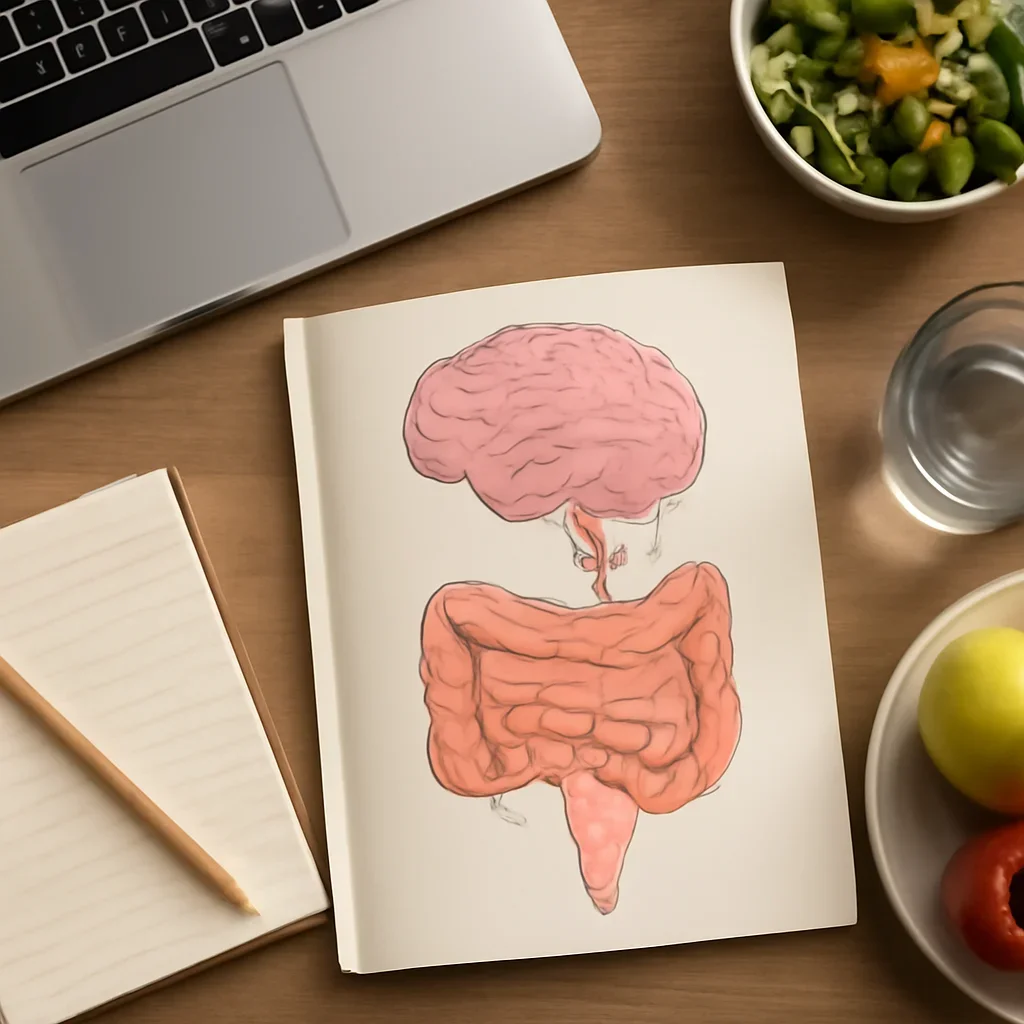
Gut microbes can make short-chain fatty acids and other molecules. These can affect gut, immune, and body pathways.
Immune Signals
Microbes can affect immunity. Immune signals can then affect nerves, gut function, and other organs.
Gut Cells and Hormones
Food and microbial products can affect cells in the gut. Those cells can release hormones or signal nearby nerves.
In mice, microbial short-chain fatty acids have been linked with brain immune cells. This suggests one possible pathway. It does not mean one stool compound can predict brain health in a person.
How Can the Brain Affect the Gut?
Communication is not one-way. Stress can change gut sensation and digestion. Attention and expectation can matter too.
Brain signals can affect gut movement, secretions, blood flow, and how strong gut sensations feel.
This two-way model matters in IBS. NIDDK says altered gut-brain signals can change bowel patterns. They can also make normal gas or stool feel painful.
What Does the Research Show?
| Evidence Type | What It Can Show | What It Cannot Prove Alone |
|---|---|---|
| Human Population Studies | Links between microbiome features and quality of life, depression, diet, or symptoms. | That one bacterium caused a mental or brain disorder. |
| Clinical Gut-Brain Research | How pain, gut sensation, stress, bowel function, and brain responses relate in IBS and similar disorders. | That a stool result explains every symptom in one person. |
| Animal Studies | Possible pathways involving the vagus nerve, microbial compounds, immune signals, and brain cells. | That people will have the same result. |
| Consumer Stool Testing | Features of microbes found in the stool sample, depending on the method. | A diagnosis of anxiety, depression, IBS, autism, Parkinson's disease, or another disorder. |
Can the Gut Microbiome Affect Mood?
Research does not support a simple one-microbe, one-mood rule. Human studies can find links. Many factors affect mental health. Many factors also affect the gut microbiome.
One large human study included over 1,000 people. It linked some microbial features with quality of life. It also found links with depression. The authors warned that other factors could affect the results.
Many cause-and-effect studies use animals. They can help test possible pathways. They do not prove a diagnosis or treatment effect in people.
A stool test cannot tell whether the microbiome caused a person's mood, anxiety, or depression.
Why Is the Gut-Brain Axis Important in IBS?
NIDDK classifies IBS as a disorder of gut-brain interaction. IBS may change gut sensitivity. It may also affect bowel movement or pain processing.
The microbiome may be one research factor. But a microbiome profile does not diagnose IBS. Symptoms, history, and medical evaluation still matter.
What Can a Microbiome Test Show?
A stool report may describe microbes found in the sample. It may also show abundance or diversity. Some reports add educational notes.
It cannot directly measure the vagus nerve, brain activity, stress hormones, immune signals across the body, or all gut metabolites.
Read the microbiome testing limitations before using a consumer report to make a wellness decision.
Sequencing Measures Only Part of the System
DNA and RNA methods answer different microbiome questions. They still measure only part of the gut-brain system.
Learn how common methods differ in the microbiome sequencing technology guide.
When reading a report, check the method, level of detail, reference data, and limits. The microbiome glossary explains common terms used in these reports.
Sources Used for This Article
NIDDK: IBS and Gut-Brain Interaction
Used for the current clinical description of IBS as a disorder of gut-brain interaction.
Review NIDDK guidanceNIDDK Gut Feelings Workshop
Used for current NIH research framing on gut-brain signaling, interoception, microbial variables, and research gaps.
Review the NIH workshopValles-Colomer et al., 2019
Human population study linking microbiome features with quality-of-life measures and depression, while emphasizing confounders.
Review the human studyBravo et al., 2011
Mouse study showing a vagus-dependent effect of one probiotic strain on behavior and brain GABA-receptor expression.
Review the vagus studyErny et al., 2015
Mouse study linking gut microbiota and short-chain fatty acids with microglial development and function.
Review the microglia studyCan an At-Home Test Explore Part of This System?
An at-home stool test can explore some microbiome features for wellness. It does not measure the whole gut-brain axis.
If you are considering testing, review the current gut microbiome test page and read the stated scope before ordering.
Read microbiome test results in context. Do not treat one bacterial group or score as a brain-health marker.
Frequently Asked Questions
Direct answers about gut-brain signals, the vagus nerve, microbes, IBS, mental health, and test limits.
What Is the Gut-Brain Axis?
It is the two-way link between the gut and brain. Nerves, immune signals, hormones, and other pathways take part.
Is the Gut-Brain Axis the Same as the Gut Microbiome?
No. The microbiome is one part of a wider system with nerves, hormones, immune signals, and brain responses.
What Role Does the Vagus Nerve Play?
The vagus nerve carries signals between the gut and brainstem. Some animal microbiome effects use this pathway.
Can Gut Bacteria Affect Mood or Mental Health?
Human studies show links, while many mechanism studies use animals. A link does not prove that one microbe caused a mood disorder.
Is IBS Related to the Gut-Brain Axis?
Yes. NIDDK describes IBS as a disorder of gut-brain interaction. These signals can affect pain and bowel function.
Can a Microbiome Test Diagnose a Gut-Brain Problem?
No. A consumer stool test cannot diagnose anxiety, depression, IBS, or a brain disorder.
The Gut-Brain Axis Is More Than the Microbiome
Use microbiome information as one part of a larger gut-brain picture. Nerves, immune signals, hormones, metabolites, and personal context also matter.
This article is educational. It does not diagnose, prevent, treat, or cure disease.