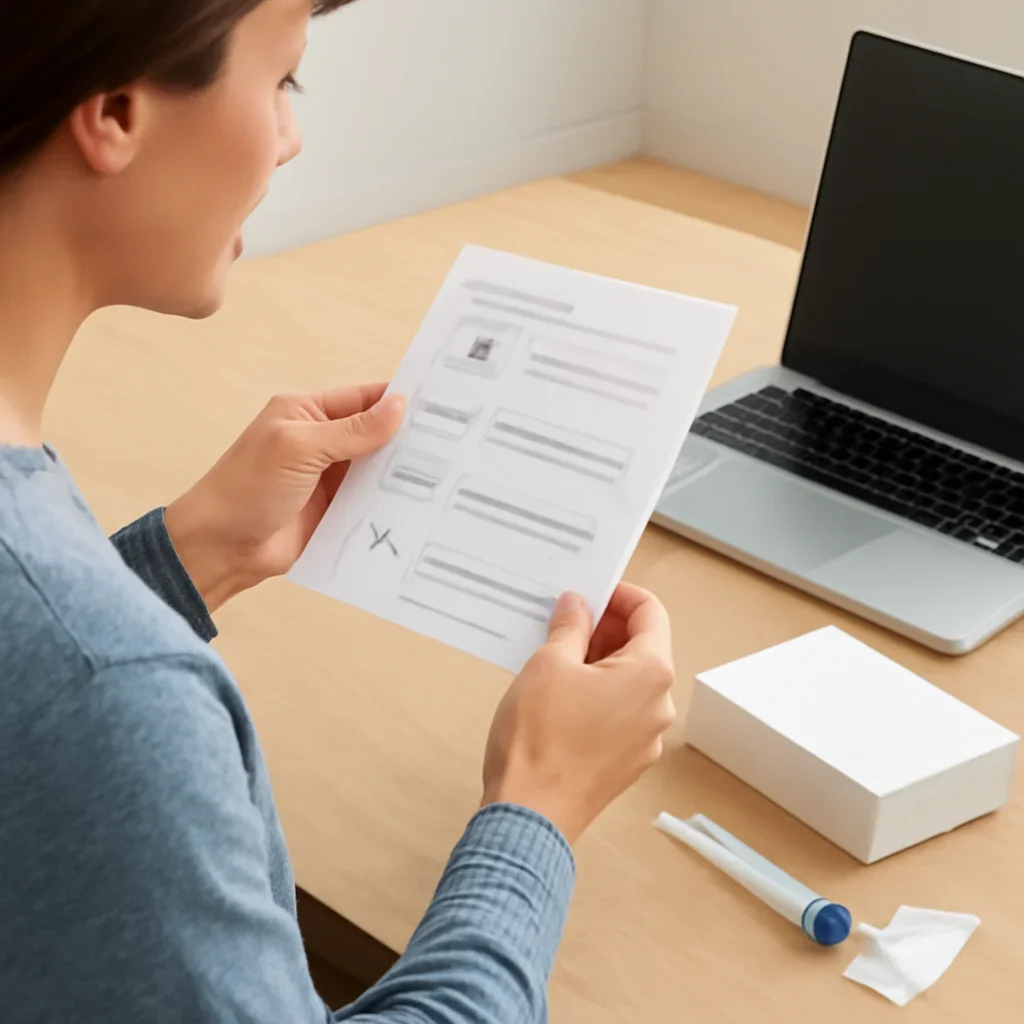
Sample-Based Information
The report reflects the sample that was tested. It is not a complete picture of your health.

A stool microbiome test uses a stool sample to look at gut bacteria. You collect the sample at home and return it for lab processing.
The report may show which bacteria were found in the sample. It may also show relative abundance. The report is for information and general wellness, not diagnosis.
A consumer microbiome test is different from a medical stool test. Medical stool tests may check for disease, infection, bleeding, or inflammation.
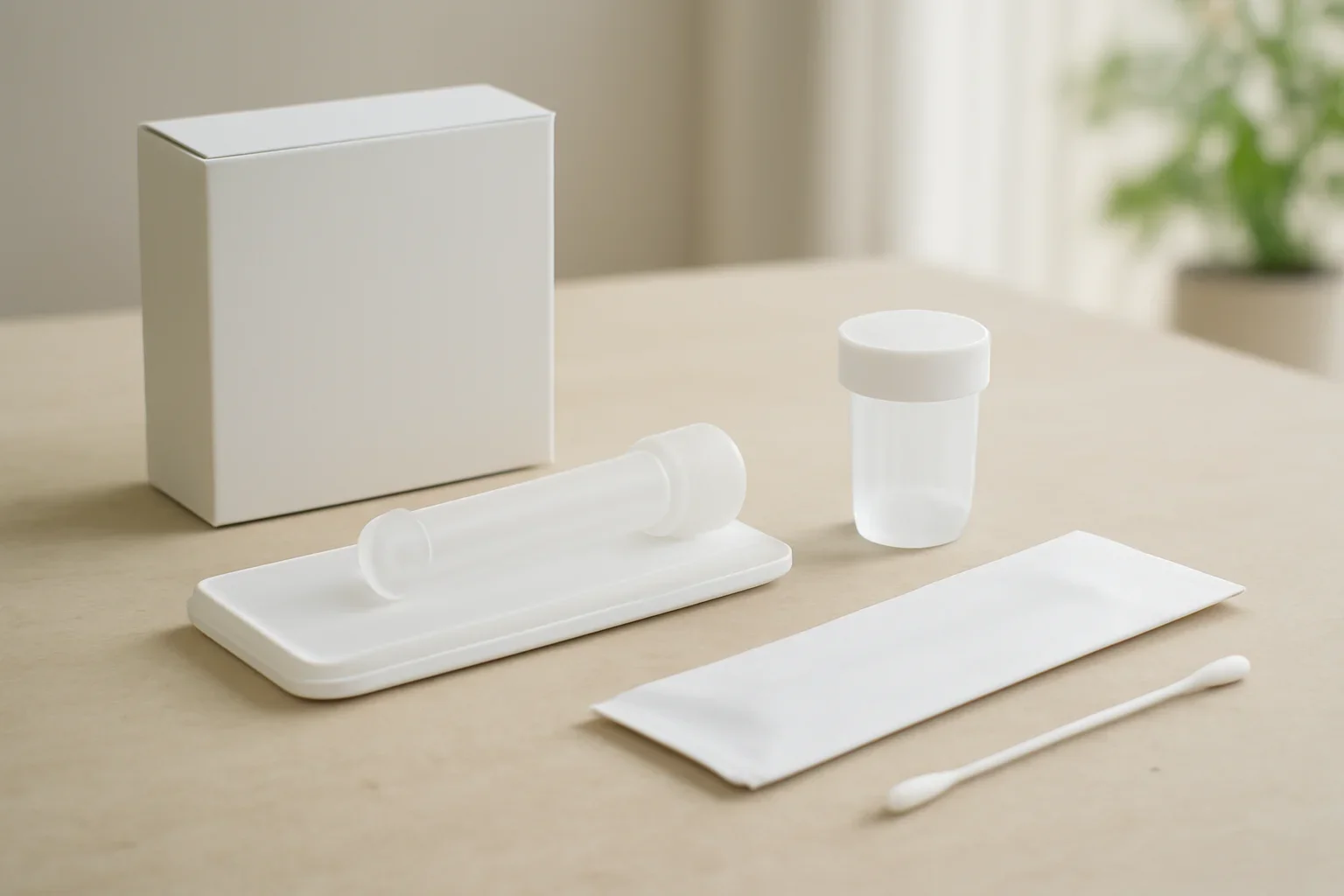
Stool carries microbes from the digestive tract. The test uses the sample to build a report about gut bacteria.
The report reflects the sample that was tested. It is not a complete picture of your health.
The report may show the types of bacteria found in the sample. It may also show relative abundance.
Read bacterial findings with the rest of the report. One result alone does not prove health or disease.
For the wider product overview, see the gut microbiome test page.
Both tests may use stool, but they have different goals. A consumer test describes microbiome findings. A medical stool test checks a health question.
| Question | Consumer stool microbiome test | Clinical stool testing |
|---|---|---|
| Main purpose | Provide microbiome information from the sample. | Help check a symptom, condition, or medical question. |
| What may be checked? | Gut bacteria and other details in the current report. | Doctors may check for blood, bacteria, parasites, inflammation, or signs of disease. |
| Can it diagnose disease? | No. | Some medical tests can support diagnosis when used with symptoms, history, exams, and other tests. |
| Who decides which test is needed? | The customer chooses the consumer service. | A doctor may order testing based on the medical question. |
Clinical context: NIDDK says doctors may use stool tests to check for blood, bacteria, parasites, or signs of disease. MedlinePlus also describes stool tests that can help check for inflammation.
Sources: NIDDK — Stool Tests · MedlinePlus — Calprotectin Stool Test
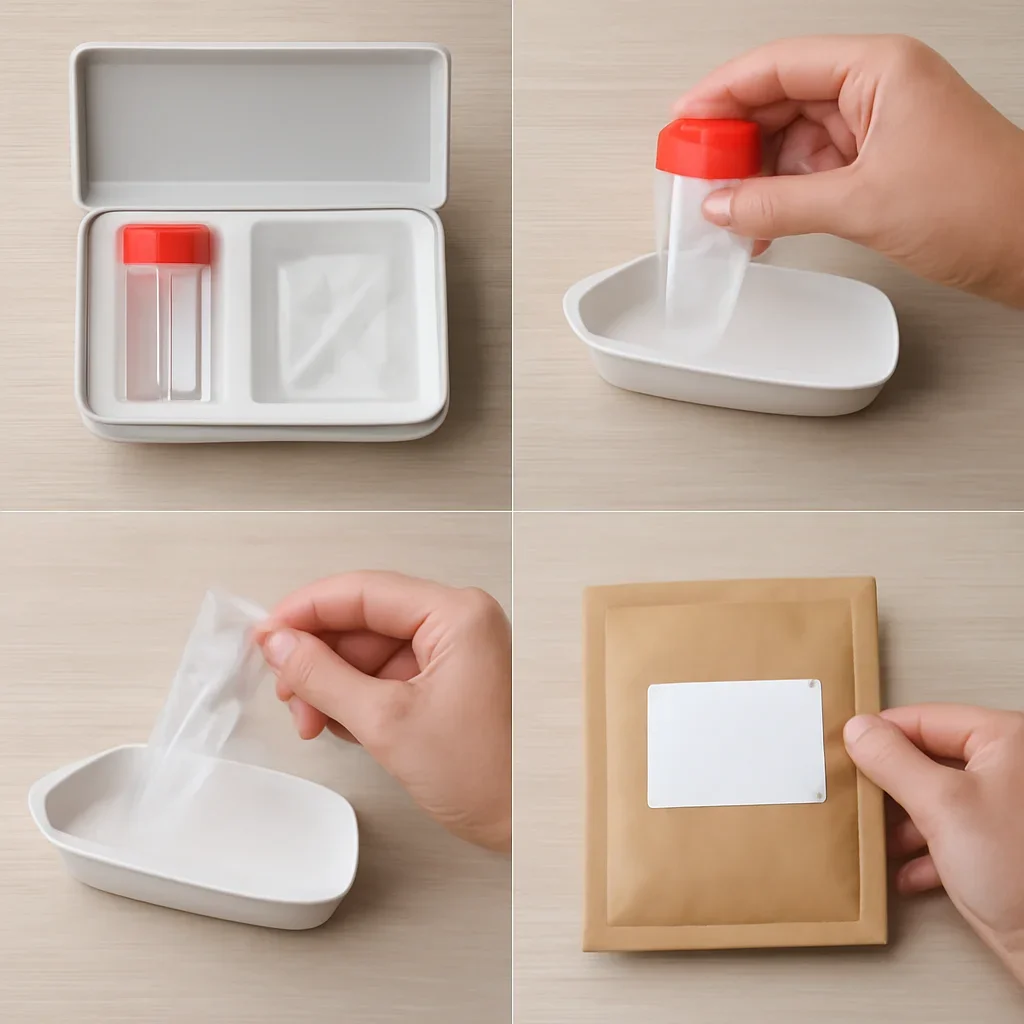
This is only a high-level overview. Follow the current kit instructions for the full collection steps.
See how the microbiome test works for the full order, collection, return, and report process.
The report may show the types of bacteria found in the stool sample. It may also show relative abundance and other microbiome details.
Before ordering, you can view a sample microbiome report to see how the findings are presented.
When your report is ready, use understand your microbiome results to help read the findings and limits.

The current lab estimate is 15–20 working days after an eligible sample is received. Shipping time is separate.
Review delivery and return steps before collection. Keep any tracking details for the shipment.
Price and shipping charges may change. See the microbiome test cost page for current price details.
Direct-to-consumer testing: the FDA says these tests can differ in the evidence behind their claims. Results should not be the only basis for medical choices. They also do not replace normal medical care.
Source: FDA — Direct-to-Consumer Tests
Simple answers about stool samples, reports, medical testing, lab time, and test limits.
It uses a stool sample to look at gut bacteria and other microbiome details.
A consumer test describes microbiome findings. Medical stool tests may check for blood, infection, inflammation, or other signs of disease.
Yes. You collect the stool sample at home with the materials supplied in the kit.
It may show the types of bacteria found in the sample, relative abundance, and other report details.
The current lab estimate is 15–20 working days after an eligible sample is received. Shipping time is separate.
No. The test is for information and general wellness. It does not diagnose, treat, cure, prevent, or rule out disease.
Review the sample type, report, process, price, shipping, and test limits. If you need a diagnosis, talk with a doctor.
A stool microbiome report does not replace medical stool testing or medical care.