Viome vs MicrobiomeTest.us
Compare current ordering, report style, privacy, process, support, and claim limits.

Compare microbiome tests by the details that matter before buying: sample type, report style, price, process, privacy, support, and test method.
This hub does not repeat every comparison. It groups the guides by question so you can open the right page faster.
A comparison can help with product fit. It cannot show which test will diagnose a symptom or condition.
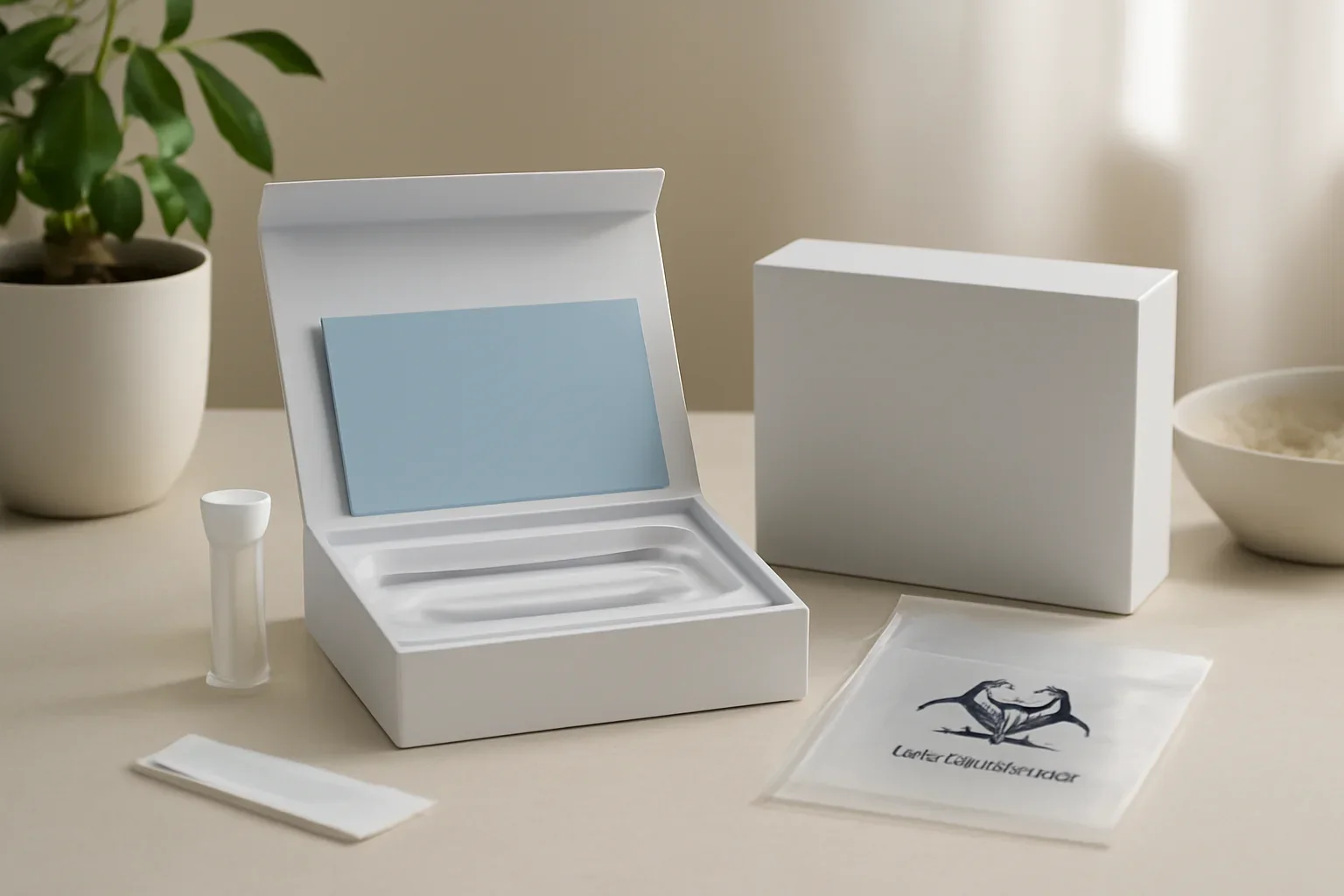
How should you compare microbiome tests? Start with the question you want the test to answer. Then compare sample type, disclosed method, report preview, total cost, shipping, privacy, support, and claim limits.
Use these pages when you already have a provider in mind. Each guide keeps the detailed comparison on its own page.
Compare current ordering, report style, privacy, process, support, and claim limits.
Review the current product flow, report format, price, support, and policies.
Compare the current test, report style, customer process, and stated limits.
Compare current product pages, report details, policies, and support.
Use these pages when two tests sound similar but serve different purposes.
Compare purpose, sample type, report style, and limits.
Separate microbiome profiling from tests built around food-response questions.
Compare a stool report with a questionnaire or recommendation tool. They are not the same.
Technology matters when a provider states the method. Different methods can produce different data.
Compare marker-gene, shotgun DNA, and RNA methods. See what each measures and what each cannot prove.
The how the microbiome test works page explains the current process. Check method claims against current provider details.
Use these guides when you are still deciding which test type or buying factors matter most.
Build a shortlist around sample type, report clarity, method details, process, privacy, and claim quality.
Compare broad gut-health testing categories before choosing a specific product.
A fair comparison uses the same questions for every product. Use current product pages and policies as the main source.
| Comparison Point | What to Check | Why It Matters |
|---|---|---|
| Sample type | Stool, saliva, swab, blood, or another sample. | Different samples answer different biological questions. |
| Test method | Check the method only when the provider clearly discloses it. | 16S, shotgun DNA, RNA, and other methods can show different information. |
| Report preview | Look for a real sample report or detailed report description. | You can judge clarity before paying. |
| Total cost | Check kit price, shipping, return shipping, subscriptions, and repeat-test costs. | The checkout price may not be the full cost. |
| Turnaround | Separate kit delivery, sample return, and lab processing time. | A single headline timeline can hide several stages. |
| Privacy | Read how sample, report, account, and testing data may be handled. | Health-related data deserves clear consent and policy language. |
| Support | Check what happens with shipping, collection, failed samples, and report questions. | Support matters after checkout as much as before it. |
| Claim limits | Look for clear non-diagnostic language and evidence for health claims. | A wellness test should not be presented as a medical diagnosis without proper support. |
Decide whether you are comparing gut microbiome profiling, another test type, or a specific provider.
Open the current product, process, report, price, privacy, and shipping pages.
A clearer limitation can be more useful than a larger list of marketing claims.
Use the same checklist for MicrobiomeTest.us and every other provider.
Review the current gut microbiome test page for the active product scope.
Before checkout, view a sample microbiome report and understand your microbiome results so you know what the report looks like.
Check the current microbiome test cost. Then order a microbiome test only when the process, cost, and report fit your needs.
Used for the current order, home collection, return, lab timing, report scope, and test limits. Review the current process.
Used to confirm the current brand, test-type, buying, and technology guides. Review the comparison center.
Used for evidence that collection, lab work, sequencing, software, and reporting can affect results. Review NIST guidance .
Used for U.S. guidance on consumer tests, evidence, limits, and medical decisions. Review FDA guidance .
Compare sample type, stated method, report preview, price, shipping, turnaround, privacy, support, repeat-test costs, and claim limits.
No. Price matters. Value also depends on what is included, report clarity, process, privacy, and fit.
Yes, when the provider states the method. Different methods can produce different kinds of data.
No. These tests answer different questions. Compare purpose, sample type, report, and limits. Do not treat them as interchangeable.
Yes. A sample report shows how results are organized, which terms appear, and how much detail you receive.
No. A comparison can help with product fit. It cannot diagnose symptoms, replace clinical testing, or decide treatment.
Start with brand, test type, technology, or a broad buying guide. Then verify current product details before checkout.
This comparison hub is for commercial research and general education. It does not diagnose, prevent, treat, cure, or rule out disease.