Reported Gut Bacteria
Review bacteria or bacterial groups identified in the submitted sample according to the laboratory report.

Looking for an at-home gut microbiome test in Louisville, Kentucky? MicrobiomeTest.us provides an online ordering and home-collection process that lets Louisville customers collect a stool sample privately at home, return it according to the current kit instructions, and review a laboratory-based microbiome report.
The same home-based process can fit customers across Downtown, NuLu, Butchertown, Old Louisville, the Highlands, Clifton, Portland, Shelby Park, Smoketown, and other Louisville neighborhoods. Standard stool collection does not require an appointment at a local microbiome testing clinic.
Important: Gut microbiome testing is intended for informational and wellness-planning purposes. It does not diagnose digestive disease, determine the medical cause of symptoms, or replace advice from a qualified healthcare professional.
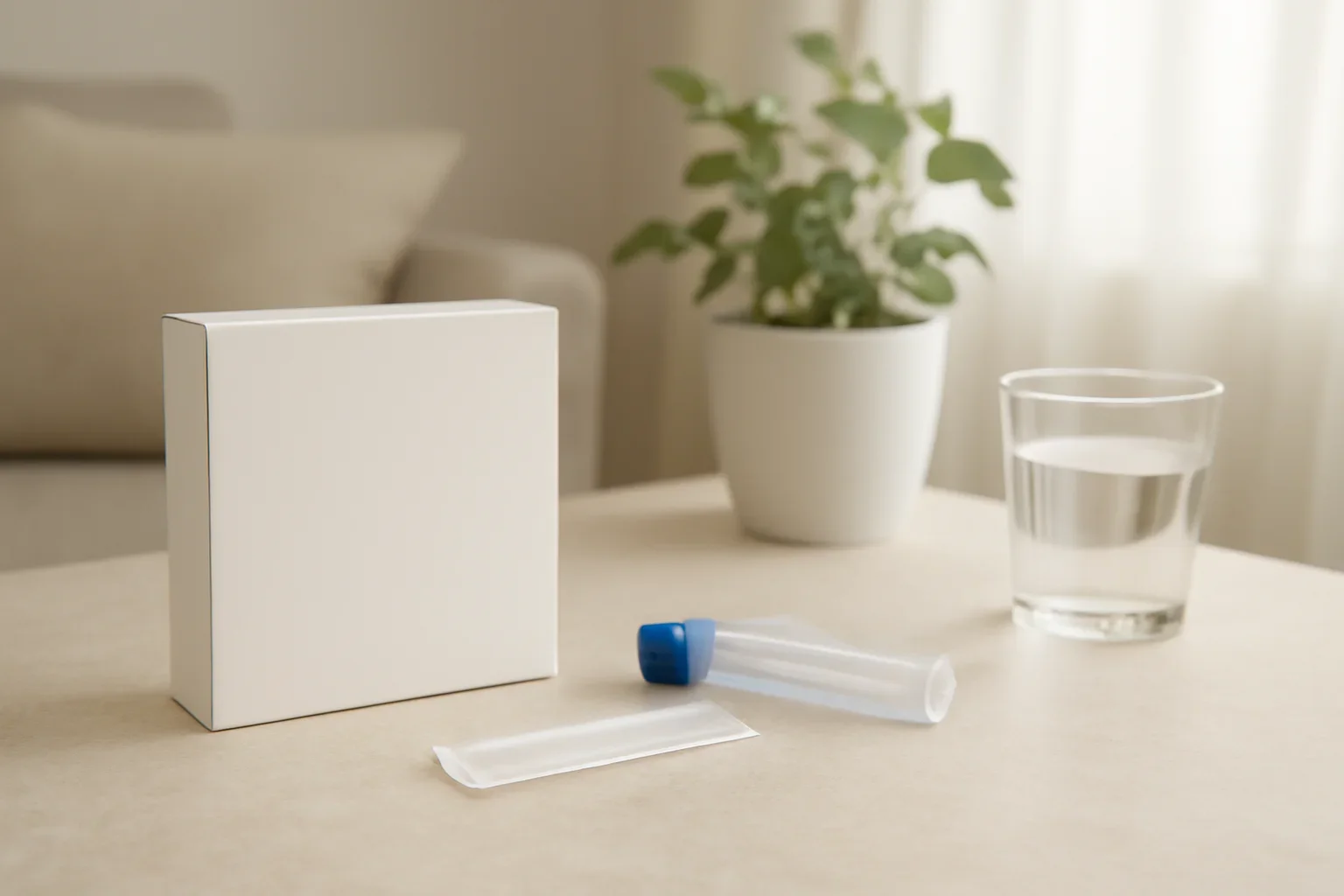
Louisville covers a broad mix of historic urban neighborhoods, commercial corridors, residential districts, and suburban areas. Daily routines can look very different depending on whether you live near Downtown and NuLu, in Old Louisville, around Bardstown Road and the Highlands, near Frankfort Avenue, or farther west in Portland or Russell.
An at-home stool collection process removes the need to travel across Louisville simply to provide the standard sample. Before ordering, review the Gut Microbiome Test and the microbiome testing process so you understand collection, shipping, laboratory processing, and report expectations.
When your kit reaches your Louisville address, read all current collection and return instructions before beginning. That is more useful than assuming every kit follows exactly the same packaging or mailing requirements.
Yes. The Gut Microbiome Test uses a stool sample collected privately at home with the materials supplied in the kit. Standard collection does not require a Louisville clinic appointment.
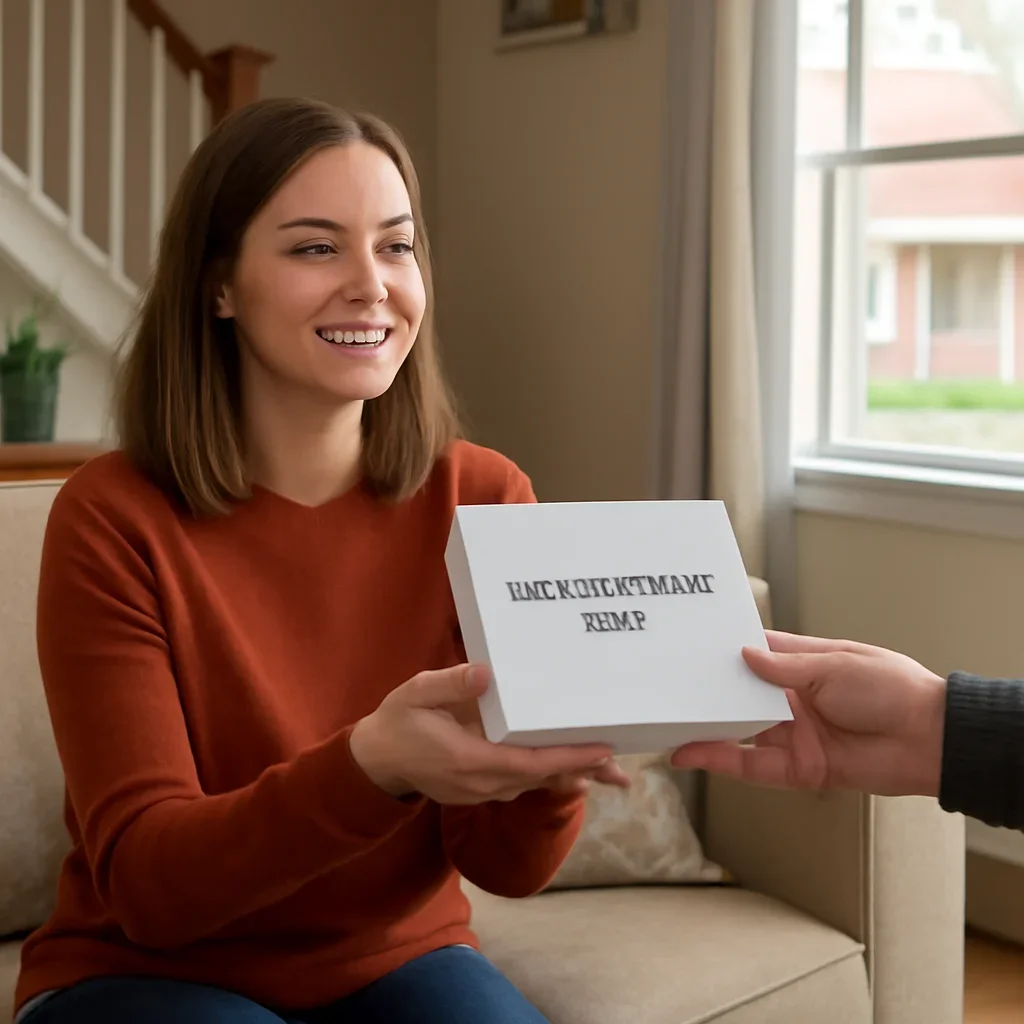

Kit delivery, home collection, sample return, laboratory analysis, and report preparation are separate stages. Understanding those stages makes it easier to set realistic expectations about the full testing timeline.
Check the current product description, sample requirement, kit and shipping charges, report information, and collection guidance before placing your order.
Open the package carefully and confirm that the collection materials, packaging materials, and current return instructions are present.
Read the instructions before collection and use the supplied materials exactly as directed for collection, labeling, closure, and handling.
Follow the current return address, packaging, and shipping requirements provided with your specific kit. Keep your mailing receipt and tracking information until delivery is confirmed.
The estimated laboratory turnaround is approximately 15–20 working days after an eligible stool sample reaches the laboratory. Kit delivery and return-transit time are separate.
Review the report as a snapshot of the submitted sample. Use it to support better questions about diet, supplements, daily habits, and general digestive wellness rather than as a diagnosis.
The report provides structured information about the bacterial composition represented in the submitted stool sample. Its value comes from understanding the reported information without treating one sample as a complete medical explanation.
Review bacteria or bacterial groups identified in the submitted sample according to the laboratory report.
Explore how reported microorganisms are represented relative to other bacteria identified in the same sample.
Use educational explanations to better understand the terminology, bacterial composition, and microbiome patterns presented.
Use the information as a starting point for more focused conversations about food, supplements, habits, and digestive wellness.
Louisville's neighborhood structure is one reason a generic location page does not say very much. Downtown and NuLu have a very different urban character from Old Louisville, the Highlands, Clifton, Crescent Hill, or residential areas farther west and south.
Louisville Metro formally recognizes multiple local preservation districts, including Butchertown, Cherokee Triangle, Clifton, Old Louisville, Parkland, Limerick, and West Main Street. Butchertown sits immediately east of Downtown and combines residential, commercial, and industrial history, while Cherokee Triangle lies alongside Bardstown Road and Cherokee Park.
Louisville's adopted neighborhood planning also extends well beyond those preservation districts. Metro planning resources include plans for NuLu, Original Highlands, Crescent Hill, Portland, Parkland, Smoketown, Shelby Park, Russell, and other established communities.
Those neighborhoods differ in density, housing, street layout, and commuting patterns, but the standard Gut Microbiome Test workflow does not change by Louisville neighborhood: order online, receive the kit, collect the sample at home, return it according to the current instructions, and review the completed report.
These references describe documented Louisville neighborhoods, preservation districts, and planning areas. They do not imply that MicrobiomeTest.us operates a physical laboratory, clinic, office, or sample-collection site in those neighborhoods.
At-home microbiome testing is most useful when the goal is to obtain structured microbiome information and use it to ask better wellness questions—not when someone expects one report to explain every digestive symptom.
Review laboratory-generated information about bacteria represented within your submitted stool sample.
Explore how reported microorganisms contribute to the bacterial community represented in the sample.
Use the report as a microbiome snapshot that may provide context if carefully planned repeat testing becomes relevant later.
Use the results to organize more informed questions about diet, supplements, daily routines, and general digestive wellness.
Clear limitations make health-related content more useful. A microbiome report may provide meaningful informational context from the submitted stool sample, but it is not a replacement for diagnostic testing or professional medical care.
Review statewide availability, the Gut Microbiome Test, the testing workflow, and at-home collection information before deciding whether the test fits what you want to explore.
Review broader Kentucky information for customers considering at-home microbiome testing.
Review the actual test, stool sample requirement, laboratory turnaround, report purpose, and current ordering information.
Learn about home collection materials, packaging, instructions, and the practical role of the kit.
Follow the complete process from checkout and home collection through return transit and laboratory reporting.
Learn more about privately completing standard microbiome sample collection at home.
Continue to ordering once you understand the collection, shipping, return, and report process.
Direct answers about ordering a gut microbiome test in Louisville, home stool collection, laboratory processing, sample return, and responsible report interpretation.
Louisville customers can order the Gut Microbiome Test online and collect the required stool sample privately at home. Review the current shipping details before checkout.
No clinic visit is required for the standard collection process. The stool sample is collected at home using the materials supplied with the kit.
The test uses a stool sample. Follow the current collection, labeling, packaging, and handling instructions included with your specific kit.
The estimated laboratory turnaround is approximately 15–20 working days after an eligible stool sample reaches the laboratory. Delivery and return transit are separate.
Follow the current return address, packaging, and shipping instructions supplied with the kit. Keep the mailing receipt and tracking information until delivery has been confirmed.
No. The report provides informational and wellness-related microbiome data and should not be used to diagnose IBS, IBD, infection, or another digestive condition.
Review the stool-sample collection process, current shipping and return requirements, estimated laboratory turnaround, and intended purpose of the report before ordering. When those details fit what you want to explore, continue with your Louisville delivery address.
You can also review microbiome testing in Kentucky, explore the Gut Microbiome Test, or see how microbiome testing works before checkout.