People Differ
Large studies show wide differences in the gut microbes of healthy people.

Gut microbiome science studies the microbes that live in the gut. It looks at how they differ from person to person. It also looks at links with diet, daily life, and health.
Healthy people can have very different gut microbes. One test result needs context. It is not a diagnosis.
This page separates general research from claims about this service. It only uses details that can be checked on current public pages.
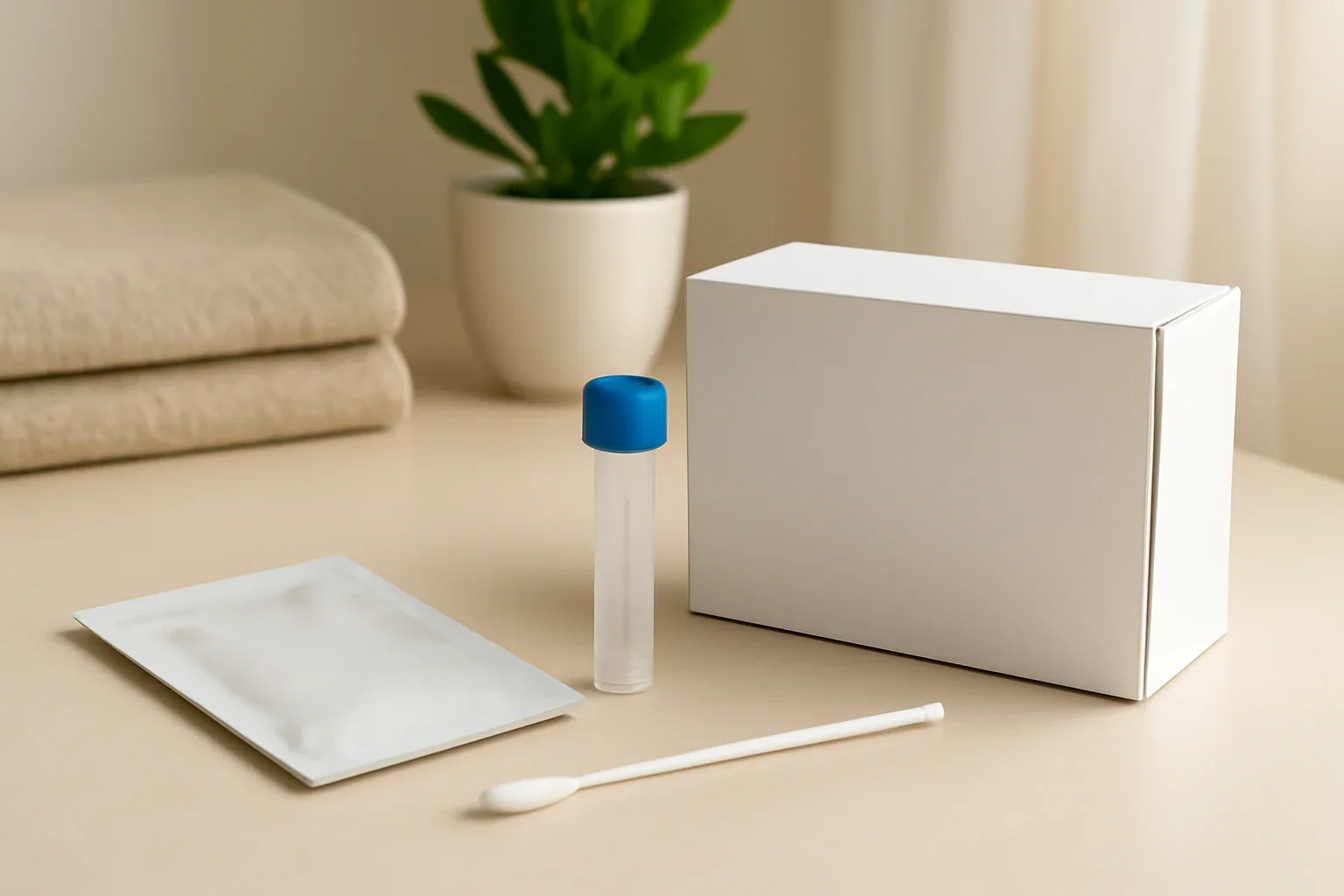
The microbiome includes bacteria and other microbes in and on the body. The gut contains many kinds of microbes.
Large studies show wide differences in the gut microbes of healthy people.
The gut, skin, mouth, and other body sites have different groups of microbes.
Research still studies how gut microbes relate to diet, immunity, disease, medicines, and daily exposures.
NIH-funded research found large differences in gut microbes among healthy people. This makes simple "good" or "bad" labels weak on their own.
Sources: Human Microbiome Project Consortium · NIEHS — Microbiome
The current site clearly explains the home-test process and the basic use of the report. There is no need to add lab or method claims that are not proven.
The test uses a stool sample collected at home with the kit materials.
The lab estimate is 15–20 working days after a valid sample is received. Shipping time is separate.
The report may include bacteria groups, relative abundance, the overall mix, variety, and notes.
See how the microbiome test works for the full order-to-report process.
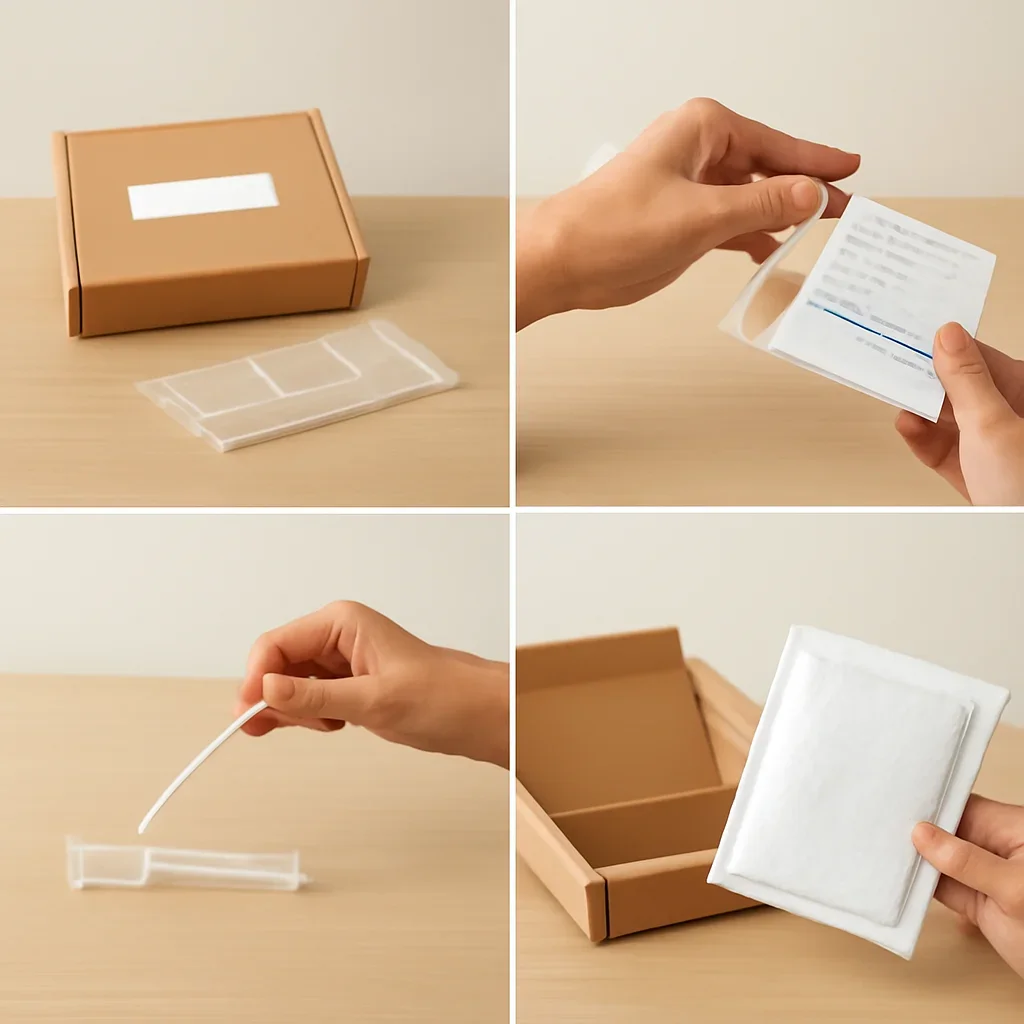
A science page should not fill gaps with guesses. Current public pages do not clearly show some test and lab details.
| Claim area | Current status | How this page handles it |
|---|---|---|
| Specific sequencing method | Not clearly shown for the current test. | No claim of 16S, shotgun, RNA, or another named method. |
| Organism resolution | No verified promise for species, strain, or organism count was found. | No fixed resolution or organism count is stated. |
| CLIA or CAP status | No current site-wide claim is supported by the pages reviewed. | No lab status is claimed without current proof for the exact scope. |
| FDA approval or clearance | No such claim is made here. | The service is described for information and general wellness only. |
| Clinical utility | Not established here for diagnosis or treatment. | No claim that the report should guide medical care. |
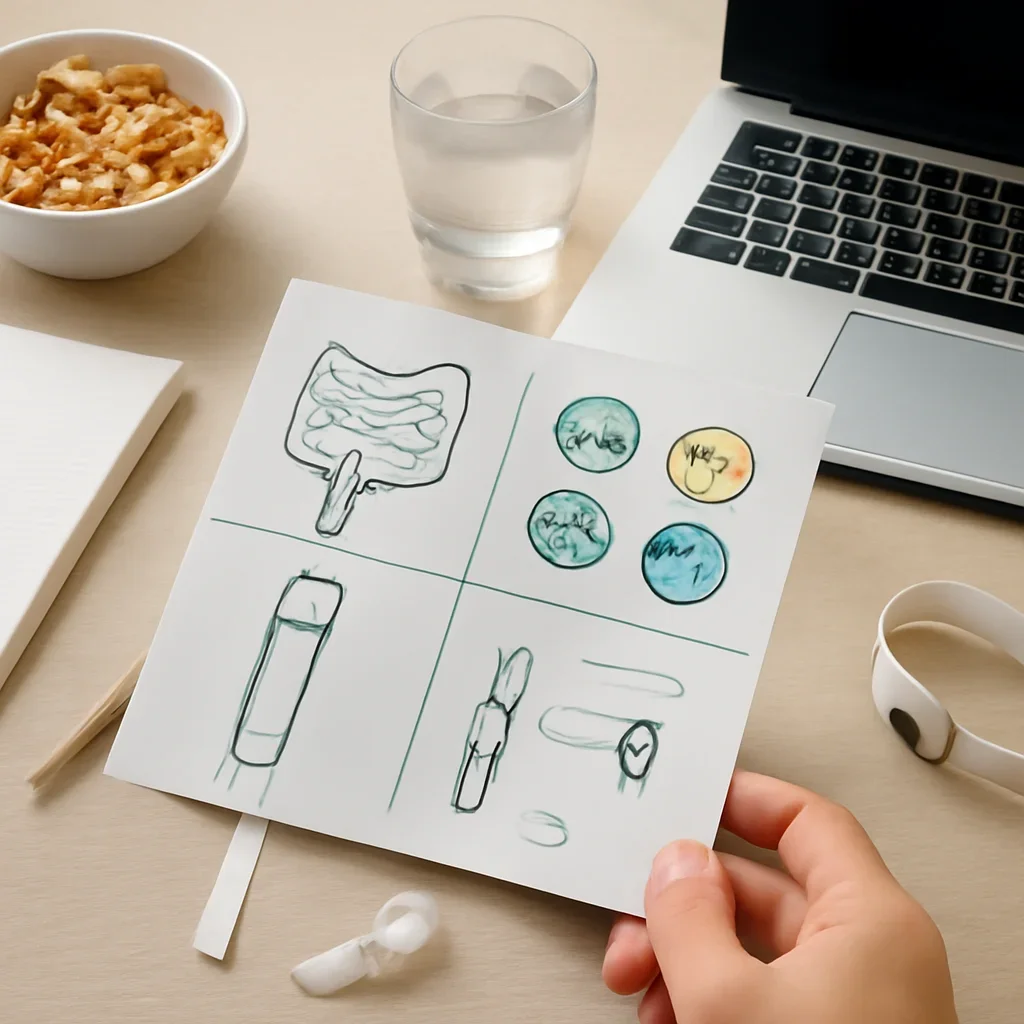
MicrobiomeTest.us says outside labs and other providers may be used. A lab claim should match the exact lab, test, method, and scope.
A site-wide badge is not enough proof for one lab claim. New proof should name the lab, current status, scope, and the test it covers.
The site's medical disclaimer says a lab standard only applies to the lab, test, method, and scope for which it is current.
The FDA says consumer tests can have different levels of support. People should know the limits. Results should not be the only basis for medical choices.
Source: FDA — Direct-to-Consumer Tests
Separate a general research statement from a claim about this test.
Look for current research, public lab proof, or official health guidance.
A group study does not prove what one person's result means.
Used for test limits. It also supports not using results alone for medical choices.
Review FDA guidanceUsed to show that healthy people can have very different gut microbes.
Review the HMP studyUsed for the basic microbiome definition and its role in health studies.
Review NIEHS microbiome overviewUsed for service limits, outside lab language, and the rule that lab claims must match the exact scope.
Review the medical disclaimerUse the sample page to view a sample microbiome report before ordering.
Use the results guide to understand your microbiome results and their limits.
Check the microbiome test cost before checkout.
Direct answers about microbiome research, test methods, laboratory claims, and evidence limits.
It studies groups of microbes and how they vary. It also studies links with diet, daily life, and health.
No. Research is still active. Many findings need context. Healthy people can have very different gut microbes.
Current public pages do not clearly show a named sequencing method for the test. This page does not guess.
No. Lab status is not claimed without current proof for the exact lab, test, method, and scope.
No. The service is for information and general wellness. It does not diagnose or treat disease.
Use it to separate research from test claims. Then review the process, report, results guide, and price.
Review what the service documents. Check what outside research supports. Note which claims still need proof.
This page explains evidence and limits. It does not replace medical advice. It does not add claims without proof.