Bacteria Found in the Sample
The report may list bacterial groups found in the stool sample. The exact report can change over time.

A gut bacteria test looks at bacteria in a stool sample. The results are shown as part of a wider microbiome report. The report is not a simple list of “good” or “bad” bacteria.
The report may show the types of bacteria found in the sample. It may also show relative abundance and other microbiome details. The exact report can change over time.
The test is for information and general wellness. It does not diagnose infection, digestive disease, or the cause of symptoms.
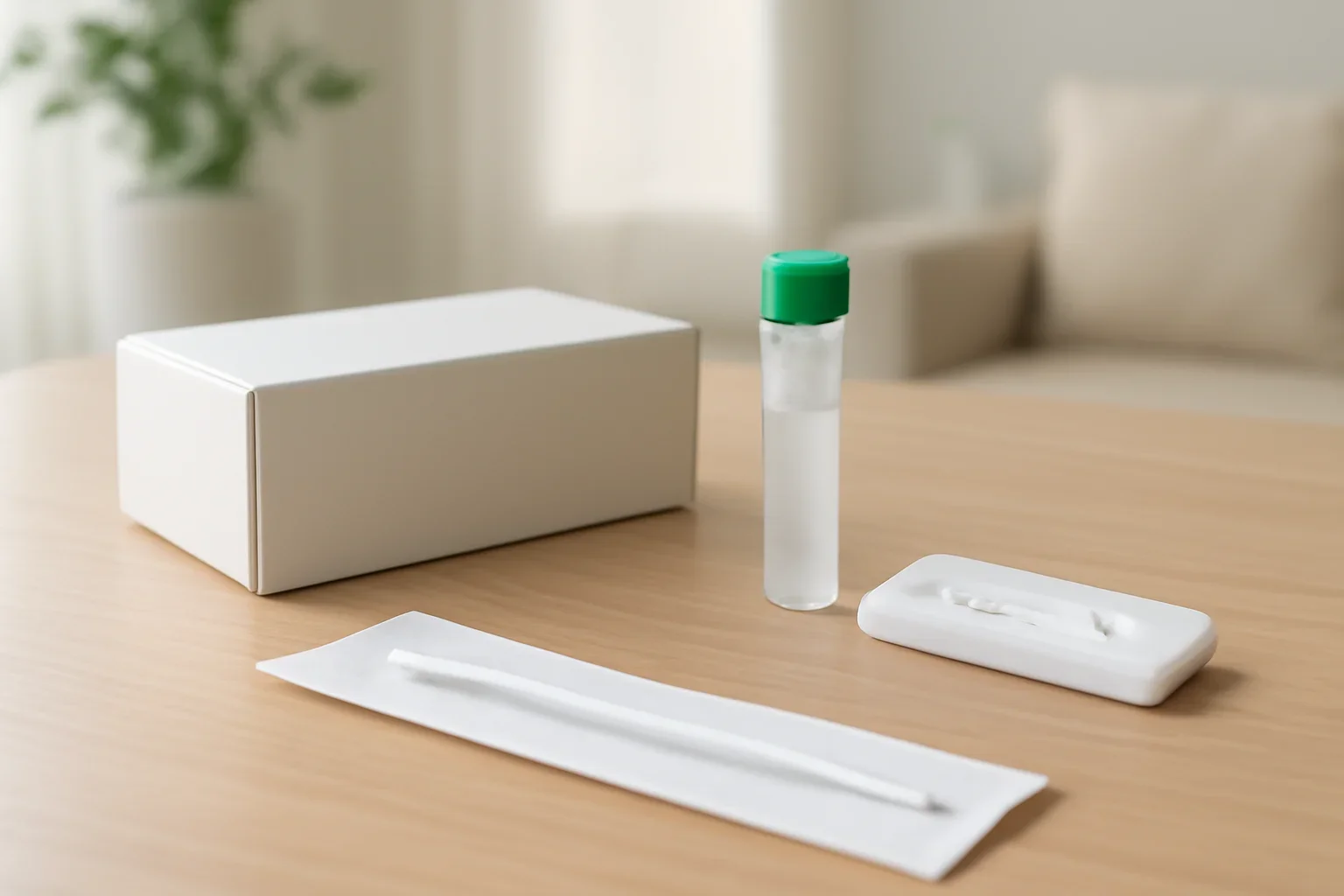
Gut bacteria are one part of the microbiome. The report does more than name bacteria. It also shows how the findings fit together in the sample.
The report may list bacterial groups found in the stool sample. The exact report can change over time.
Relative abundance shows how much of one bacterial group is present compared with other groups in the same sample.
Read bacteria with the rest of the report. One group alone does not prove health or disease.
The gut microbiome contains many kinds of microbes. Scientists are still studying how they relate to health. One reported bacterium should not be read on its own.
Look at the full report, not one result. Check relative abundance, composition, diversity, and the notes included in the current report.
For a broader view of the service, see the gut microbiome test page.

| Report term | Plain-language meaning | How to use it |
|---|---|---|
| Bacteria identified | Bacterial groups found in the stool sample. | Read the list as one part of the wider report. |
| Relative abundance | How much of one group is present compared with others in the sample. | Use it as context, not as a diagnosis. |
| Composition | The mix of microbes found in the sample. | Review it with the rest of the report. |
| Diversity | A measure of how varied the reported microbes are, when included. | One diversity value does not prove good or poor health. |
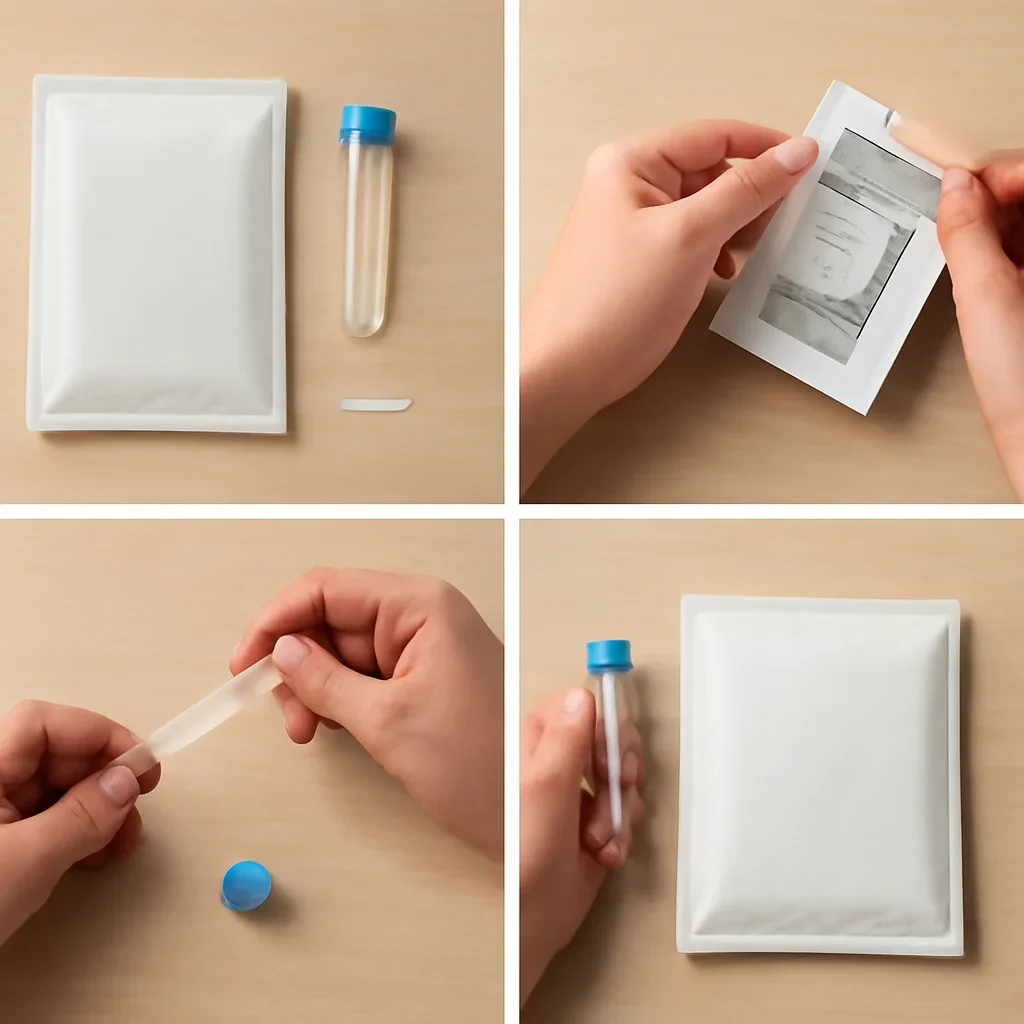
The test uses a stool sample collected at home. You receive the kit, collect the sample, and return it as directed. Lab processing starts after the sample is received.
See how the microbiome test works for the full order, collection, return, and report steps.
When your report is ready, use understand your microbiome results to help read the findings and limits.
Health context: the U.S. Food and Drug Administration says direct-to-consumer tests can differ in the evidence behind their claims. The FDA also says results should not be the only basis for medical choices. NIH describes the microbiome as a group of microbes that live in places such as the gut.
Sources: FDA — Direct-to-Consumer Tests · NIH/NIGMS — What Is the Microbiome?
Check the current report before ordering. Make sure the bacteria and microbiome details match what you want to review.
The current estimate is 15–20 working days after an eligible sample is received. Shipping time is separate.
Price, shipping, and order terms may change. See the microbiome test cost page for current price details.
Simple answers about bacteria, report terms, test limits, and timing.
It looks at bacteria in a stool sample. The findings are shown in a wider microbiome report.
Not in a simple good-versus-bad way. Bacteria should be read in context with the rest of the report.
It shows how much of one bacterial group is present compared with other groups in the same sample.
No. The test is for information and general wellness. It does not diagnose, treat, cure, prevent, or rule out disease.
The current estimate is 15–20 working days after an eligible sample is received. Shipping time is separate.
Check the kit, collection steps, shipping, report preview, processing time, privacy information, price, and test limits.
Review the sample report, process, price, and test limits. Make sure you want microbiome information, not a medical diagnosis.
This test does not replace medical testing or professional care.
