Stool-Based Wellness Report
A microbiome test looks at gut-microbe patterns in stool. It may report bacteria, abundance, microbial mix, variety, and food or lifestyle notes.

A microbiome test and a food sensitivity test answer different questions.
A microbiome test gives wellness information about gut microbes from stool. Many food sensitivity panels use blood IgG. Major allergy groups do not recommend IgG to diagnose food allergy or intolerance.
If a food seems to cause symptoms, the next step depends on the reaction. A gut wellness report cannot diagnose food allergy or intolerance.

A microbiome test looks at gut-microbe patterns in stool. It may report bacteria, abundance, microbial mix, variety, and food or lifestyle notes.
Many at-home panels measure IgG to many foods. AAAAI and ACAAI advise against food IgG for food allergy or intolerance.
Food allergy, lactose intolerance, celiac disease, and other food problems need different test paths. There is no single test for every food reaction.
| Question | MicrobiomeTest.us Gut Microbiome Test | Commercial IgG Food Sensitivity Panel | Evidence-Based Food Evaluation |
|---|---|---|---|
| Main goal | General gut and wellness information. | Often sold as a way to find foods that may cause symptoms. | Check a specific allergy, intolerance, or food problem when needed. |
| Common sample | At-home stool sample. | Often blood or a finger-prick sample for IgG. | Depends on the question: history, skin testing, IgE blood testing, breath testing, or another test. |
| What the result means | A wellness snapshot of gut patterns. | IgG often shows food exposure. It does not prove allergy or intolerance. | Meaning depends on the test and medical history. |
| Can it diagnose food allergy? | No. | No. AAAAI and ACAAI advise against IgG testing for this use. | Allergy care may use history, skin tests, IgE blood tests, and a supervised food challenge. |
| Can it diagnose food intolerance? | No. | IgG panels are not recommended to diagnose intolerance. | Some intolerances have their own tests. A hydrogen breath test can help check lactose intolerance. |
| Current price visibility | $180 USD listed for the Gut Microbiome Test. | Varies by brand and panel. There is no single set price. | Depends on the test, provider, lab, and payment route. |
This table compares test purpose and evidence. Not every food sensitivity product uses the same method.
AAAAI says food IgG has not been proven to diagnose food sensitivity, intolerance, or allergy.
IgG can be a normal response to eating a food. Higher IgG levels may even be linked with tolerance.
ACAAI warns that at-home IgG panels may lead people to remove foods without a true allergy.
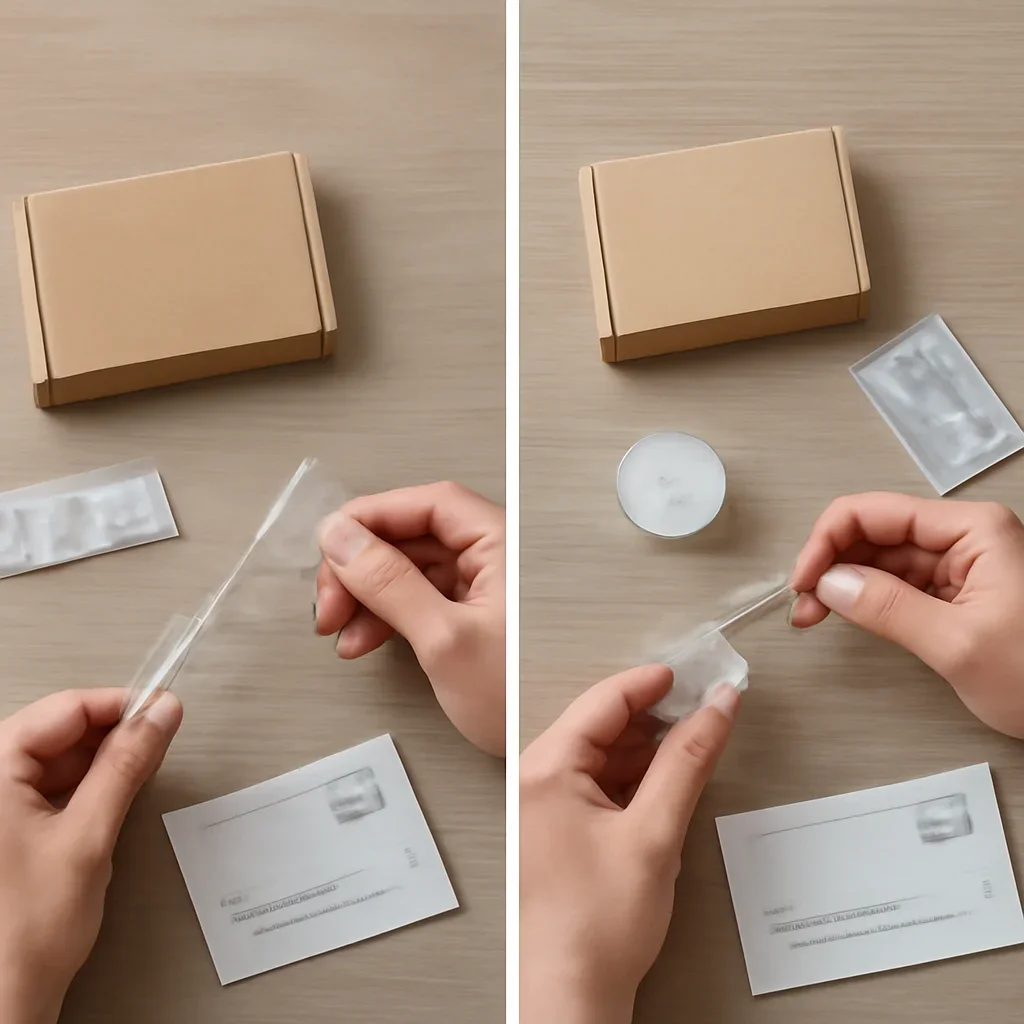
A true food allergy can cause hives, swelling, vomiting, breathing problems, or other reactions. An allergist may use history, skin tests, IgE blood tests, and a food challenge when needed.
Lactose intolerance can cause gas, bloating, pain, or diarrhea after dairy. NIDDK says doctors may use a hydrogen breath test to help check lactose intolerance.
If you want a wellness view of gut microbes, a microbiome test may fit the goal.
When many foods seem to cause symptoms, food sensitivity may not be the cause. Medical history can help show whether allergy, intolerance, celiac disease, IBS, or another issue needs review.

MicrobiomeTest.us lists its Gut Microbiome Test at $180 USD. It uses home stool collection.
The report may include bacteria, abundance, microbial mix, diversity, and food or diet notes.
Lab work is estimated at 15–20 working days after a valid sample reaches the lab. Shipping and return time are separate.
That report cannot prove that a food causes allergy, intolerance, IBS, IBD, infection, or disease.
Current Gut Microbiome Test price: $180 USD. Use it for gut-wellness information, not to decide which foods must be removed.
Prices vary. Before buying, ask whether the test has a proven role for the food problem you want to check.
Cost varies by provider, test, lab, and insurance. Medical testing is chosen for the problem instead of using one panel for every symptom.
Review the current microbiome test cost before you compare consumer test totals.
Food IgG panels measure IgG in blood. Microbiome tests study microbes in a sample. These are different questions.
MicrobiomeTest.us does not clearly name its current test method on the public pages reviewed. This page does not claim 16S, shotgun, RNA, or another method.
If test technology matters to you, review the sequencing technology comparison.
Choose a microbiome test for general gut wellness. Do not expect it to diagnose a reaction to one food.
Use care with IgG food sensitivity panels. Major allergy groups do not recommend them to diagnose food allergy or intolerance.
If a food causes a clear reaction, use the medical path that fits the problem. That may include allergy testing, a breath test, diet review, or another test.
If you only want to compare microbiome kits, see the best microbiome test guide.
Used for guidance that food IgG is not recommended for food allergy or intolerance.
Review AAAAI guidanceUsed for guidance on at-home panels, IgG limits, and food allergy testing.
Review ACAAI guidanceUsed for hydrogen breath testing in lactose intolerance.
Review NIDDK guidanceAnswers about IgG panels, food allergy, lactose intolerance, microbiome reports, price, and choosing a test.
A microbiome test gives wellness information about gut microbes. Many food sensitivity panels use blood IgG. Major allergy groups do not recommend IgG to diagnose allergy or intolerance.
No. A microbiome report may include food or diet notes, but it does not diagnose food allergy or intolerance.
AAAAI and ACAAI advise against food IgG for food allergy or intolerance.
Testing starts with medical history. An allergist may use skin tests, IgE blood tests, and a supervised food challenge when needed.
NIDDK says doctors may use a hydrogen breath test to help check lactose intolerance.
A microbiome test may fit for general gut wellness. A food reaction needs a test path matched to the problem.
Use a microbiome test for general gut wellness. Use allergy or intolerance testing for a specific food reaction.
This page is educational. It does not diagnose food allergy, intolerance, IBS, IBD, or another condition.