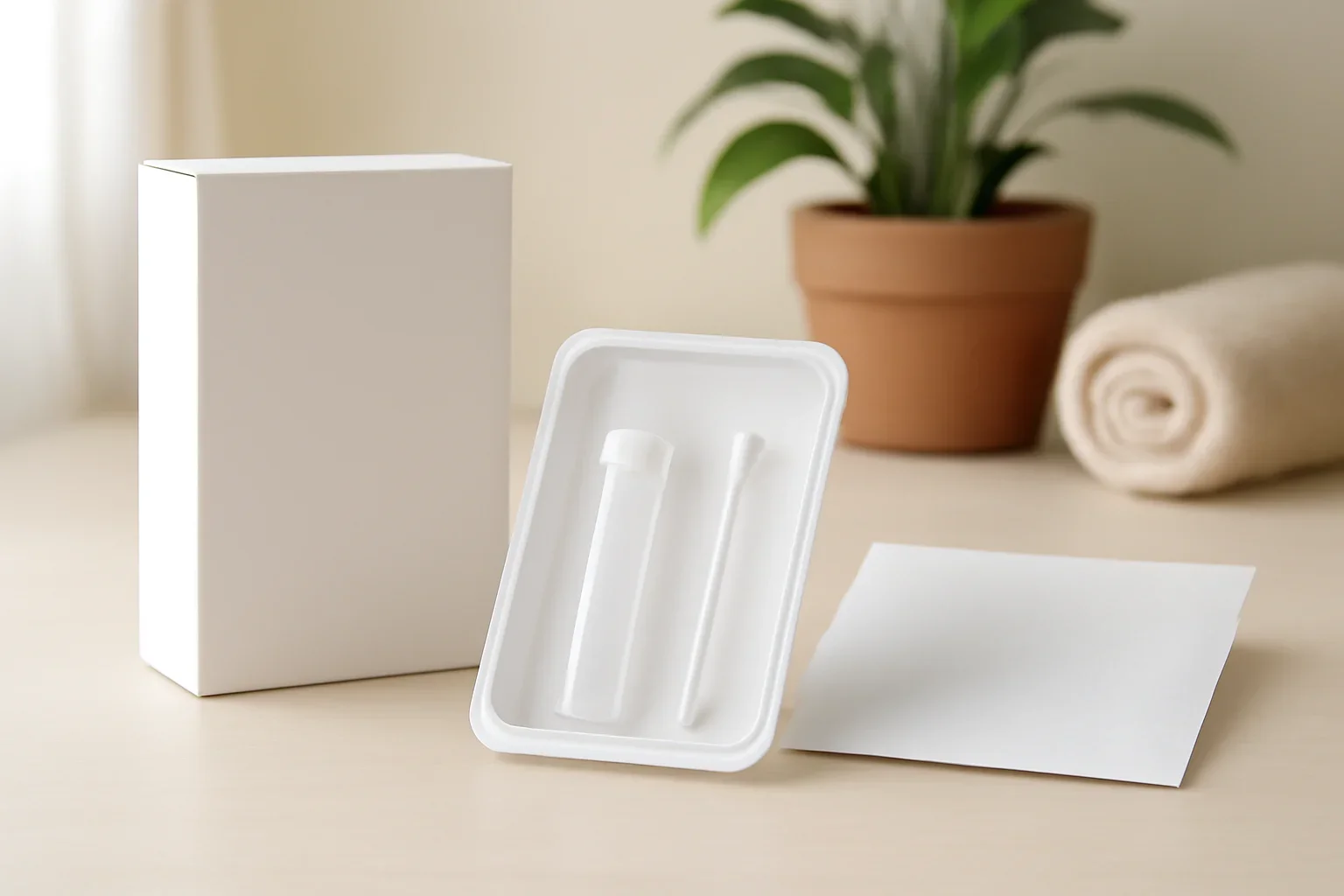
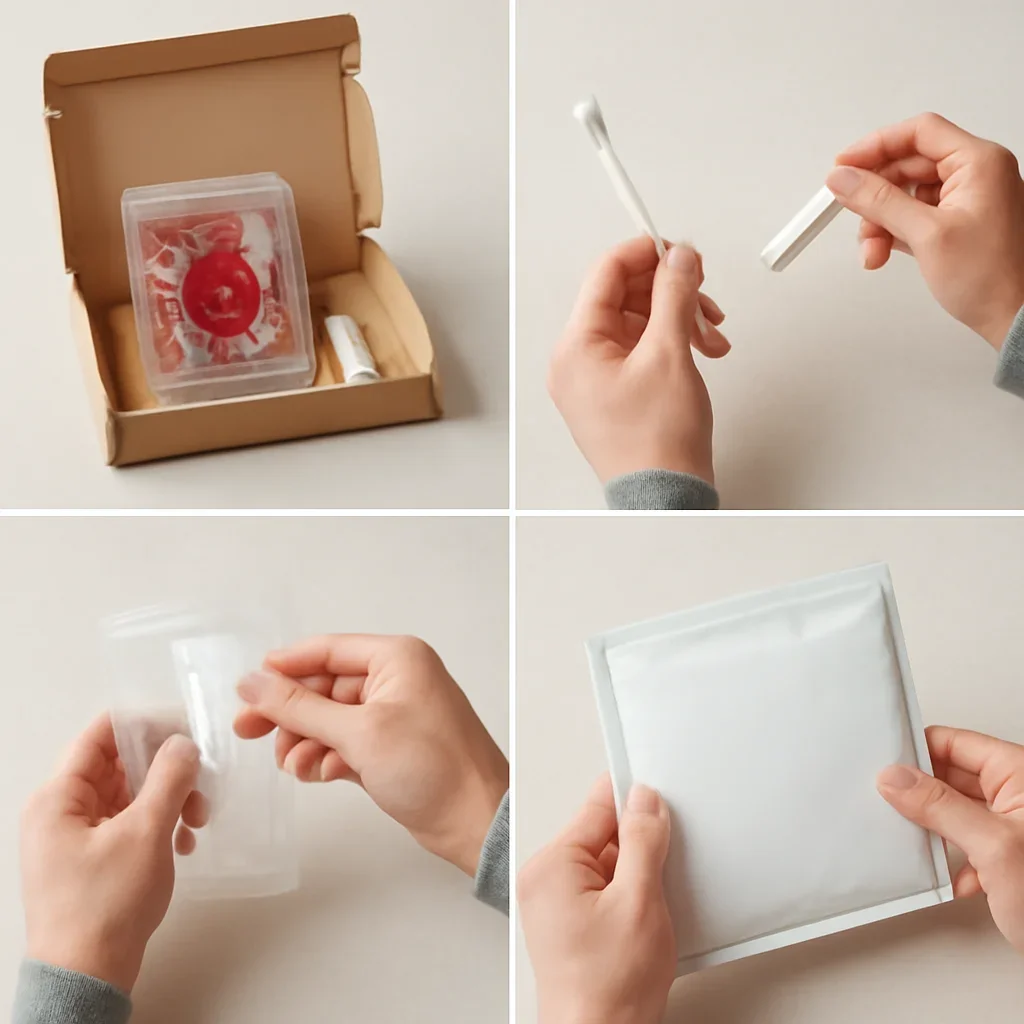
Microbiome sequencing methods

16S vs Shotgun vs RNA Microbiome Testing: Key Differences

16S, shotgun, and RNA testing look at the microbiome in different ways. The right method depends on your goal. You may want a bacteria profile, broader DNA data, or gene activity.

16S targets one marker gene in bacterial and archaeal DNA. Shotgun reads DNA across the sample. RNA testing looks at RNA messages and can show which genes were active at collection.

More data does not always mean a better test. Sample quality, read depth, databases, software, report design, and your question all matter.

Author: [Insert author] Reviewed by: [Insert qualified reviewer] Last reviewed: September 16, 2026
16S vs shotgun vs RNA microbiome testing comparison
Start with what is measured

Three Methods, Three Different Views

16S rRNA gene

Targeted DNA Marker

16S reads a marker gene from bacterial and archaeal DNA. It is often used to compare community mix and relative amount.

Short-read 16S often stops at genus level or above. Species results can change with the target region, read length, database, and software.

Shotgun metagenomics

Broad DNA Sequencing

Shotgun reads DNA across the sample instead of one marker gene. It can find bacteria, archaea, fungi, and DNA viruses. Results still depend on sample and data quality.

It can also show gene content. In many cases, it can give finer species or strain detail.

RNA / metatranscriptomics

Gene-Expression Snapshot

RNA testing reads RNA after it is changed to cDNA. It can show which microbial genes were active at sampling.

RNA is more fragile than DNA. This makes collection, storage, and analysis harder.

Terminology note: “16S rRNA sequencing” usually means reading the 16S rRNA gene in DNA. It is not the same as RNA testing.
Decision matrix

16S vs Shotgun vs RNA: Main Tradeoffs

Factor 16S rRNA Gene Shotgun Metagenomics RNA / Metatranscriptomics
Primary material One marker gene in DNA DNA across the sample RNA changed to cDNA
Main question Which bacteria or archaea are present? Which microbes and genes are present? Which genes are active at sampling?
Taxonomic breadth Mainly bacteria and archaea Broader DNA coverage, including fungi and DNA viruses when found Broad RNA coverage and RNA-virus detection when found
Typical resolution Often genus level or above with short reads; species detail varies Often species level and sometimes strain level when data support it Can give fine detail, but only for RNA that is present
Functional information Limited direct function; function is often predicted Gene content and possible function Gene activity at sampling
Relative cost and data burden Usually lower Usually higher than 16S Usually higher and more complex than 16S
Key limitation Primer, target region, database, and detail limits Depth, host DNA, database, and software demands RNA stability, sample handling, and hard analysis

These are broad method patterns. A real test can work better or worse based on lab steps, read depth, quality checks, databases, and report rules.

16S strengths and limits

16S Is a Focused Community Method

16S targets a marker gene in bacteria and archaea. It reads only a small part of microbial DNA. That can make it useful for broad community comparisons.

The tradeoff is detail. Short 16S regions may not separate close species or strains. Results can also change with the primer, target region, database, and software settings.

16S does not directly measure gene activity. Any function estimate from 16S is a prediction. It is not a direct measure of what the microbes were doing.

16S rRNA gene shotgun metagenomic and RNA microbiome testing workflows
Shotgun strengths and limits

Shotgun Reads More DNA but Needs More Analysis

Shotgun reads DNA across the microbial community. This gives wider coverage than one marker gene and can show microbial genes in the sample.

Shotgun can often support species-level detail. It can sometimes support strain-level detail. Results depend on read depth, genome similarity, sample mix, read quality, and databases.

Shotgun shows genetic potential. Finding a gene does not prove it was active. It also does not prove that a protein or health effect followed.

RNA metatranscriptomic microbiome testing compared with DNA-based sequencing
RNA strengths and limits

RNA Adds Gene-Activity Data, Not the Full Picture

RNA testing measures RNA messages from the microbial community. This can help show which genes were active when the sample was collected.

It can add activity data that DNA alone cannot give. It can also detect RNA viruses when the workflow supports them.

RNA is short-lived and sensitive to handling. Gene activity can change with time, storage, diet, and other factors. RNA levels do not prove protein activity. They also do not prove disease or treatment response.

Who each method may suit

Match the Method to Your Question

16S May Fit When You Want

  • A focused survey of bacteria and archaea.
  • Relative amount and diversity comparisons.
  • Less data and analysis than broader methods.
  • A method where species or strain detail is not the main goal.

Shotgun May Fit When You Want

  • Wider microbe coverage from DNA.
  • More species detail when depth supports it.
  • Microbial gene content and possible function.
  • A method not limited to one marker gene.

RNA May Fit When You Want

  • Information about microbial gene activity.
  • A view of which genes were active at sampling.
  • RNA-virus detection when the workflow supports it.
  • Activity context beyond DNA alone.

These are method-fit points. They do not mean one technology is medically better.

Commercial test reality

Do Not Buy Based on the Method Name Alone

Two services can both say “16S” or “shotgun.” They may still use different read lengths, target regions, read depth, filters, databases, and report rules.

Before buying, check what the service reports. Look for a sample report and clear limits. Also check whether the method is named clearly.

Also compare shipping, timing, privacy, support, report format, and total microbiome test cost.

MicrobiomeTest.us method transparency

Do Not Assign an Unverified Method

The current MicrobiomeTest.us pages reviewed here do not clearly name 16S, shotgun, or RNA as the method used for the Gut Microbiome Test.

The service says the report may include bacteria in the sample. It may also include relative abundance, composition, diversity, and food or lifestyle notes.

Lab work is estimated at 15–20 working days after a valid sample reaches the lab. Shipping and return time are separate.

If you are comparing current products, review the best microbiome test guide instead of assuming which method this service uses.

Fair conclusion

There Is No Universal Winner

16S gives a focused view of bacteria and archaea. Shotgun adds wider DNA coverage and gene content. RNA adds a view of gene activity at sampling.

The best method depends on your question and sample. It also depends on needed detail, budget, and how the report will be used.

For consumer testing, method clarity matters. Report quality and limits matter too. More complex technology does not turn a wellness test into a diagnosis.

Sources checked

Sources Used for This Comparison

Human Microbiome NGS Review

Used to compare 16S, shotgun, and RNA by organism coverage, function, detail, and cost.

Review the NGS comparison

16S rRNA Gene Method Review

Used to show that common 16S workflows read the 16S rRNA gene in DNA and to explain marker-gene limits.

Review 16S terminology
16S vs shotgun vs RNA FAQ

Frequently Asked Questions

Answers about DNA vs RNA, species detail, function, cost, method choice, and method transparency.

What Is the Main Difference Between 16S, Shotgun, and RNA Microbiome Testing?

16S targets one marker gene in DNA. Shotgun reads DNA across the sample. RNA testing looks at RNA and can add gene-activity information.

Does 16S rRNA Sequencing Actually Sequence RNA?

Usually no. Common 16S workflows read the 16S rRNA gene from DNA. RNA testing is a different workflow.

Is Shotgun Metagenomics Always Better Than 16S?

No. Shotgun can provide more detail, but it often needs more data, analysis, and cost. The right choice depends on the goal.

Does RNA Sequencing Show Which Microbes Are Active?

It can show which genes were active at sampling. That does not prove protein activity, metabolite output, or a health effect.

Which Method Gives the Best Species or Strain Resolution?

Shotgun and RNA methods can give finer detail than short-read 16S. Results still depend on depth, sample quality, databases, and software.

Which Method Does MicrobiomeTest.us Use?

The current public pages reviewed here do not clearly name a 16S, shotgun, or RNA method for the Gut Microbiome Test. This page does not guess.

Match technology to purpose

Compare the Question Before the Technology

Start with what you want to learn. Then compare method, report depth, limits, timing, privacy, and total cost.

Sequencing data can support research and wellness reports. It does not diagnose, prevent, treat, or cure disease.

Choosing between 16S shotgun and RNA microbiome testing based on the testing goal