Microbiome and Constipation: Transit, Fiber, and Methane
Constipation and the gut microbiome can be linked. The link can go both ways. Gut microbes may affect bowel transit. Slow transit can also change the microbes found in stool.
This makes cause and effect hard to separate. Constipation also has many other causes. These include medicines, pelvic floor problems, low fiber, dehydration, and some health conditions.
Answer first: a different stool microbiome may be part of constipation. It may also be a result of constipation. A stool profile cannot find the cause by itself.
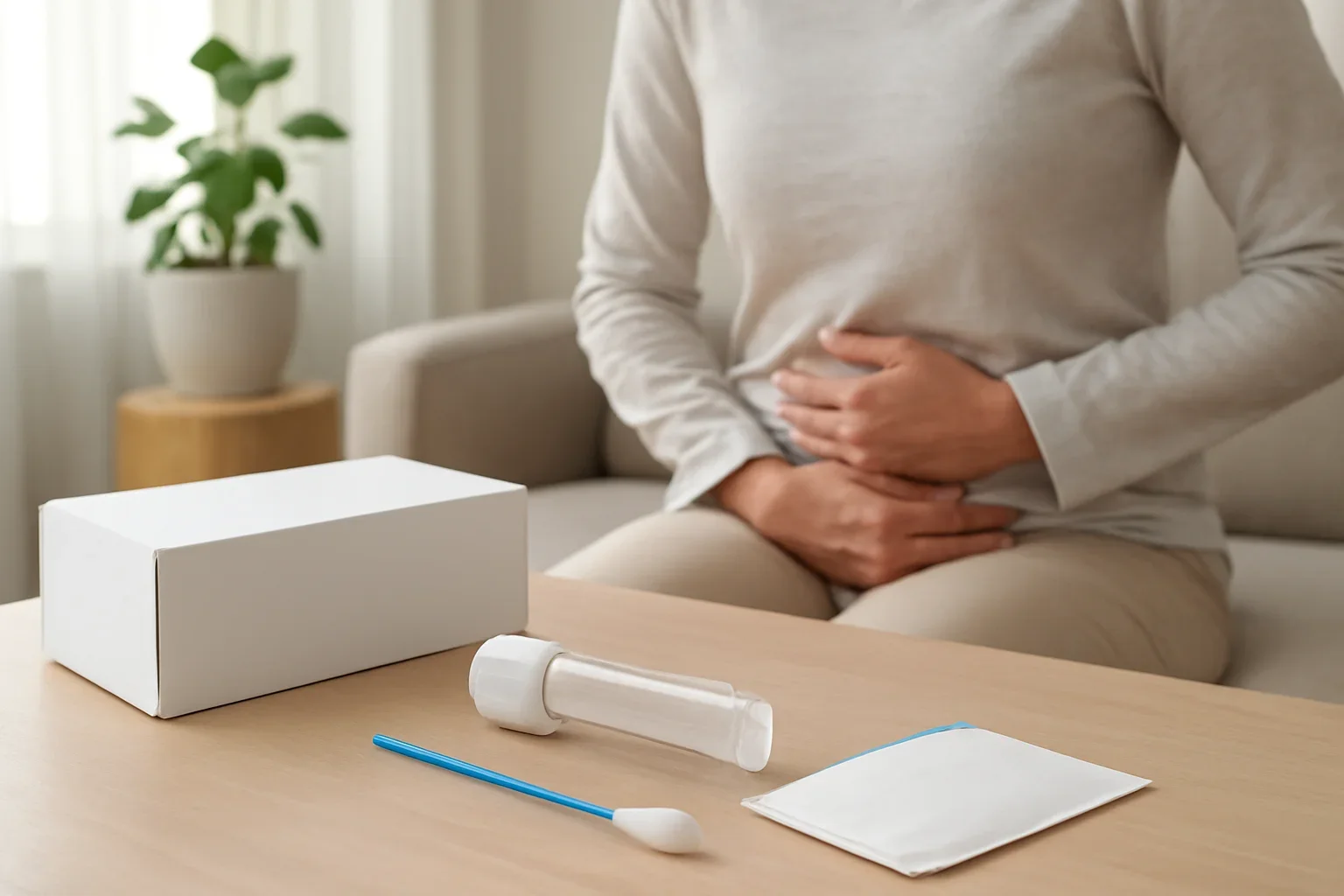
What Counts as Constipation?
NIDDK says constipation may mean fewer than three bowel movements a week. Stool may be hard or dry. It may also be hard or painful to pass. Some people feel that stool has not fully passed.
Bowel habits differ between people. You do not need a bowel movement every day to be healthy.
Stool Frequency
Bowel movements may happen less often than usual.
Stool Form
Stool may be hard, dry, or lumpy.
Difficulty Passing Stool
You may strain or have pain. You may also feel that stool has not fully passed.
How Are Gut Microbes and Bowel Transit Linked?
The time stool spends in the colon can shape the gut environment. Slow transit changes how long microbes interact with stool, water, and nutrients.
Research has found strong links between stool consistency and gut microbiome composition, richness, and bacterial growth rates.
This creates an important problem when interpreting constipation studies: a microbial difference may help affect transit, but slow transit may also create the microbial difference.

Stool Form Can Change Microbiome Results
A large human study found that stool form was strongly linked with microbiome richness and mix.
Harder stool and slower transit can change a stool microbiome profile. So transit must be considered before a microbe pattern is called the cause.
A microbiome linked with constipation is not always the cause of constipation.
Why Is Methane Linked With Constipation?
Methane is mainly made by gut microbes called methanogenic archaea. Archaea are not bacteria.
Human studies have linked higher breath methane with slower colon transit.
One adult study found methane-producing microbes more often in slow-transit constipation than in normal-transit constipation.
A 2026 study also linked a high breath-methane pattern with slow transit. Methane still does not explain every case of constipation.
Breath methane and stool microbiome tests are different. A stool profile alone cannot diagnose methane overgrowth or slow transit.
How Does Fiber Fit Into Constipation?
NIDDK recommends enough fiber and enough fluids for many adults with constipation.
Fiber can add bulk and help stool pass more easily. Some fiber also reaches the colon. Gut microbes can ferment it.
Fermentation can change microbial activity and gut compounds. Fiber type and amount matter. People can respond differently.
Increase Gradually
NIDDK advises adding fiber little by little.
Drink Enough Fluid
Fluids help fiber work and can make stool softer.
Expect Individual Differences
Fiber can affect stool and microbes differently in each person.
Do Not Assume More Is Always Better
Some people need a different care plan, especially when symptoms continue.
Constipation Has Many Possible Causes
| Possible Cause | How It Can Lead to Constipation | Why Stool Microbiome Testing Is Not Enough |
|---|---|---|
| Slow Colon Transit | Stool moves slowly through the colon. It can become harder to pass. | Transit needs bowel tests. A consumer microbiome profile cannot measure it. |
| Pelvic Floor Problems | Pelvic muscles may not relax or work together well. | These problems may need pelvic floor or rectal testing. |
| Medicines and Supplements | Opioids, iron, some antacids, and other medicines can slow bowel movement. | Medicine effects need a medication review. |
| Diet and Dehydration | Low fiber or too little fluid can make stool harder. | A stool profile cannot show the full diet or fluid intake. |
| Medical Conditions | Diabetes, low thyroid function, celiac disease, nerve disease, blockage, and other problems can contribute. | These conditions need medical review and the right tests. |
What Can a Stool Microbiome Test Show?
A stool report may describe microbes found in the sample. It may also show abundance, diversity, or educational notes.
It does not measure colon transit, pelvic floor function, bowel muscles, thyroid function, hydration, or medicine effects.
Review the microbiome testing limitations before using a stool result to make a wellness decision.
Test Method Changes What You See
Microbiome results depend on the test method. Marker-gene, shotgun, RNA, and other methods show different things.
The microbiome sequencing technology guide explains how method can change detail and function data.
The microbiome glossary can help with terms such as abundance, richness, genus, species, strain, and archaea.
When Should Constipation Be Checked?
NIDDK advises medical review when constipation does not improve or lasts a long time.
Prompt care is important when constipation comes with rectal bleeding, blood in stool, constant belly pain, inability to pass gas, vomiting, fever, or weight loss.
A clinician may use your history and a physical exam. Blood, stool, transit, rectal, or imaging tests may also be needed.
Sources Used for This Article
NIDDK: Constipation Symptoms and Causes
Used for constipation signs, causes, warning signs, medicines, and health conditions.
Review NIDDK guidanceNIDDK: Constipation Diet and Nutrition
Used for fiber, fluids, and gradual diet changes.
Review NIDDK nutrition guidanceVandeputte et al., 2016
Human study showing that stool form is linked with microbiome richness and composition.
Review the stool-consistency studyAttaluri et al., 2010
Human study linking methane-producing microbes with colon transit in chronic constipation.
Review the methane study2026 Breath-Methane Transit Study
Recent adult study linking high breath methane with slow colon transit.
Review the recent studyWhere At-Home Testing Fits
An at-home stool test can give wellness information about stool microbes. It does not diagnose the cause of constipation.
If you are considering testing, review the current gut microbiome test page and read its stated scope before ordering.
Read microbiome test results in context. Do not treat one microbe or score as the cause of constipation.
Frequently Asked Questions
Clear answers about bowel transit, stool consistency, fiber, methane, and microbiome testing.
Can the Gut Microbiome Cause Constipation?
It may play a part in some people. But constipation has many causes. Slow transit can also change the stool microbiome.
Does Slow Bowel Transit Change the Microbiome?
Yes. Stool form and transit are linked with microbiome mix and richness.
Is Methane Linked With Constipation?
Breath methane is linked with slow transit in some studies. It is mainly made by methanogenic archaea.
Can Fiber Change the Gut Microbiome and Constipation?
Fiber can help stool and can feed gut microbes. The response varies by person and fiber type.
Does Constipation Always Mean Something Is Wrong With Gut Bacteria?
No. Medicines, pelvic floor problems, slow transit, diet, low fluids, and other problems can cause constipation.
Can a Microbiome Test Diagnose the Cause of Constipation?
No. A consumer stool test cannot diagnose the cause of constipation.
Constipation Is More Than a Microbiome Result
Gut microbes may be part of the picture. Transit, stool form, diet, fluids, medicines, pelvic floor function, and other factors also matter.
This article is educational. It does not diagnose, prevent, treat, or cure disease.