Fermented Foods and the Gut Microbiome comes up because people want to connect everyday food and lifestyle choices with what is happening in the gut. The useful version of that conversation is curious and specific, not exaggerated.
That means looking at fermented foods gut microbiome, its limits, and what a measured interpretation sounds like in plain language.
Use fermented foods gut microbiome as educational context for diet, routine, and gut-wellness questions, not as a diagnosis or treatment plan.
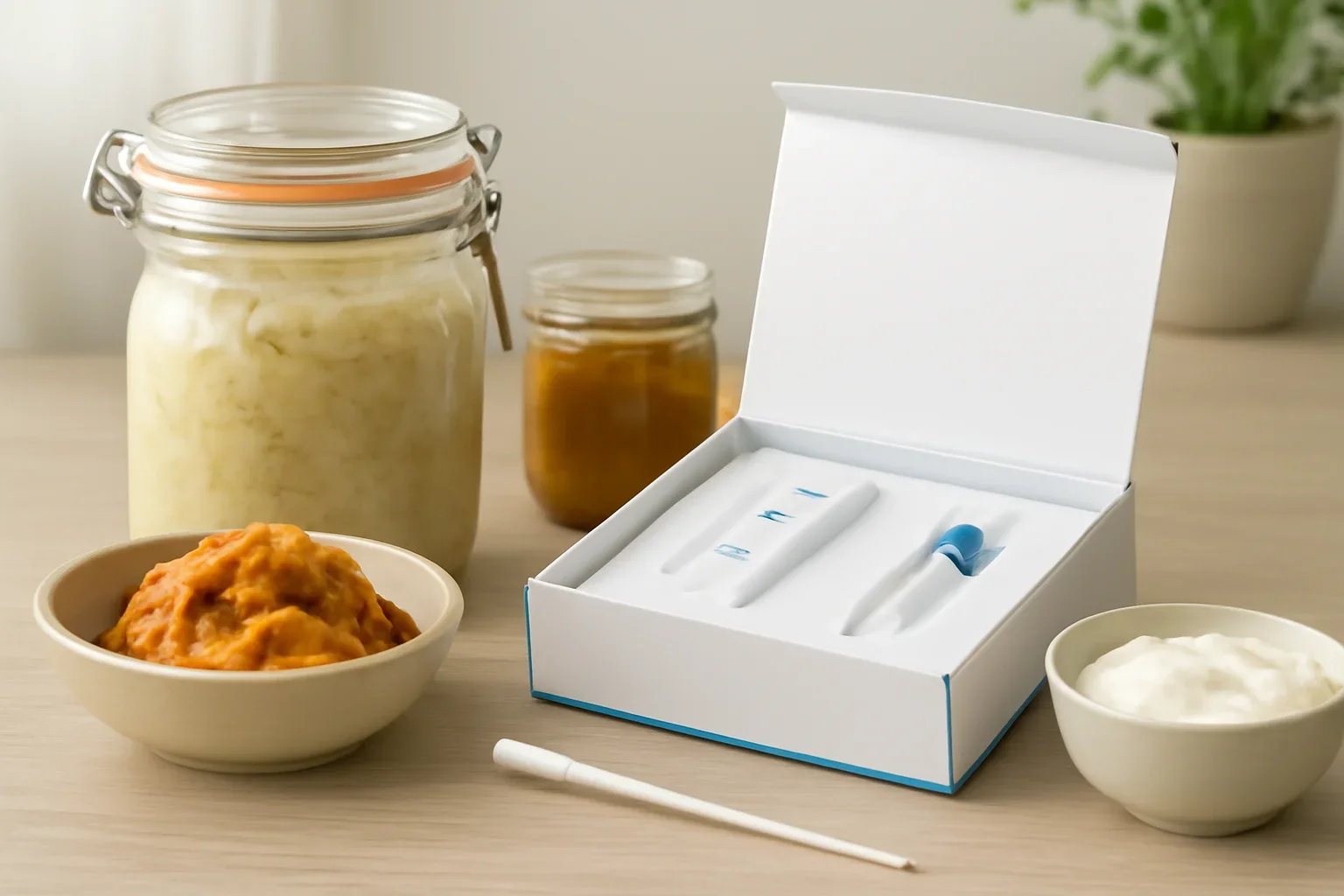
Questions about fermented foods gut microbiome usually come from people who want practical guidance without being told that one food or habit decides everything. A measured explanation acknowledges that the gut responds to patterns over time, not just one isolated choice. Many readers explore a gut microbiome test to better understand how their current diet and lifestyle relate to their gut ecosystem.
It also helps readers separate curiosity about fermented foods gut microbiome from certainty. That gap is where a lot of weak microbiome content loses trust. Learning more about fermented foods and gut health alongside the latest microbiome science can provide valuable context before making dietary changes.
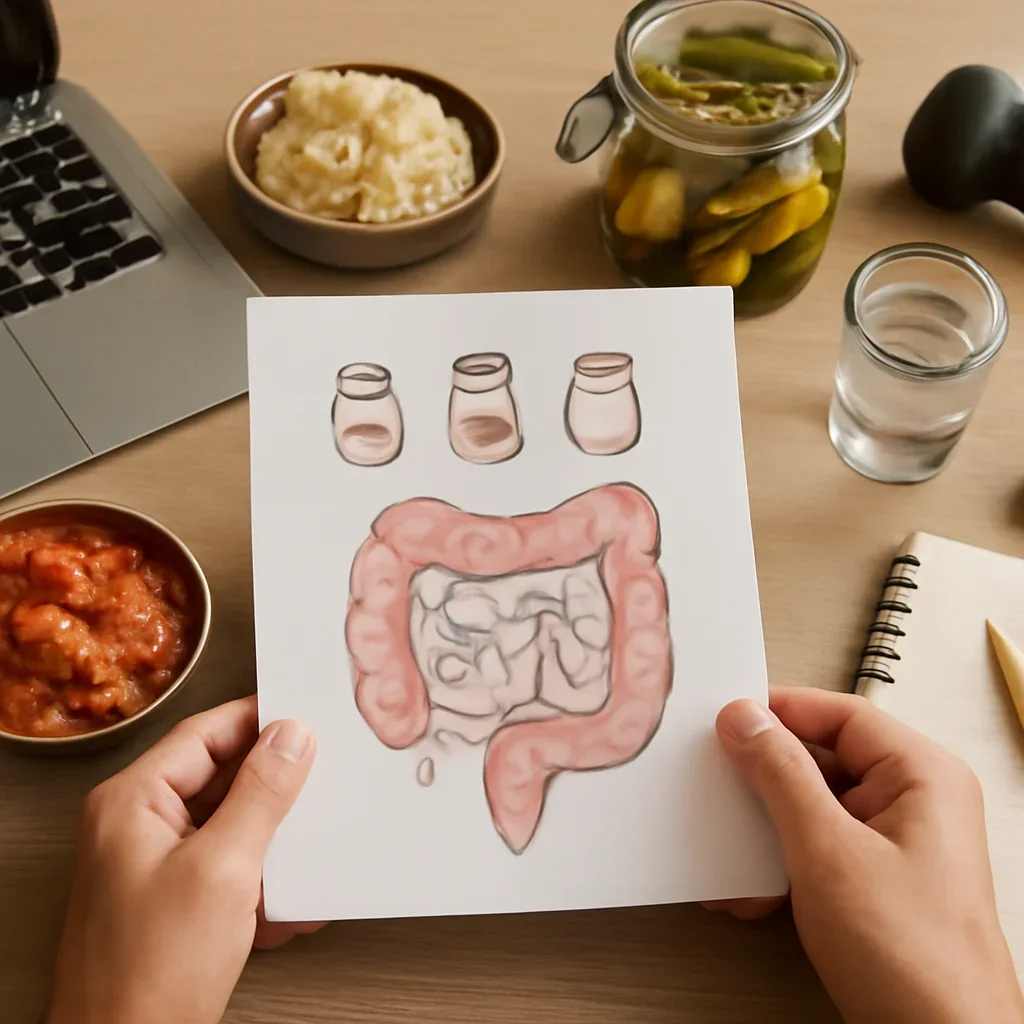
Good educational writing around fermented foods gut microbiome keeps the headline connected to the decision a reader is actually trying to make. That is what turns information into something usable. Reviewing a sample microbiome report can help show how dietary and lifestyle information fits within broader microbiome findings.
The result is better judgment around fermented foods gut microbiome. Instead of chasing one metric or one promise, the reader ends up with a more useful framework for comparing products, reading reports, or deciding what follow-up makes sense. Understanding microbiome test results can help place food-related discussions into a practical context.
Weak articles often lean on repeated sentence frames and broad claims. A stronger page about fermented foods gut microbiome stays specific enough to be useful and restrained enough to stay credible. Readers considering testing may also benefit from reviewing how microbiome testing works and comparing options through a best microbiome test guide before making a decision.
It can influence the discussion, although the effect of fermented foods gut microbiome depends on pattern, consistency, and what else is happening in daily life.
Usually not on the basis of one article alone. Fermented Foods and the Gut Microbiome should help you think more clearly, not force a rushed decision.
Because topics like fermented foods and the gut microbiome live inside bigger food and habit patterns. Absolutes sound strong, but they are usually less accurate.
Tell us whether your next question after fermented foods and the gut microbiome is about ordering, report interpretation, or comparison shopping. That makes the right follow-up page much easier to choose.
You can also review Gut Microbiome Test, Science, and Sample Report before you take the next step.