Learning how to test your gut microbiome at home starts with the practical questions: what the test is for, how the sample is collected, what the report may show, and where the limits are. A strong answer should help you understand the process before you decide whether a kit is the right next step.
An at-home microbiome test can make gut microbiome testing easier because the sample is collected privately at home. The important part is knowing what happens before, during, and after collection, not just reading a list of bacteria names later.
Microbiome testing can organize educational information about gut bacteria and related patterns, but it should not replace medical diagnosis, clinical lab work, or treatment advice.

The search for how to test gut microbiome at home is usually not just about the collection step. It often means someone is trying to decide whether to order a kit, how much confidence to place in the results, and what kind of report they may receive after the sample is processed.
That is why the best starting point is the complete testing path. If you want the broader overview first, review the main gut microbiome test page before comparing kit details or report examples.
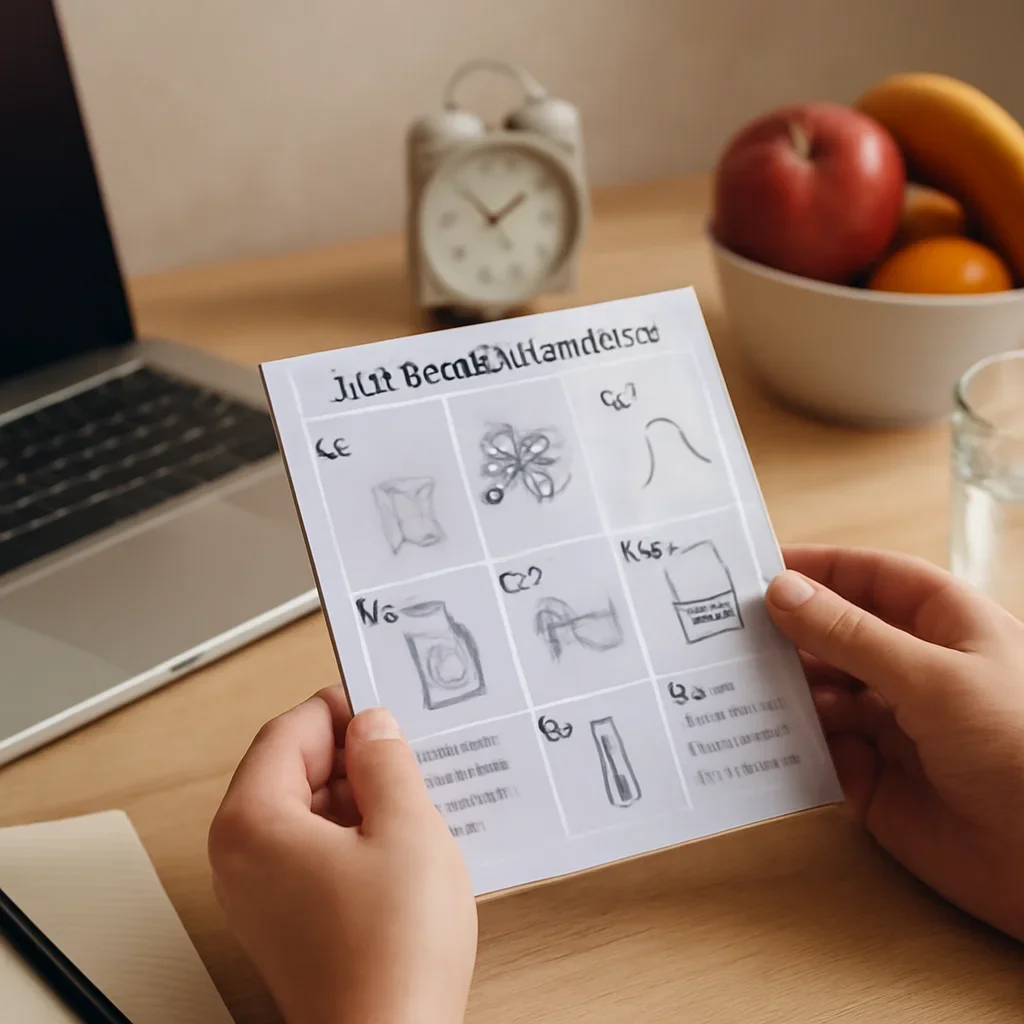
Before testing, it helps to understand what the kit is meant to include and how it fits into the full process. A clear kit page should explain the general collection materials, the sample process, and the next steps after the sample is prepared for return.
Start by reviewing the microbiome test kit page. This helps connect the article to a relevant commercial page and gives visitors a natural path from education to action without forcing the sale too early.
At-home gut microbiome testing usually depends on a stool sample. The exact instructions may vary by provider, but the goal is the same: collect the sample correctly, follow the handling steps, and return it as directed.
If you want to see the collection process before ordering, read how to collect a sample. This is one of the most important internal links for this article because it connects the blog topic to the next practical question a visitor will likely have.

After the sample is processed, the report may organize information about gut bacteria, general patterns, and educational context. A useful report should be easy to read, clearly explained, and careful about what it does not claim.
Before ordering, review a sample report so you can see what kind of information may be included. This helps visitors understand the output before they commit to the process.
Gut microbiome results can be interesting and useful for education, but they are not a final medical answer. One sample cannot explain every symptom, and bacteria names should not be treated as simple good-or-bad labels without proper context.
The results page is the best next step for understanding how report information should be reviewed. It supports this article by connecting the collection process to interpretation.
The most trustworthy explanation of how to test your gut microbiome at home does not rely on dramatic claims. It explains the process, names the limits, and gives visitors enough information to decide whether testing fits their goals.
Microbiome science is useful, but it is also complex. Diet, antibiotics, medication, recent illness, travel, lifestyle, and sample timing can all affect what appears in a report. If you want more background on the testing method and evidence, review the science page.
A common mistake is treating an at-home microbiome test as a complete health diagnosis. Another is expecting one sample to explain every digestive concern. A better approach is to use the report as educational information and to speak with a qualified healthcare professional for personal medical concerns.
It is also a mistake to compare test options by price only. Review the kit, sample process, report clarity, privacy details, shipping expectations, and how clearly the company explains the limits of the test.
You usually order a kit, collect a stool sample at home, return the sample as instructed, and review the educational report after processing. The exact steps can vary by provider.
No. At-home gut microbiome testing should be treated as educational wellness information. It does not replace a healthcare professional, clinical diagnosis, or medical treatment plan.
Check what the kit includes, how the sample is collected, how the report is explained, what privacy information is provided, and what limitations are clearly stated.
If you are ready to move from learning to action, visit the order kit page. If you still have questions, use this article as a checklist for reviewing the kit, collection process, report, and testing limits before you continue.
Use microbiome testing as an educational tool and speak with a qualified healthcare professional for personal medical concerns.