
Microbiome Test After Antibiotics: When to Test is easiest to understand when the practical questions come first: what the test is for, what it can and cannot do, and how the buying or result-reading process actually works.
This page breaks microbiome test after antibiotics into useful parts so you can judge fit, not just absorb jargon.
A report connected to microbiome test after antibiotics can organize information, but it should never stand in for clinical evaluation, lab work, or treatment advice.
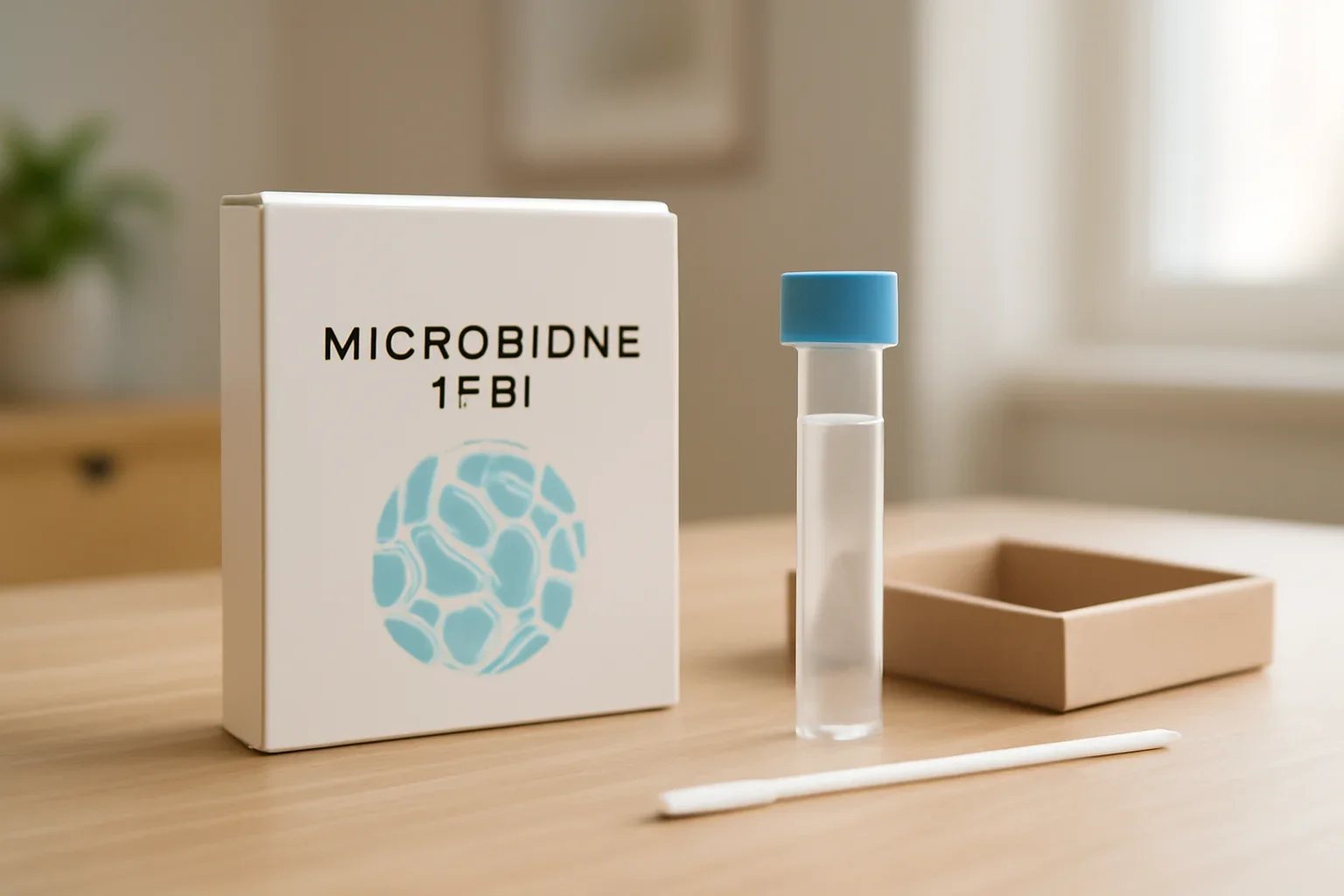
The search for microbiome test after antibiotics is rarely about a keyword by itself. It usually means someone is trying to decide whether to buy a gut microbiome test, when to test, or how much confidence to place in the result. That is why the best answer begins with process and limits rather than hype.
That responsible framing matters because pages about microbiome test after antibiotics should stay in a general-wellness and educational lane unless a regulated medical claim is clearly supported. Before testing, many readers review how the testing process works and learn more about how antibiotics can affect the gut microbiome before deciding when to collect a sample.

Readers usually need structure more than intensity when they are learning about microbiome test after antibiotics. Once the subject is broken into sensible parts, it becomes much easier to use. Reviewing the science behind microbiome testing can provide useful context about how gut bacteria are measured and why timing may influence results.
The result is better judgment around microbiome test after antibiotics. Instead of chasing one metric or one promise, the reader ends up with a more useful framework for comparing products, reading reports, or deciding what follow-up makes sense. Looking at a real sample report can help clarify what information is available after testing.
The most helpful ending for a page like Microbiome Test After Antibiotics: When to Test is not a generic nudge. It is a clearer sense of what you now understand and which related page should come next. Some readers want to learn more about interpreting their test results, while others prefer comparing options using a best microbiome test guide before ordering.
Think about microbiome test after antibiotics in terms of fit: who it is for, what happens after ordering, and how much weight the final report should carry.
No. Pages about microbiome test after antibiotics should explain testing or buying questions without turning the result into a diagnosis.
Use microbiome test after antibiotics: when to test as the overview, then open the page that handles shipping, report details, or ordering if you want the decision to feel more concrete.
Tell us whether your next question after microbiome test after antibiotics: when to test is about ordering, report interpretation, or comparison shopping. That makes the right follow-up page much easier to choose.
You can also review Gut Microbiome Test, Science, and Sample Report before you take the next step.
