
Biological data vs questionnaire

Microbiome Test vs Probiotic Quiz: Key Differences

A microbiome test and a probiotic quiz can both support gut wellness, but they use very different information.

A microbiome test uses a stool sample to create a wellness report, while a probiotic quiz uses your answers to suggest a product. A quiz does not directly measure your gut microbes.

Probiotic effects can depend on the strain and health goal. A quiz does not prove that one strain, dose, or product is right for you.

Author: [Insert author] Reviewed by: [Insert qualified reviewer] Last reviewed: September 16, 2026
Microbiome test vs probiotic quiz comparison for gut wellness
What each tool actually uses

One Uses a Stool Sample; the Other Uses Your Answers

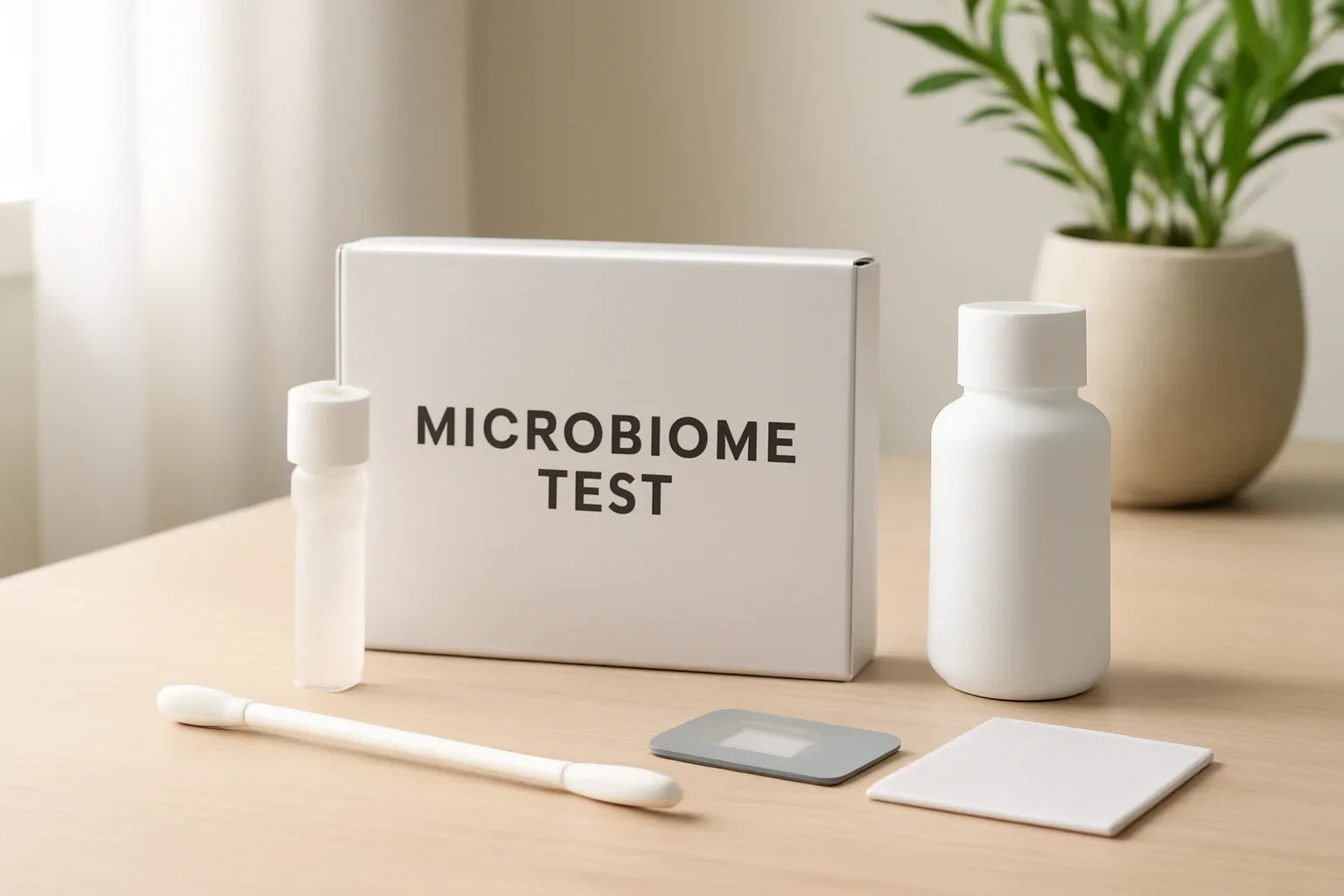
Microbiome test

Biological Sample and Lab Report

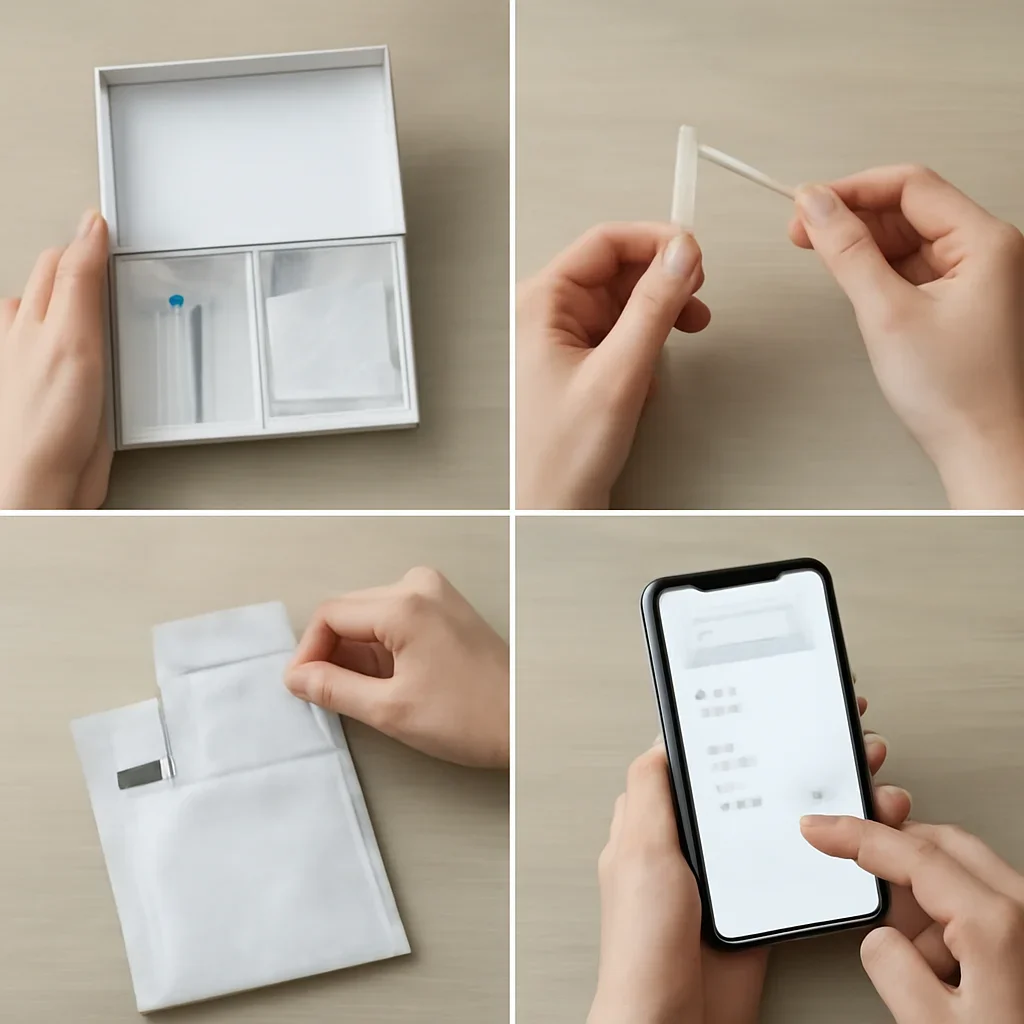
MicrobiomeTest.us uses an at-home stool sample. Its report may include bacteria groups, abundance, microbial mix, variety, and food or lifestyle notes.

The report is for general wellness and is not a diagnosis or a probiotic prescription.
Probiotic quiz

Questionnaire-Based Product Guidance

A probiotic quiz can use self-reported goals, habits, symptoms, or preferences to suggest a product.

If no biological sample is collected, the quiz does not measure gut bacteria, abundance, or microbiome diversity.

Transparent criteria

Microbiome Test vs Probiotic Quiz: Key Differences

Question MicrobiomeTest.us Gut Microbiome Test Probiotic Quiz
What information goes in? A stool sample collected at home. Answers entered into a questionnaire.
What does it directly measure? Gut-microbe data from the stool sample. No microbiome measurement unless a lab test is also used.
Main output A microbiome wellness report. A product or supplement suggestion, depending on the quiz.
Current listed cost $180 USD for the Gut Microbiome Test. Quiz cost varies. The suggested probiotic may cost extra.
Medical diagnosis? No. No.
Best use General wellness information from a stool sample. Quick product guidance based on your answers.

A quiz can help with shopping. It is not lab-based personalization unless lab data are used.

Why probiotic details matter

Probiotic Effects Depend on the Strain

Strain

NIH notes that probiotic effects can depend on the strain. Two strains may not have the same effect.

Dose

A higher CFU count is not always better. The useful dose depends on the strain, product, and goal.

Condition

Evidence varies by health condition. A probiotic studied for one use may not work for another.

Product Evidence

NIH notes that many commercial probiotic products have not been tested for their exact marketed use.

Practical point: A quiz can organize goals and preferences. It cannot replace evidence for the exact strain, dose, product, and use.
What the microbiome report adds

A Stool Test Gives Data a Quiz Cannot

A microbiome test uses a stool sample. The report can describe findings from that sample.

MicrobiomeTest.us may report bacteria groups, abundance, microbial mix, variety, and food or lifestyle notes.

Lab work is estimated at 15–20 working days after a valid sample reaches the lab. Shipping and return time are separate.

The report should not be treated as a prescription for a probiotic strain, dose, or treatment plan.

Comparing stool microbiome testing with a questionnaire-based probiotic quiz
Choosing between microbiome data and a probiotic product quiz
What the quiz adds

A Quiz Is Faster but Uses Self-Reported Data

A quiz can help you quickly narrow a large probiotic product range, especially when many formulas are available.

It may sort users by stated goals or preferences, but the result depends on the questions, your answers, and the products included in the quiz.

Without lab data, a probiotic quiz cannot show which microbes were in your stool sample.

U.S. supplement context

A Quiz Recommendation Is Not FDA Approval

Many probiotics are sold as dietary supplements. FDA does not approve dietary supplements for safety and effectiveness before sale.

Supplement companies remain responsible for product safety, lawful labeling, and truthful claims.

A quiz result is not FDA proof that a probiotic will help a symptom or condition.

Who each option may suit

Choose Based on the Information You Want

A Microbiome Test May Fit If You Want

  • Data from a stool sample.
  • A broad wellness view of gut microbes.
  • A report to review before choosing a probiotic.
  • A listed test price before checkout.

A Probiotic Quiz May Fit If You Want

  • A fast product-shopping tool.
  • A suggestion based on goals and your answers.
  • No stool collection or lab wait.
  • A simple way to narrow products before reading labels.

Neither option proves that a probiotic will prevent, treat, or cure disease.

Cost and timing

Compare Test Cost With Repeat Supplement Cost

MicrobiomeTest.us lists its Gut Microbiome Test at $180 USD. U.S. kit shipping is separate. Return postage is usually separate unless the order says otherwise.

A probiotic quiz may be free, but the suggested supplement may create a repeat purchase cost, and prices vary by brand.

Review the current microbiome test cost before comparing totals.

Technology and limits

A Quiz Is Not a Sequencing Method

A probiotic quiz is a decision tool, and asking about gut symptoms does not make it a biological microbiome test.

MicrobiomeTest.us does not clearly name its current test method on the public pages reviewed. This page does not claim 16S, shotgun, RNA, or another method.

If test technology matters to you, review the sequencing technology comparison.

Fair conclusion

Choose Between Stool Data and a Product Suggestion

Choose a microbiome test when you want stool-sample data. Choose a probiotic quiz when you only want shopping guidance.

If you choose a probiotic, look beyond the quiz score. Check the strain, dose, label, intended use, and product evidence.

If you only want to compare current microbiome kits, see the best microbiome test guide.

Sources checked

Sources Used for This Comparison

NIH Office of Dietary Supplements

Used for probiotic strains, CFU limits, product evidence, and selection guidance.

Review NIH probiotic guidance
Microbiome test vs probiotic quiz FAQ

Frequently Asked Questions

Answers about stool tests, probiotic quizzes, strains, CFUs, FDA rules, cost, and gut wellness.

What Is the Main Difference Between a Microbiome Test and a Probiotic Quiz?

A microbiome test uses a stool sample for a wellness report, while a probiotic quiz uses your answers to suggest a product. A quiz alone does not measure the microbiome.

Can a Probiotic Quiz Tell Me Which Probiotic Strain I Need?

A quiz may suggest a product, but probiotic effects can depend on the strain, and the quiz does not prove that one strain is right for you.

Is a Higher CFU Probiotic Automatically Better?

No. NIH says higher CFU counts are not always more effective because strain, dose, and intended goal matter.

Are Probiotic Supplements FDA Approved Before They Are Sold?

No. FDA does not approve dietary supplements for safety and effectiveness before they are marketed.

Can a Microbiome Test Tell Me Exactly Which Probiotic to Take?

No. A wellness report may add context, but it is not a prescription for a specific strain, dose, or treatment plan.

Which Option Is Better for General Gut Wellness?

A microbiome test may fit if you want biological stool data, while a quiz may fit if you only want a quick product suggestion.

Know what the tool is measuring

Choose Stool Data or Shopping Guidance

A stool test and a probiotic quiz can both support wellness. Only one uses a biological sample.

Neither option diagnoses disease or proves that a probiotic will prevent, treat, or cure disease.

Choosing between a microbiome stool test and probiotic quiz for gut wellness