1
Changes Within Days
A 2014 study compared an animal-based diet with a plant-based diet. The gut mix changed quickly.

Diet is a major everyday influence on gut microbes. Food choices can change which microbes grow and what they make.
Some changes can appear in just a few days. Long-term eating habits can also shape a more stable gut pattern.
There is no single “perfect microbiome diet.” Human responses to food can differ a lot.

Can diet change the gut microbiome? Yes. Human studies show that major diet changes can shift gut microbes fast. Long-term food habits matter too. The response is personal. One diet does not fit everyone.
Most nutrients are broken down and absorbed before they reach the colon.
But some fiber, resistant starch, and other food parts reach the large bowel. Gut microbes can use some of these materials.
This can change microbe growth and what microbes release.
NIDDK notes that bacteria in the large intestine help break down remaining nutrients.
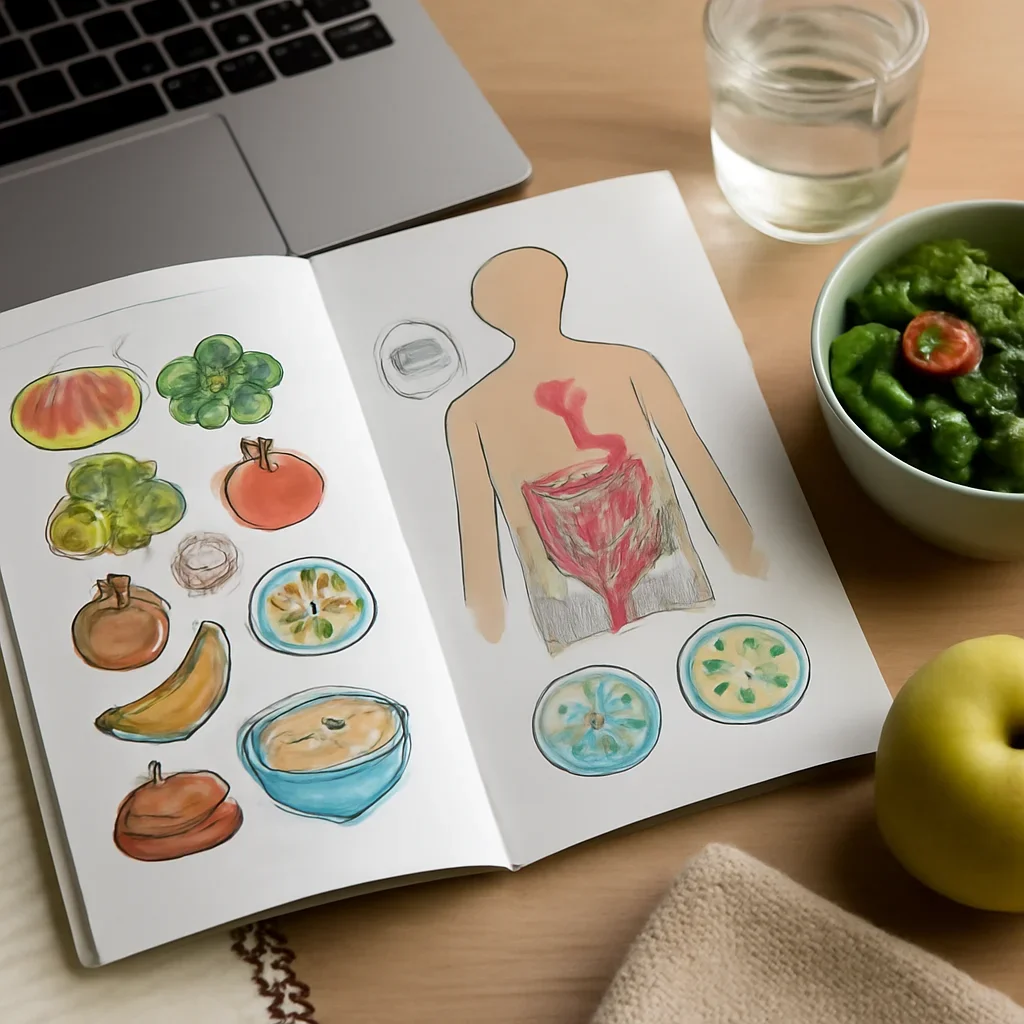
Human feeding studies show that large diet changes can affect gut microbes in a short time.
A 2014 study compared an animal-based diet with a plant-based diet. The gut mix changed quickly.
The diets changed microbe gene activity and fermentation products, not only which microbes were detected.
Fast changes do not mean a long-term gut pattern is fully replaced after a few meals.
Diet can move the microbiome quickly. But a short experiment does not tell us what diet is best for one person long term.
A 2011 human study linked long-term eating habits with different gut patterns.
Diets higher in animal protein and fat were linked with one pattern. Diets higher in carbohydrates were linked with another.
In a short feeding test, gut microbes changed within 24 hours. But the broader gut pattern stayed more stable.
A meal can change microbial activity quickly. Years of eating habits may shape a deeper pattern.
Many fibers are not fully broken down in the small intestine. They can reach the colon, where microbes may use them.
Fermentation can produce short-chain fatty acids such as acetate, propionate, and butyrate.
Different fibers are built differently. They do not all feed the same microbes or cause the same response.
Soluble, resistant, and other fibers can behave differently in the gut.
A person's starting gut community can affect how fiber is used.
Sudden large increases can change gas, stool, and comfort.
Fiber works within the rest of the diet, not by itself.
A 17-week study compared a high-fiber diet with a high-fermented-food diet in healthy adults.
The fermented-food group showed a steady rise in gut diversity. Several inflammatory markers also decreased.
The high-fiber group increased microbe enzymes used to break down carbs. Overall community diversity stayed stable.
The study used specific diet plans in a small group. It does not prove that every fermented food or every high-fiber diet gives the same result.
A daily-sampling study followed 34 healthy adults for 17 days.
Food choices were linked with gut changes. But the response was highly personal.
The gut pattern also reflected food eaten over several days, not only the last meal.
Diet studies often measure calories, protein, fat, carbs, and fiber.
But foods contain many things at once. Processing, cooking, plant structure, and food mixes can change what reaches the gut.
In the 17-day study, food choices were more closely linked with gut changes than standard nutrient totals.
That does not make nutrient information useless. It shows that food structure and food mixes can matter too.
| Question | What a Stool Report May Show | What It Cannot Prove |
|---|---|---|
| Which microbes are in the sample? | A report may describe microbe groups and relative amounts. | It cannot prove which food caused one microbial pattern. |
| How diverse is the sample? | Some reports may show diversity or richness. | One score cannot tell whether a diet is healthy or unhealthy. |
| Can it recommend foods? | Food notes may be included for general education. | It cannot prescribe a medical diet or prove one food is right for everyone. |
| Can it diagnose food intolerance? | No. A microbiome report is not a food-intolerance test. | It cannot diagnose allergy, intolerance, poor absorption, or another medical cause. |
Review the microbiome testing limitations before using a stool result to make a diet decision.
Results depend on how a sample is tested. Different methods can show different data.
The microbiome sequencing technology guide explains how test method can change microbe detail and function data.
The microbiome glossary explains terms such as abundance, diversity, fermentable fiber, metabolite, species, and strain.
U.S. dietary guidance focuses on whole diet patterns, nutrient needs, and health at each life stage.
A microbiome result can add gut context. It should not replace basic nutrition needs or medical diet advice.
People with allergies, gut disease, diabetes, kidney disease, eating disorders, pregnancy, or other health needs may need personal guidance.
Controlled human diet study showing rapid changes in gut-microbiome composition and function. Review the study .
Human study linking long-term eating habits with broad gut patterns. Review the study .
Human trial comparing high-fiber and high-fermented-food diets. Review the trial .
Daily human study showing highly personal diet and gut responses. Review the study .
Used for general information on digestion, nutrient uptake, and the role of large-bowel bacteria. Review NIDDK guidance .
Used for national U.S. dietary-pattern context, separate from microbiome claims. Review U.S. dietary guidance .
An at-home stool test can provide wellness information about gut microbes. It is not a medical diet test.
If you are considering testing, review the current gut microbiome test page and read its stated scope.
Read microbiome test results in context. Do not treat one microbe, ratio, or diversity score as a diet prescription.
Yes. Human studies have found clear gut changes within days of major diet shifts. Short-term changes do not always replace a person's longer-term gut pattern.
Many fibers reach the colon, where gut microbes can ferment them. Different fibers can support different gut functions.
One randomized human study found higher diversity during a high-fermented-food diet. That does not mean every fermented food has the same effect.
No. Human responses to food are highly personal. Long-term diet, medicines, health, culture, and the starting gut pattern can all matter.
No. A consumer stool report may include food notes. It cannot prescribe a medical diet or prove one food is best for everyone.
A microbiome result can add context. Major diet changes should also consider nutrition needs, symptoms, health problems, medicines, and allergies.
Gut microbes are one part of nutrition research. Nutrient needs, food access, culture, health conditions, medicines, symptoms, and personal preferences also matter.
This article is educational. It does not diagnose, prevent, treat, or cure disease. It is not a diet prescription.