Gut health science

Gut Microbiome and Sleep: What Research Shows About the Connection

Sleep and the gut microbiome appear to be connected, but the relationship is more complicated than claims that “better gut bacteria equal better sleep.” Researchers are studying how sleep patterns, circadian rhythms, diet, microbial activity, and the gut-brain axis may interact.

Human research has found associations between sleep and differences in gut microbial communities. However, researchers have not established one microbiome pattern that explains sleep quality, and a stool microbiome test cannot diagnose insomnia or tell you why you are sleeping poorly.

The useful takeaway: gut microbiome and sleep research is promising, but it should be interpreted as developing science rather than a proven diagnostic or treatment pathway.

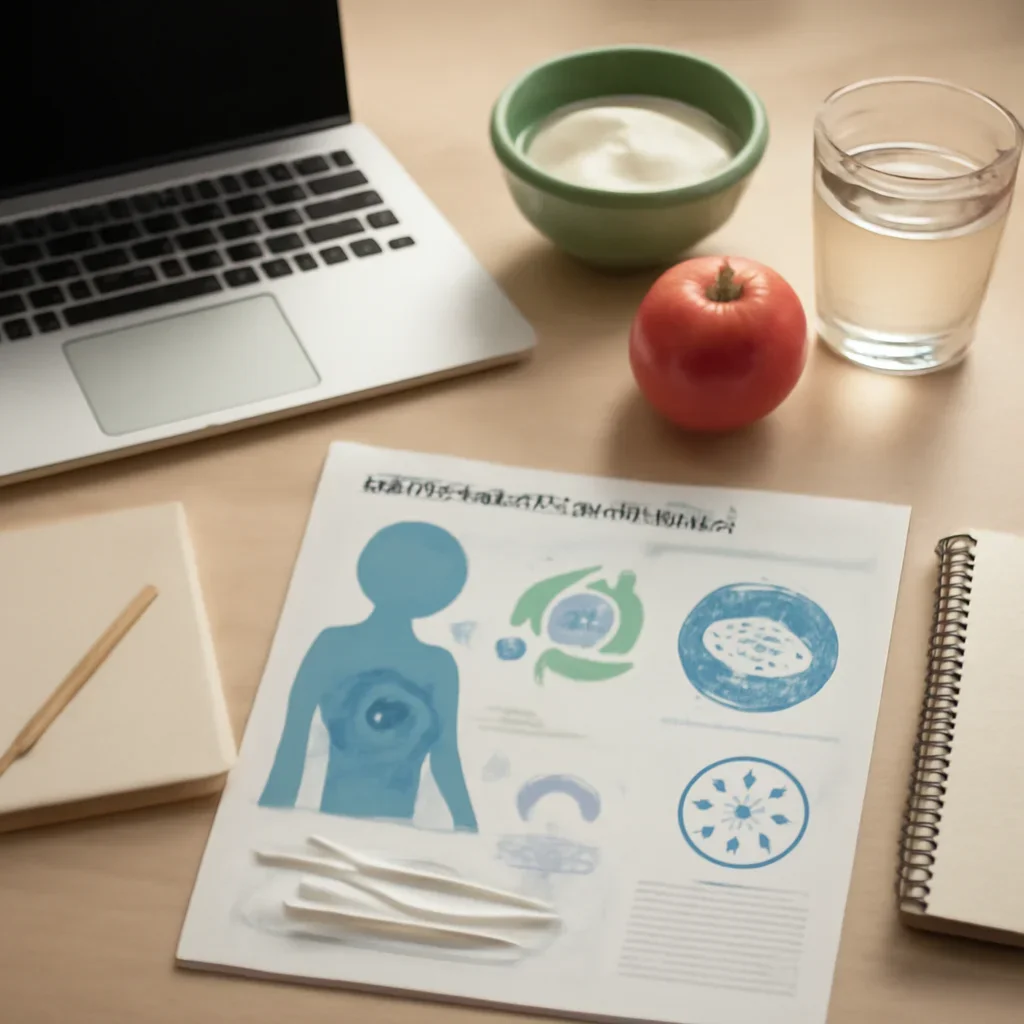
Gut microbiome and sleep connection educational overview
Quick answer

Is there a connection between the gut microbiome and sleep? Yes, research has found associations between sleep patterns and the gut microbiome, and scientists are investigating a possible two-way relationship through the gut-brain axis. What has not been proven is that a specific gut microbiome causes better sleep or that changing gut bacteria will reliably treat a sleep problem.

Microbiome–gut–brain connection

Why Scientists Study the Gut Microbiome and Sleep Together

Your gut microbiome is the community of microorganisms living in your digestive tract. Sleep is controlled through a much larger network that includes the brain, nervous system, hormones, immune activity, environmental cues, daily schedules, and circadian rhythms.

Researchers are interested in where those systems overlap. One area is the gut-brain axis, a broad term for communication between the digestive system and the nervous system. Microbial metabolites, immune signaling, diet, stress, and circadian timing are among the pathways being investigated.

This does not mean that gut bacteria work like an on/off switch for sleep. It means the microbiome may be one part of a much larger biological system that researchers are still working to understand.
Gut-brain axis and sleep research related to the gut microbiome
What the evidence says

What Current Research Suggests About Sleep and Gut Bacteria

The strongest way to understand this research is to separate what has been observed from what has actually been proven.

1

Sleep and Microbiome Patterns Are Associated

Human studies and reviews have reported associations between sleep measures and features of the gut microbiome. These findings support continued research, but association alone cannot establish which factor caused the other.

2

The Relationship May Work in Both Directions

Researchers are examining whether sleep can influence microbial communities while microbial activity may also interact with systems involved in sleep. This proposed two-way relationship remains an active area of study.

3

There Is No Proven “Sleep Microbiome”

Science has not established one bacterial profile that defines healthy sleep or one microbiome result that can explain insomnia, nighttime waking, fatigue, or another sleep concern.

Important Evidence Limitation

Studies of microbiome-directed interventions have not established that deliberately changing the gut microbiome reliably improves sleep. Differences in study design, populations, diets, interventions, and microbiome methods make simple conclusions difficult.

Avoiding overclaims

What the Gut–Sleep Connection Does and Does Not Mean

Microbiome headlines often move faster than the evidence. These distinctions help keep the topic useful.

What Research Can Reasonably Support

  • Sleep and the gut microbiome may be associated.
  • The gut-brain axis provides plausible pathways for interaction.
  • Sleep, diet, circadian timing, stress, and other factors can overlap.
  • Microbiome research may help scientists better understand biological patterns over time.
  • A microbiome report can provide educational information about a submitted stool sample.

What the Evidence Does Not Establish

  • A particular bacterial result does not diagnose poor sleep.
  • Low diversity does not prove the cause of insomnia.
  • One food, probiotic, or routine cannot be assumed to fix sleep by changing the microbiome.
  • Consumer microbiome testing is not a sleep study.
  • A microbiome report should not replace medical evaluation for a persistent sleep problem.
At-home microbiome testing

Can a Gut Microbiome Test Tell You Why You Are Not Sleeping Well?

No. A consumer gut microbiome test is not designed to diagnose insomnia, sleep apnea, circadian rhythm disorders, or another medical cause of poor sleep.

A stool microbiome test instead examines microorganisms represented in the submitted sample and organizes laboratory findings into a microbiome report. Depending on the report, this may include information about bacterial composition, relative abundance, diversity, and educational context.

If you are curious about your gut microbiome while also paying attention to sleep, the report can provide a microbiome baseline or another source of wellness information. It should not be interpreted as proof that a particular bacterial finding is causing a sleep problem.

Reading results responsibly

How to Think About Sleep When Reviewing a Microbiome Report

If sleep is one of the reasons you became interested in gut health, interpret the report within the bigger picture rather than searching for one bacterium that explains everything.

Look for Context, Not a Diagnosis

Use microbiome findings to understand what was represented in your submitted sample. Do not use a diversity score or individual bacterial result as a diagnosis for a sleep condition.

Remember That the Microbiome Can Vary

A microbiome sample is a snapshot. Diet, medication exposure, daily habits, illness, collection timing, and other factors can influence microbiome measurements.

Separate Wellness Questions From Medical Questions

A report can support general gut-health learning. Persistent insomnia, severe daytime sleepiness, breathing problems during sleep, or other concerning symptoms belong with an appropriately qualified healthcare professional.

U.S. testing information

Looking for Gut Microbiome Testing Near You in the USA?

MicrobiomeTest.us uses an at-home testing model. Customers order online, collect the required stool sample at home, and return it according to the instructions supplied with the kit.

The state and city pages are geographic guides for people searching from different parts of the United States. They do not mean there is a separate MicrobiomeTest.us clinic or walk-in laboratory in every listed location.

Delivery and return transit can vary by location, so use your location guide and current ordering information when planning your test.

Evidence and further reading

Research Behind the Gut Microbiome and Sleep Discussion

This page uses cautious language because microbiome and sleep research is still developing. These peer-reviewed reviews provide additional context on the current evidence and its limitations.

Gut Microbiota and Sleep: Interaction Mechanisms

A 2024 review discussing the proposed bidirectional relationship between gut microbiota and sleep through the gut-brain axis. Review the PubMed record .

The Role of Gut Microbiome in Sleep Quality and Health

A 2024 review examining proposed biological pathways connecting microbial activity, diet, metabolites, and sleep. Review the PubMed record .

Effect of Gut Microbiota Modulation on Sleep

A systematic review and meta-analysis that concluded evidence was insufficient to establish that microbiota modulation improves sleep quality. Review the PubMed record .

Gut microbiome and sleep FAQ

Frequently Asked Questions About the Microbiome and Sleep

Direct answers to common questions about gut bacteria, sleep quality, microbiome testing, and the limits of current research.

Is the Gut Microbiome Connected to Sleep?

Research has found associations between sleep patterns and the gut microbiome, and researchers are studying a possible two-way relationship through the gut-brain axis. Association does not prove that one specific microbiome pattern causes good or poor sleep.

Can Poor Sleep Change the Gut Microbiome?

Sleep disruption has been associated with microbiome differences in some studies, but human findings are not completely consistent. Researchers still need better controlled and standardized studies to determine how reliable and clinically meaningful those differences are.

Can Changing the Gut Microbiome Improve Sleep?

It has not been established that deliberately changing the gut microbiome will reliably improve sleep. Microbiome-directed interventions remain an active research area rather than a proven treatment for sleep disorders.

Can a Gut Microbiome Test Diagnose Insomnia?

No. A consumer gut microbiome test cannot diagnose insomnia, sleep apnea, circadian rhythm disorders, or determine the medical cause of poor sleep.

What Can a Gut Microbiome Test Tell Me About Sleep?

The test can provide educational information about microorganisms represented in your stool sample and related report measurements. It cannot determine whether those findings are responsible for your sleep quality.

Can I Order an At-Home Gut Microbiome Test in the United States?

MicrobiomeTest.us provides state and city location guides for U.S. customers using an online-order and at-home sample collection model. These location pages are geographic guides rather than listings for separate local clinics.

Explore your gut microbiome

Want to Learn What Your Gut Microbiome Report Can Show?

If your interest in sleep has led you to explore gut health, start by understanding what microbiome testing actually measures. Review the test details, see the sample report, and understand the scientific limitations before deciding whether testing fits your wellness goals.

Gut microbiome testing provides informational and general-wellness context. It is not a diagnostic test for insomnia or another sleep disorder.

Learn more about gut microbiome testing after researching microbiome and sleep