Depth of information
Some methods focus on broad bacteria patterns. Others may support deeper analysis, depending on the lab workflow and report design.

Sequencing technology is one of the main reasons an at-home microbiome test can turn a small stool sample into organized gut-wellness information.
This page explains how microbiome sequencing is usually discussed, why different methods can produce different report styles, and what to review before comparing a gut microbiome test, microbiome analysis, or sample report.
Sequencing information should be read in a general education frame. It can help explain testing methods, but it should not be used to diagnose symptoms or replace clinical advice.
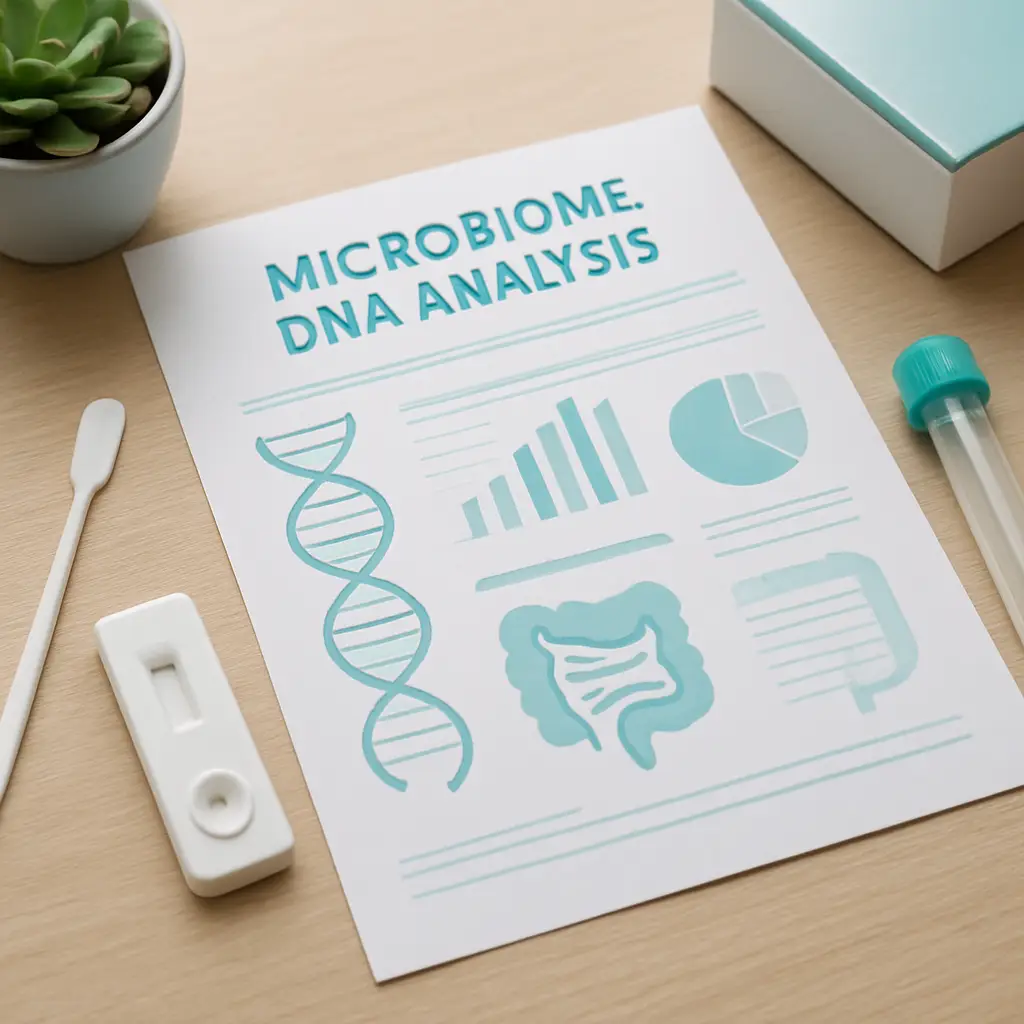
Sequencing helps a lab read genetic material connected to organisms in a sample. After that, software and interpretation steps help organize the information into report categories that are easier for a person to review.
For someone ordering a microbiome test kit, the technology matters because it can influence what the report highlights, how bacteria are grouped, and how much explanation is needed after the result is ready.

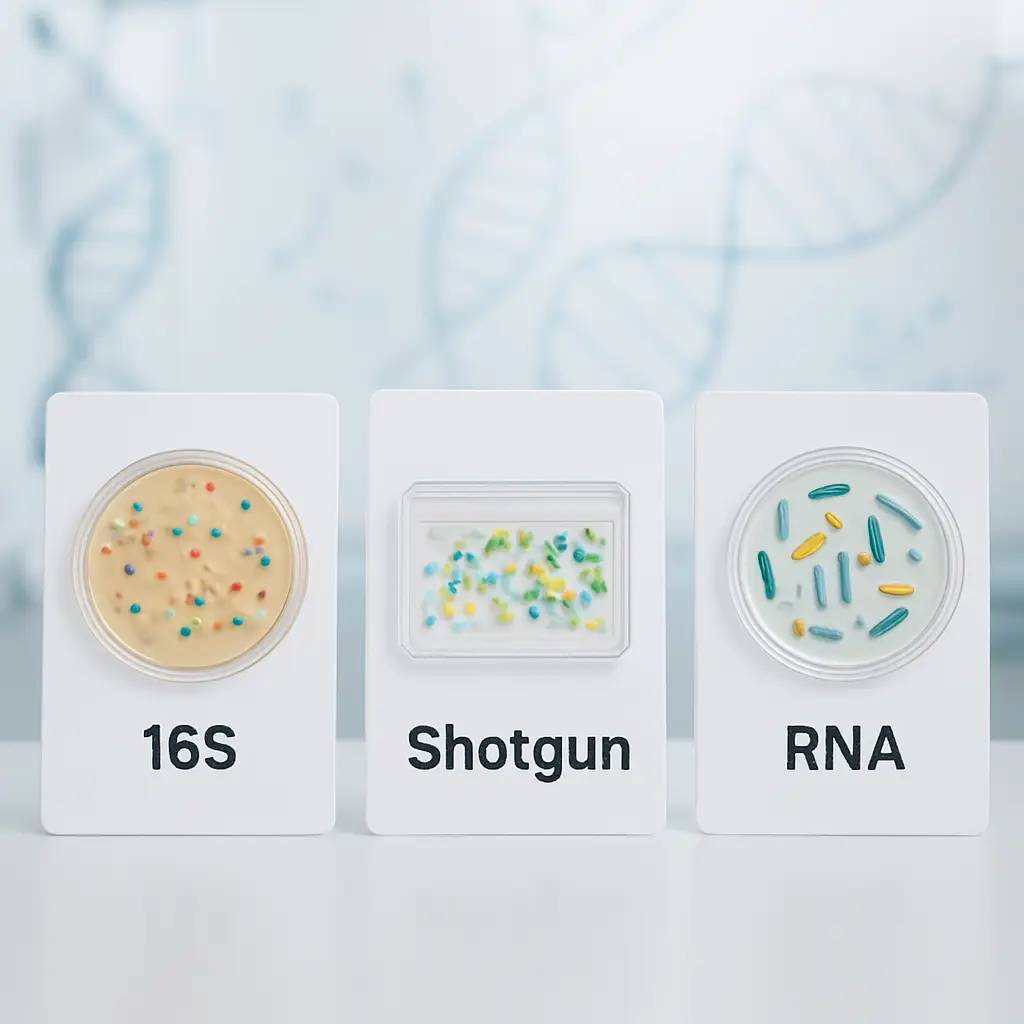
| Method | Plain-language explanation | What to keep in mind |
|---|---|---|
| 16S sequencing | Looks at a specific marker commonly used to profile bacteria groups in a microbiome sample. | Often easier to explain and compare, but it may have less detail than broader methods. |
| Shotgun sequencing | Reads broader genetic material from the sample, which may support deeper organism and function-related analysis. | Can provide more detail, but it may also require more complex analysis and careful explanation. |
| RNA-style approaches | Sometimes discussed when comparing DNA-focused methods with methods that may relate more closely to activity signals. | Report claims should be reviewed carefully because method, sample handling, and interpretation all matter. |
If you want a direct method comparison, continue to 16S vs shotgun vs RNA.
Different sequencing methods can answer different kinds of questions. That is why two microbiome tests may not show the same level of detail, even when both are based on a stool sample.
The method can affect how organisms are grouped, how much detail appears in the summary, and how much explanation is needed to understand the result. This is one reason the results page and glossary are useful before ordering.
Some methods focus on broad bacteria patterns. Others may support deeper analysis, depending on the lab workflow and report design.
More data does not automatically mean a clearer report. Strong explanation, plain language, and honest limits are still important.
If you are comparing brands or methods, the page should explain what is tested, what is reported, and what remains uncertain.
Sequencing can organize microbiome information, but diet, routine, antibiotics, sample timing, and health history can all affect interpretation.
Genetic material that can be read during many microbiome sequencing workflows. DNA-based results often describe what genetic signals were detected in the sample.
A marker often discussed in bacteria-focused microbiome profiling. It helps organize bacterial groups but should be read with method limits in mind.
A broader way to study genetic material from a mixed community of organisms. It is often connected to shotgun-style microbiome analysis.
A grouping word for organisms at different levels, such as genus or species. The exact level shown can depend on the method and analysis.
A way to show how much of one organism or group appears compared with others in a sample. It should not be read as a diagnosis.
The data-analysis step that helps turn sequencing output into organized report information. This step is important for readability and interpretation.
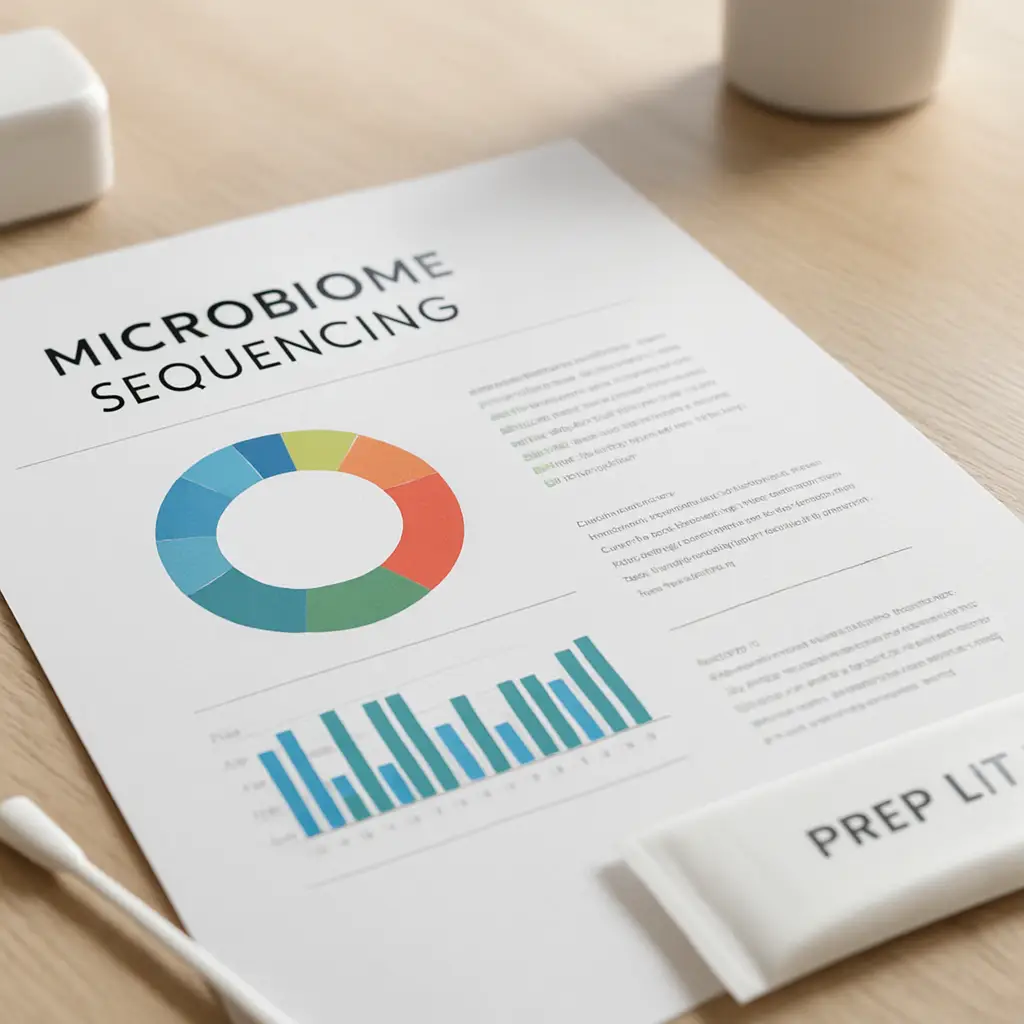
Sequencing is not the final report by itself. It is one part of a longer process that includes sample collection, lab processing, data analysis, quality checks, and report design.
Before reading a report, it helps to review gut microbiome diversity, good vs bad gut bacteria, and microbiome testing limitations.
| Sequencing may help with | Sequencing should not be used for |
|---|---|
| Learning which bacteria groups or organism patterns may appear in a sample. | Diagnosing digestive symptoms, infections, IBS, IBD, or other medical conditions by itself. |
| Comparing report structure, method explanations, and educational microbiome insights. | Replacing medical testing, clinical evaluation, or urgent care when symptoms are serious. |
| Understanding general gut-wellness topics such as diversity, diet, probiotics, and routine changes. | Creating a treatment plan without guidance from a qualified clinician. |
| Supporting better questions before or after you review your report. | Assuming one bacteria name explains everything about digestion or health. |
If you are comparing microbiome tests, do not look at the method name alone. The value also depends on what the report explains, how the sample is handled, and whether the results are presented responsibly.
Look for a clear explanation of whether the page discusses 16S, shotgun, RNA-style approaches, or another method.
A method is easier to evaluate when you can see the type of output. Review the sample report before ordering.
A responsible page should explain what the test can show and what it cannot prove. This matters for trust.
More complex methods may affect pricing. Review microbiome test cost before deciding.

Use 16S vs shotgun vs RNA if you want a focused comparison of the major sequencing approaches.
Review microbiome test vs GI-MAP if you are comparing wellness testing with clinical-style digestive testing.
Visit microbiome analysis to understand how test data may be organized into readable report sections.
The science page can support readers who want a broader overview of methodology, evidence, and interpretation.
The glossary explains terms like taxa, diversity, relative abundance, sequencing, and microbiome analysis.
If you are ready to connect the method with the actual order process, visit how it works.
Sequencing technology can produce useful data, but the report still needs careful explanation. A person reading results should be able to understand what the test is showing, what is uncertain, and what should be discussed with a clinician if symptoms are ongoing.
This is especially important when reading about digestive health testing, gut health testing, or symptoms connected to digestion. The method can support education, but it does not turn a wellness report into a diagnosis.
For urgent, severe, or persistent symptoms, a licensed clinician is the right next step.
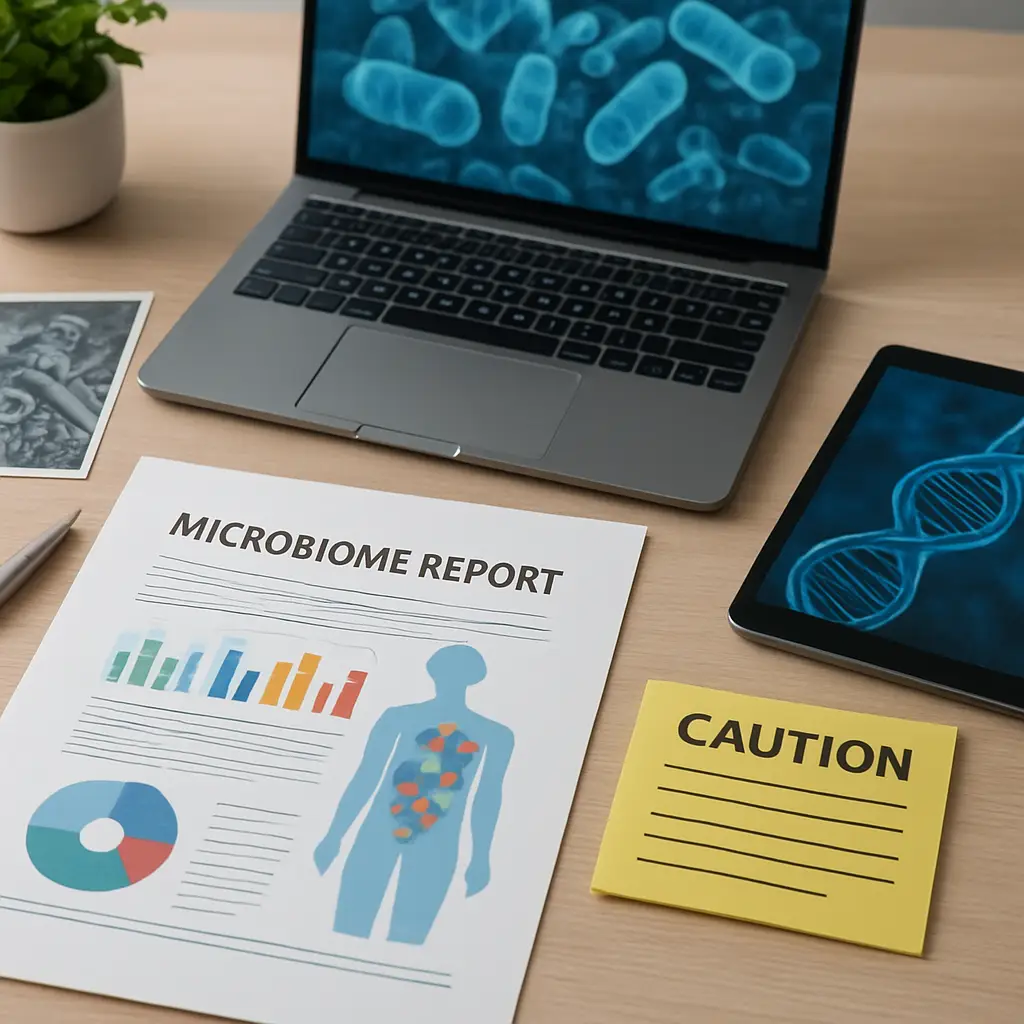
Sequencing-related pages should also make people think about data handling. Review privacy and data if you want to understand how this topic is presented before ordering.
If you understand the method and want to move forward, compare the at-home microbiome test page, then continue to order kit.
Microbiome sequencing technology refers to lab and data methods used to read genetic material from organisms in a sample so the report can organize microbiome-related information.
16S sequencing focuses on a marker gene commonly used for bacteria profiling, while shotgun sequencing reads broader genetic material from a sample. Each method has different strengths, limits, cost factors, and reporting possibilities.
Not always. Shotgun sequencing may provide broader detail, but the best fit depends on the goal of the test, report design, cost, analysis quality, and how clearly the results are explained.
No. Sequencing can support microbiome education and report interpretation, but it should not be used by itself to diagnose symptoms, disease, or treatment needs.
Continue with 16S vs shotgun vs RNA, review the sample report, or visit order kit if you are ready to move forward.
Sequencing technology is easier to understand when you connect the method, sample process, analysis, and report format together.
Continue with Microbiome Analysis, review Sample Report, or visit Order Kit.