Bloating questions
Some people start with digestive testing because they want a more organized way to think about bloating, meals, routine changes, and gut-wellness patterns. Learn more about microbiome and bloating.
A digestive health test gives you a structured way to explore gut microbiome patterns, review educational report details, and understand what your results may mean in a general wellness context.
This page is built for people comparing a gut health test, a stool microbiome test, or a broader gut microbiome test before they order a kit.
A digestive health test should not be used to diagnose disease, explain urgent symptoms, or replace medical advice. Persistent digestive concerns should be discussed with a licensed clinician.
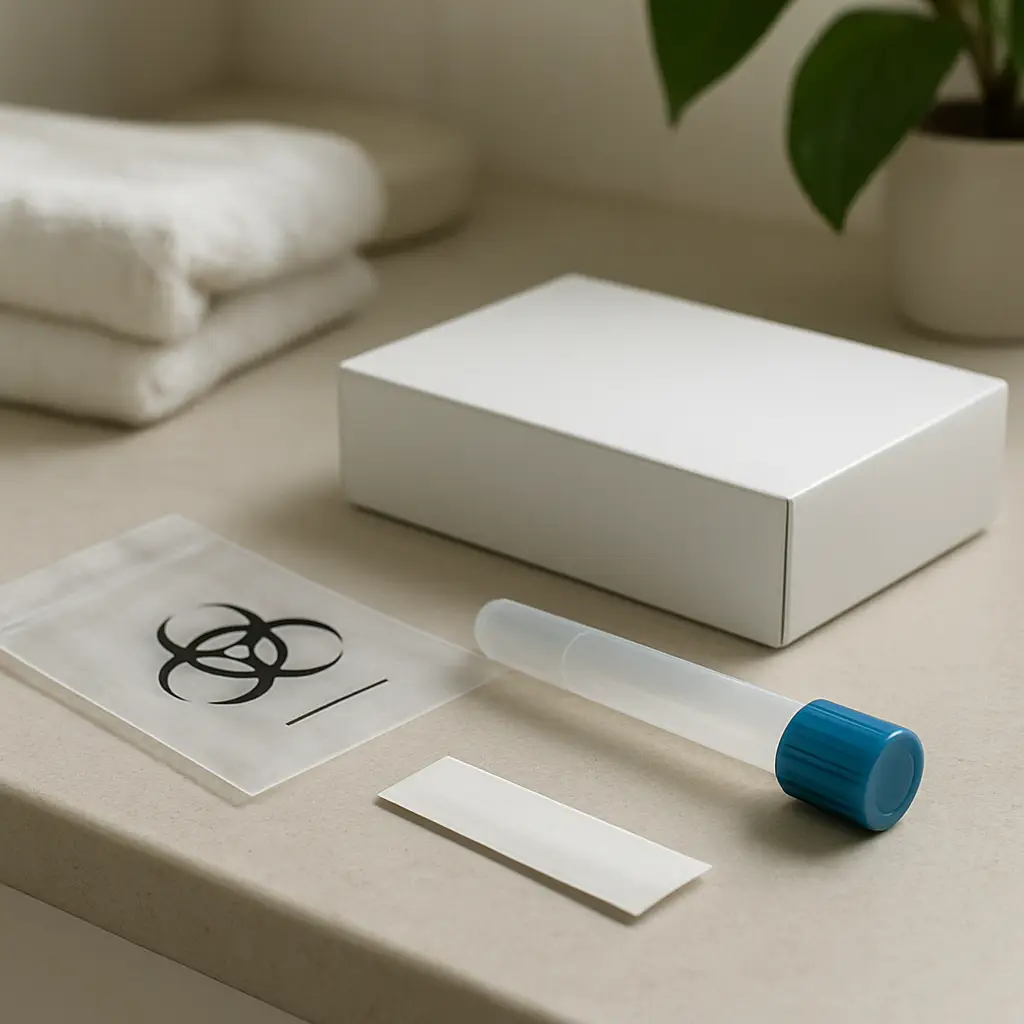
Digestive symptoms and gut-wellness questions can be confusing when every article gives a different answer. This page keeps the topic simple by focusing on what an at-home test may help organize and where interpretation needs context.
You can use it to compare the role of a gut bacteria test, understand what may appear in a sample report, and decide whether a home collection kit fits your goals.
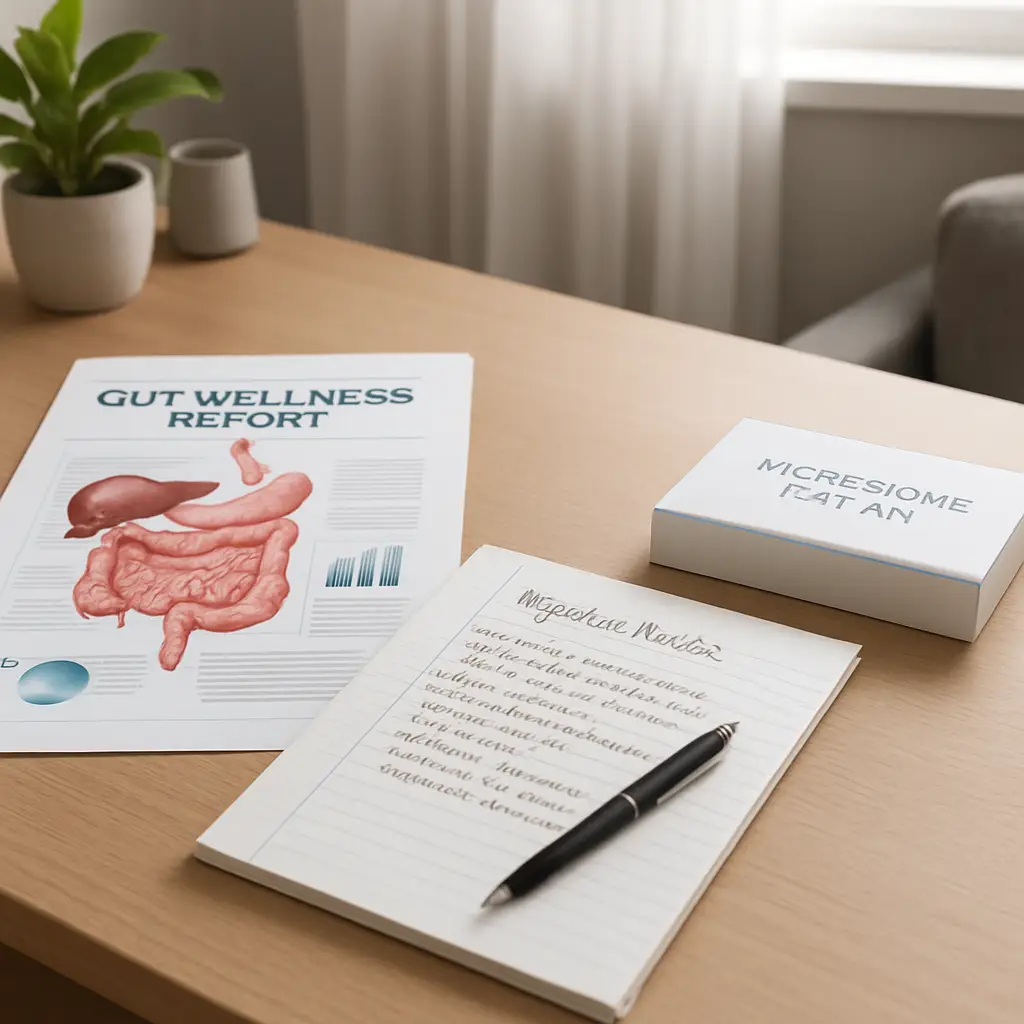
The process is designed to be simple. You order online, collect the sample at home, return it using the instructions provided, and review your report when processing is complete.
If timing, delivery, or return steps are important to you, review the shipping page before ordering.
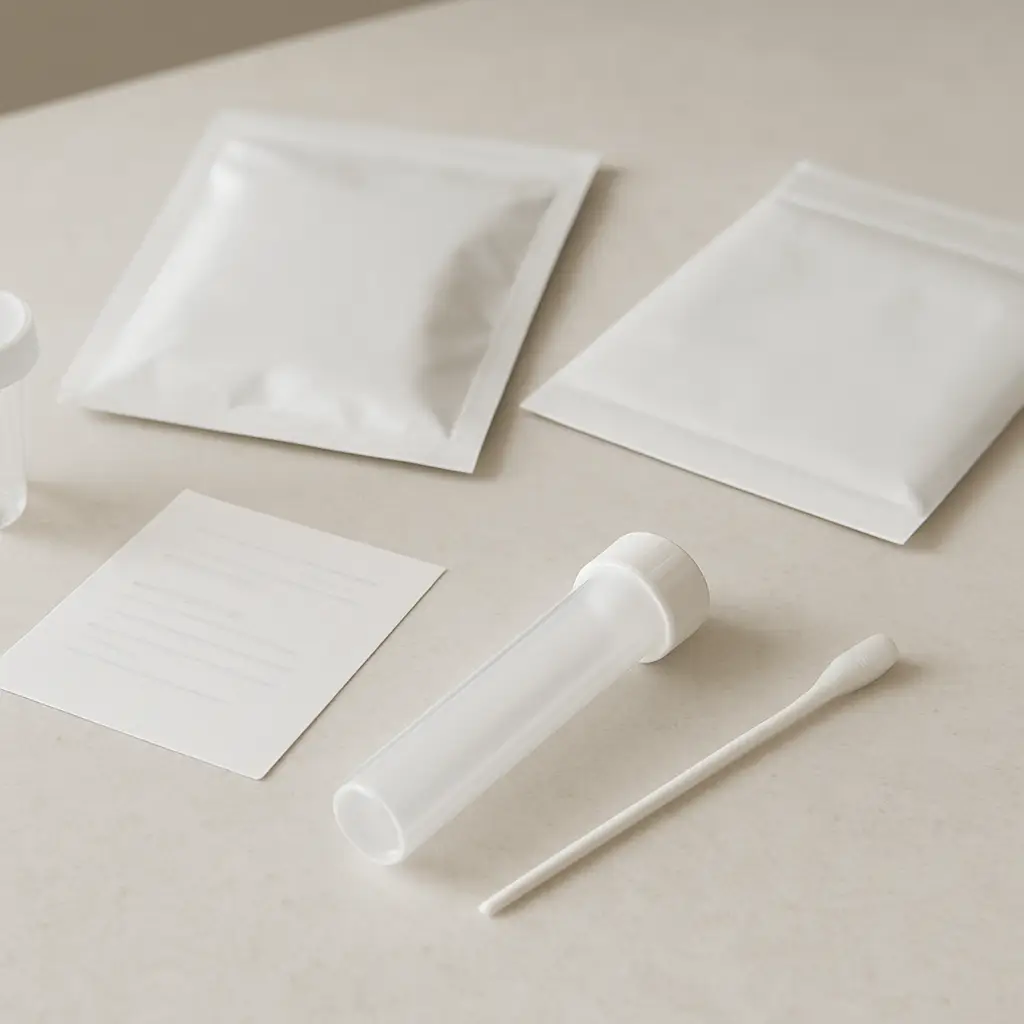
A microbiome-focused digestive health report may help organize bacteria-related findings, diversity indicators, and educational notes in a format that is easier to understand than raw data alone.
The most useful reports do not promise one simple answer. They help you review patterns, compare possible next questions, and understand how food, routine, recent antibiotics, and lifestyle changes may relate to gut-wellness discussions.
You can also review microbiome analysis if you want a deeper explanation of how report interpretation is usually presented.
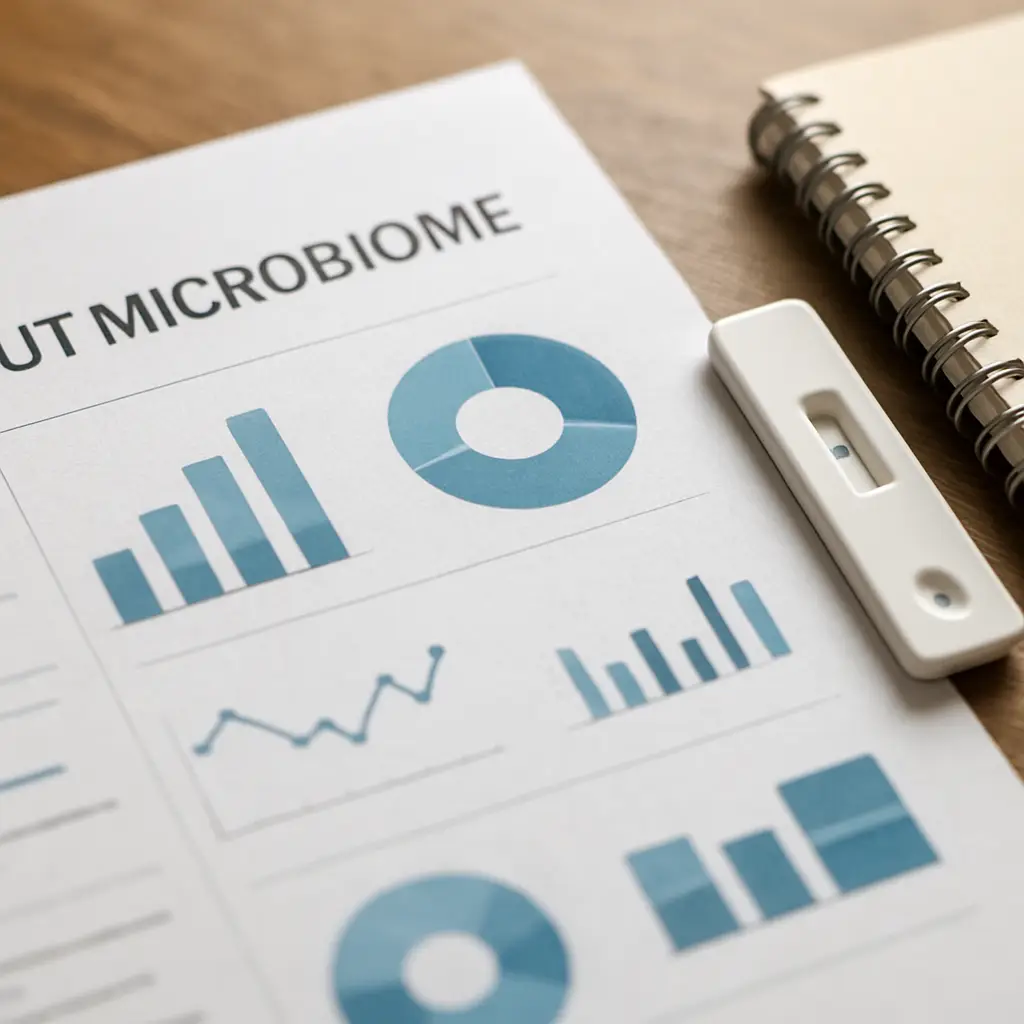
Some people start with digestive testing because they want a more organized way to think about bloating, meals, routine changes, and gut-wellness patterns. Learn more about microbiome and bloating.
Others want educational context around bowel routine changes and microbiome balance. Related reading is available on microbiome and constipation.
A test cannot diagnose the cause of ongoing diarrhea, but it can help organize microbiome-related questions. Review microbiome and diarrhea for more context.
People often test before or after changing fiber intake, fermented foods, supplements, or daily eating habits. The microbiome and diet guide can support that research.
Some buyers want a baseline after antibiotics or a major routine shift. The microbiome and antibiotics page explains why expectations should stay realistic.
If you are still unsure which route fits, compare broader options through the best gut health test and best microbiome test pages.
A responsible digestive health test page should be clear about limits. Microbiome results may be useful for education, comparison, and better questions, but they should not be treated as a complete medical explanation.
The report should not be used to diagnose IBS, IBD, food intolerance, infection, autoimmune disease, or another medical condition. Review microbiome testing limitations before relying on results.
Severe pain, bleeding, dehydration, unexplained weight loss, fever, or symptoms that feel urgent should be handled through appropriate medical care rather than an at-home wellness test.
Digestive-health testing involves personal information, so privacy should be reviewed before ordering. Visit privacy and data to understand how this topic is explained on the site.
Before checkout, many visitors want to understand price, kit steps, and what they receive. Review microbiome test cost and the microbiome test kit page for more detail.
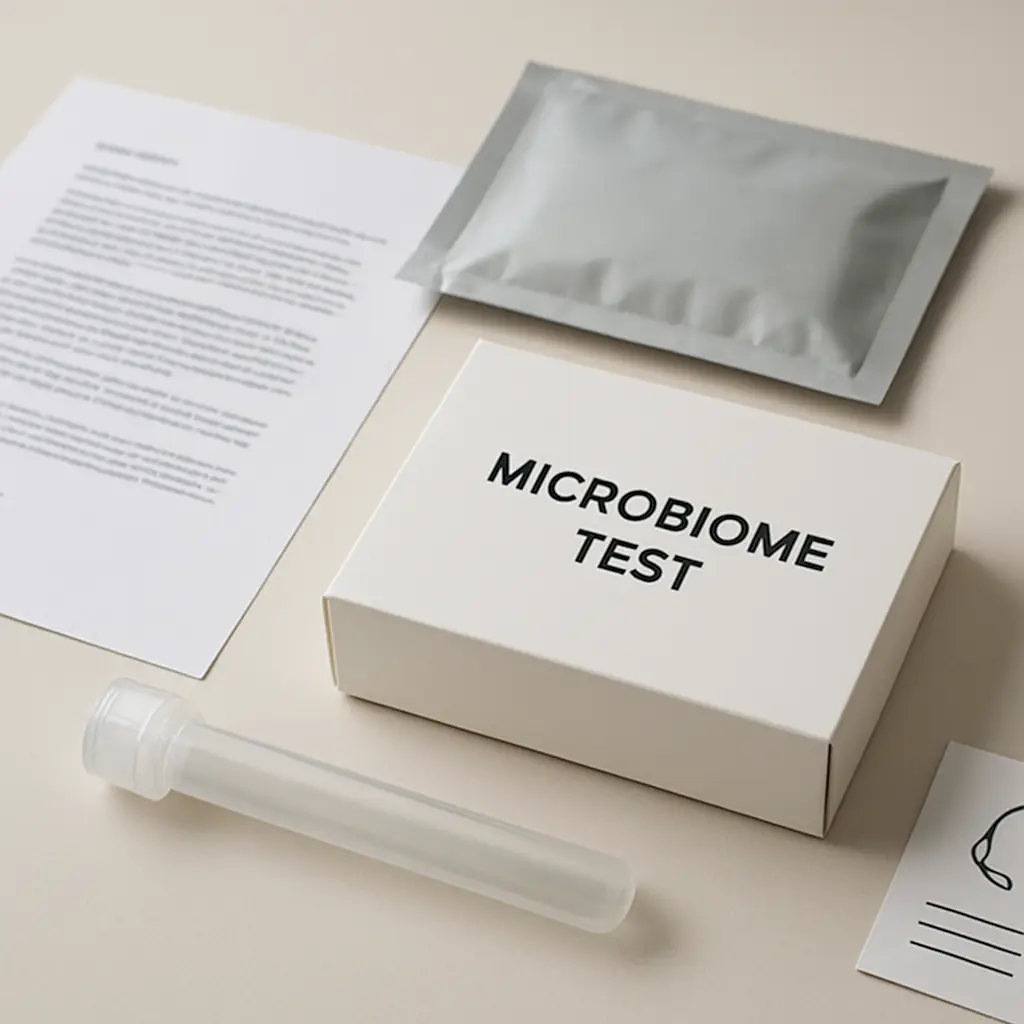
A digestive health test is a general wellness tool that may help people review gut microbiome patterns, sample report information, and related digestive-health questions. It is not a substitute for diagnosis or medical care.
Most at-home testing follows a simple path: order the kit online, receive collection materials, collect the sample at home, return it as instructed, and review the digital report when results are ready.
No. A microbiome-focused digestive health test can organize educational insights, but it should not be used to diagnose symptoms or replace care from a licensed clinician.
Yes. Reviewing a sample report helps you understand the type of information you may receive and the limits of what the report can explain.
If you are ready to compare the process, start with how it works. If you are ready to move forward, visit order kit.
A digestive health test can help you organize microbiome-related questions, compare educational report details, and decide what to review next.
You can continue with Order Kit, review How It Works, or compare the broader Gut Microbiome Test page before making a decision.