Less Fermentable Substrate Reaches the Colon
Restricting certain fermentable carbohydrates changes what is available for microbial fermentation. This can influence microbial activity and the relative abundance of some bacterial groups.

A low FODMAP diet is often discussed in connection with irritable bowel syndrome (IBS), digestive symptoms, and gut bacteria. But reducing FODMAPs does more than change which foods appear on a plate—it also changes the fermentable carbohydrates reaching microbes in the large intestine.
That is why researchers have studied the low FODMAP diet and gut microbiome together. The diet may improve digestive symptoms for some people with IBS, while also changing parts of the microbial community. Those two findings are not contradictory: symptom improvement and microbiome composition are different outcomes.
Quick answer: a low FODMAP diet can affect gut bacteria, including reducing some bacteria such as Bifidobacterium during the restriction phase. The diet is generally intended to move toward reintroduction and personalization rather than permanent broad restriction.
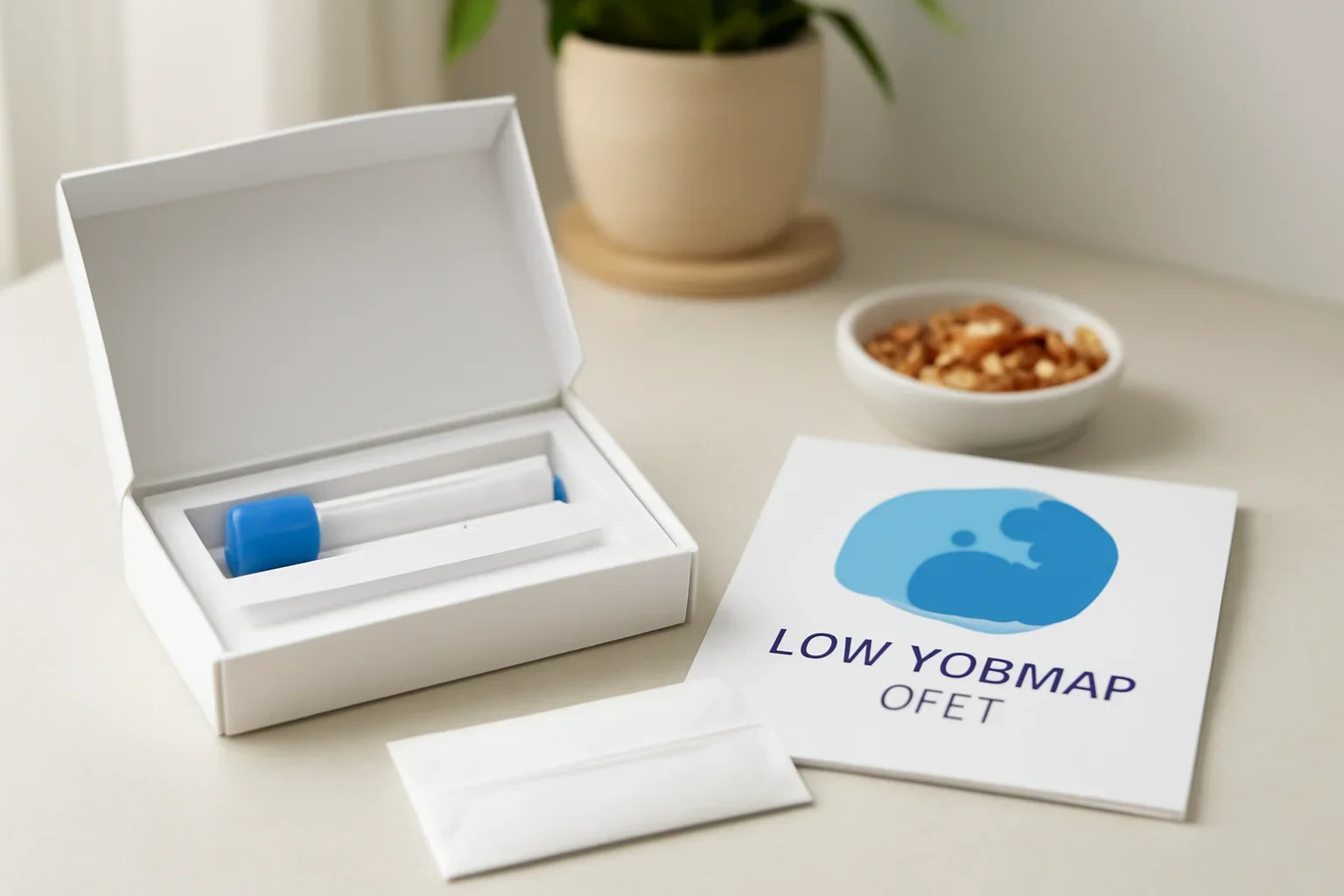
FODMAP stands for fermentable oligosaccharides, disaccharides, monosaccharides and polyols. These are groups of carbohydrates that can be poorly absorbed in the digestive tract and then fermented by bacteria in the large intestine.
For people with a sensitive gastrointestinal system, this combination of water movement and fermentation may contribute to symptoms such as bloating, abdominal discomfort, changes in bowel habits, or excess gas. That is why the low FODMAP approach has been studied most extensively in people with IBS.
It is not intended to label FODMAP-containing foods as inherently unhealthy. Many foods containing fermentable carbohydrates also provide fiber and other nutrients.
Not automatically. The main purpose of the diet is symptom management in appropriate people—not maximizing bacterial diversity or feeding every potentially beneficial microorganism. That distinction is important when discussing the low FODMAP diet and microbiome health.

Gut microorganisms depend partly on dietary substrates that reach the colon. Changing the amount and type of fermentable carbohydrate in the diet can therefore change the environment in which those microorganisms live.
Restricting certain fermentable carbohydrates changes what is available for microbial fermentation. This can influence microbial activity and the relative abundance of some bacterial groups.
Systematic reviews of clinical trials have consistently reported lower Bifidobacterium abundance during low FODMAP restriction. This is one reason long-term unnecessary restriction is discouraged.
Research has not shown a consistent reduction in overall microbiome diversity across every study. The microbiome response is more complex than a single “good” or “bad” diversity score.
Altering fermentable carbohydrate intake may affect microbial fermentation and metabolite production. Researchers continue to study how meaningful these changes are over the short and long term.
Baseline microbiome composition, diet, medications, symptoms, and other factors vary widely. Two people following similar dietary advice may not show identical microbiome changes.
Someone may experience symptom improvement even if a microbiome metric moves in a direction that sounds less favorable. One bacterial result should not be used as a stand-alone measure of whether the diet is “working.”
One of the most common misunderstandings is treating a strict low FODMAP diet as a permanent list of foods to avoid. Clinical guidance instead describes a staged approach designed to identify individual tolerance and eventually broaden the diet where possible.
The initial phase temporarily reduces high-FODMAP exposure while symptoms are assessed. It is intended to be time-limited rather than a permanent restrictive eating pattern.
FODMAP groups are reintroduced in a structured way to identify which types and amounts are better or less well tolerated by the individual. Professional guidance can make this process more reliable.
The longer-term goal is generally the least restrictive diet that still manages symptoms, rather than avoiding every high-FODMAP food indefinitely.
Important: restrictive diets can be difficult to balance and are not appropriate for everyone. People with persistent digestive symptoms, complex medical histories, nutritional concerns, or questions about IBS should discuss dietary changes with an appropriately qualified clinician or gastrointestinal dietitian.
Clinical research supports a limited low FODMAP trial as an option for improving overall IBS symptoms in some patients. At the same time, microbiome research shows that restriction can alter specific bacterial groups.
These findings are easier to understand when symptom outcomes and microbiome outcomes are evaluated separately.
| Question | What Research Supports | What Should Not Be Assumed |
|---|---|---|
| Can a low FODMAP diet help IBS symptoms? | Clinical guidelines support a limited trial for some people with IBS, and studies report improvement in symptoms such as bloating and abdominal discomfort. | That it works for everyone or cures IBS. |
| Can the diet change gut bacteria? | Yes. Studies have reported changes in several microbial groups, particularly lower Bifidobacterium during restriction. | That every microbiome change is harmful or permanent. |
| Does lower FODMAP automatically mean healthier gut bacteria? | No. The diet is primarily a symptom-management strategy rather than a universal microbiome-optimization diet. | That lower fermentation is always better for long-term gut health. |
| Should restriction continue indefinitely? | Professional guidance generally emphasizes reintroduction and personalization after the initial phase. | That permanent broad avoidance is the goal. |
A stool microbiome test can provide an educational snapshot of microorganisms represented in a sample. If diet has recently changed, that dietary context can be useful when reading the report.
However, microbiome testing should not be treated as a substitute for the symptom-based reintroduction process or professional evaluation.
Two comparable stool samples collected at different times may provide useful educational context about how the microorganisms represented in those samples differ.
But a before-and-after comparison does not prove that the low FODMAP diet caused every difference. The microbiome can also change with medications, illness, travel, sleep, supplements, other dietary changes, and many other exposures.
When comparing results, remember major changes in diet, medication, supplements, illness, travel, or routine that occurred between samples.
Comparisons are easier to interpret when the test methodology and report format are consistent between samples.
A change in one bacterial group should not automatically become a diagnosis, food restriction, or treatment recommendation.
Some FODMAP-containing carbohydrates also have prebiotic properties, which helps explain why broad restriction can influence bacteria that use those substrates.
Probiotics are a separate topic. Research has examined whether particular probiotics can influence microbiome changes during a low FODMAP diet, but that does not mean every probiotic product will produce the same result.
Prebiotics are substrates selectively used by microorganisms in a way that provides a health benefit. Some fermentable carbohydrates overlap with this area, which is one reason diet and microbiome research are closely connected.
Learn more in Prebiotics vs Probiotics .
Probiotics are specific live microorganisms with demonstrated benefits under particular conditions. Evidence for one strain or product should not automatically be generalized to all probiotics.
Continue with Microbiome and Probiotics .
MicrobiomeTest.us uses an at-home stool collection process. Customers do not normally need to visit a branded local collection clinic simply to provide the sample.
The kit is ordered online, the required sample is collected privately at home, and the sample is returned according to the instructions supplied with the order. The resulting report can then be reviewed alongside relevant context such as recent dietary changes.
State and city pages are designed to provide location-specific information about ordering, delivery, at-home collection, sample return, and the testing process. They should not be read as claims that MicrobiomeTest.us operates a walk-in laboratory in every listed city.
Use these pages for the next question instead of trying to make one low FODMAP article answer every diet, testing, and report question.
The low FODMAP diet has been studied in randomized trials, clinical guidelines, microbiome studies, and systematic reviews. The evidence is strongest for symptom management in selected people with IBS, while the microbiome findings show that dietary restriction can alter specific gut bacterial groups.
Direct answers to common questions about FODMAPs, gut bacteria, reintroduction, IBS, and microbiome testing.
FODMAP stands for fermentable oligosaccharides, disaccharides, monosaccharides and polyols. These carbohydrates can be poorly absorbed and fermented in the gut, which may contribute to digestive symptoms in some people.
Yes. Research shows that low FODMAP restriction can change aspects of the gut microbiome. Lower Bifidobacterium abundance is one of the more consistent findings, while effects on overall diversity are less consistent.
No. The approach generally moves from short-term restriction to reintroduction and then personalization. The longer-term goal is usually to avoid unnecessary restriction while identifying individual tolerance.
No. A consumer stool microbiome test cannot determine personal tolerance to individual FODMAP foods. Food tolerance is better evaluated through symptoms and appropriately guided dietary assessment.
A stool test can provide a snapshot of microorganisms represented at the time of collection. Comparable tests may show differences over time, but those differences cannot automatically be attributed to the diet because many other factors influence the microbiome.
No. A low FODMAP diet may help improve symptoms for some people with IBS, but it does not cure IBS and does not work for everyone.
A microbiome report can provide useful educational context about microorganisms represented in a stool sample, but it should not decide which foods you restrict or replace professional evaluation of persistent digestive symptoms.
Before ordering, review the Gut Microbiome Test , see how at-home testing works , and preview the Sample Report .
Microbiome testing is intended for informational and general-wellness purposes. It does not diagnose IBS, prescribe a low FODMAP diet, identify specific food intolerances, or replace medical or dietetic care.