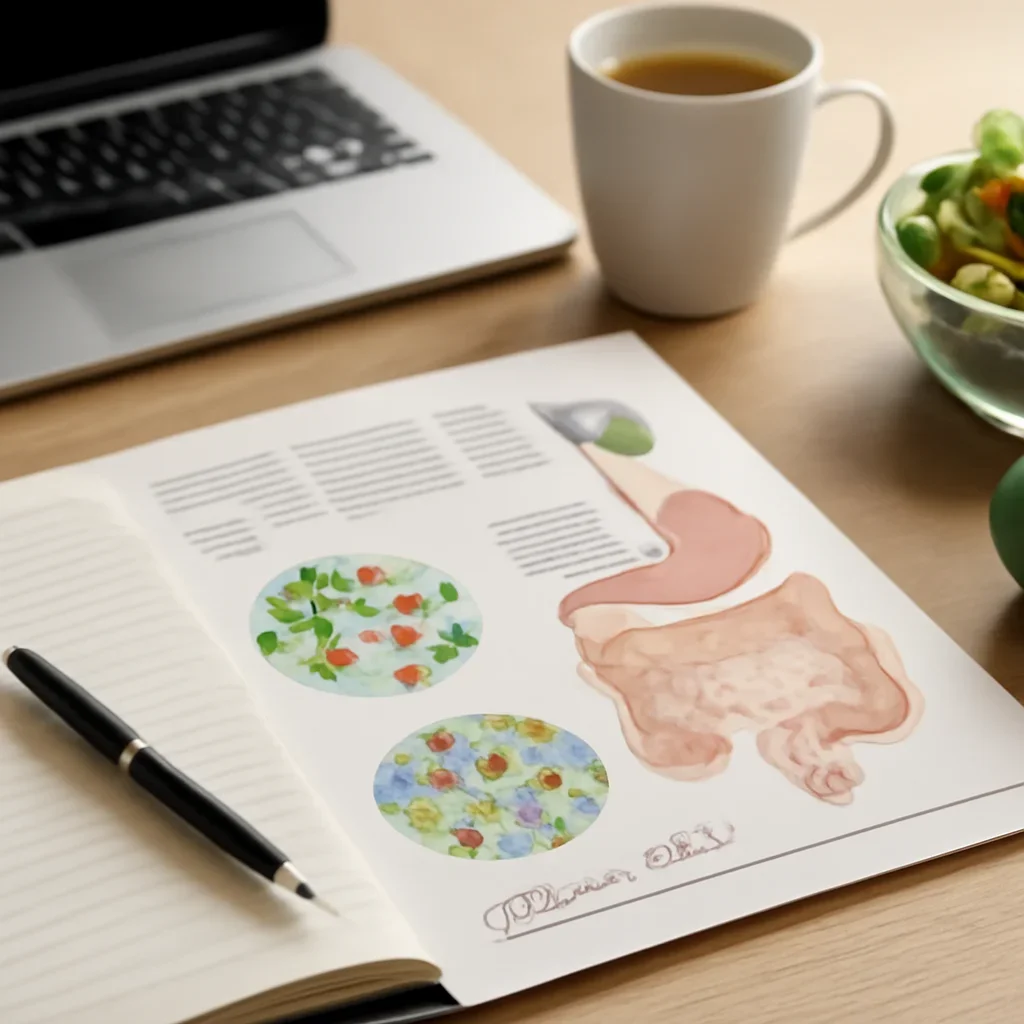
Diet and gut microbiome research

Vegan Diet and Gut Microbiome: What Research Shows

A vegan diet can change the types of foods and nutrients reaching the digestive tract, which is one reason researchers are interested in how plant-based eating patterns relate to the gut microbiome. Studies have identified microbiome differences associated with vegan, vegetarian, and omnivorous diets, but the results are more nuanced than saying that one diet creates a universally “better” microbiome.

Fiber intake, plant variety, overall food quality, habitual diet, medications, age, environment, and other personal factors can all contribute to microbiome differences. Two people who both describe themselves as vegan may therefore have very different diets and very different stool microbiome results.

Start with the broader diet and gut microbiome guide if you want the foundation first. This article focuses specifically on what vegan and plant-based dietary patterns may mean for microbiome research and testing.

Vegan diet and gut microbiome research overview
Quick answer

Does a vegan diet affect the gut microbiome? Diet can influence gut microbial composition, and research has found differences associated with vegan and plant-based eating patterns. However, scientists have not identified one universal “vegan gut microbiome.” The foods actually eaten, especially overall plant variety and fiber-rich foods, are more informative than the vegan label by itself.

Diet is one part of the picture

Why a Vegan Diet Can Influence the Gut Microbiome

The gut microbiome refers to microorganisms and their genetic material associated with the digestive tract. Food is one of the major environmental inputs those microorganisms encounter, so dietary patterns are a central part of microbiome research.

Vegan diets exclude animal-derived foods, but that definition alone says surprisingly little about the foods a person eats each day. One vegan diet may emphasize beans, lentils, vegetables, fruit, whole grains, nuts, and seeds. Another may contain far fewer whole plant foods and more highly processed products.

That distinction matters because researchers are interested not simply in whether a person is vegan, but in factors such as dietary fiber, carbohydrate types, food variety, habitual intake, and the overall dietary pattern.

New to this subject? Read What Is the Microbiome? before moving into diet-specific research.
Plant-based foods and gut microbiome research related to a vegan diet
Evidence-aware explanation

What Studies Say About Vegan Diets and Gut Bacteria

Research gives us useful signals, but not a simple ranking of vegan versus omnivorous microbiomes. Three ideas are especially important when interpreting the evidence.

1

Diet Patterns Can Be Reflected in the Microbiome

Large human studies have found that microbial profiles can differ across vegan, vegetarian, and omnivorous dietary groups. This supports the idea that long-term eating patterns can be associated with microbiome composition.

2

Results Are Not Identical Across Studies

Systematic reviews have reported inconsistent findings for some bacteria and microbial groups. That makes it inappropriate to claim that every vegan develops the same microbial pattern.

3

The Foods Behind the Diet Label Matter

A diet category does not capture plant variety, fiber intake, processing, portion sizes, supplements, medications, or other factors. Those differences can help explain why microbiome findings vary between individuals.

The Practical Takeaway

It is more accurate to ask, “How does my overall plant-based eating pattern interact with my gut microbiome?” than to assume that simply being vegan produces a particular bacteria profile.

Plant foods and fiber

Why Fiber Gets So Much Attention in Vegan Microbiome Research

Many minimally processed plant foods contain dietary fibers and other carbohydrates that are not completely digested before reaching the large intestine. That makes fiber an important part of research into diet–microbiome interactions.

But “vegan” does not automatically mean “high fiber.” Looking at the actual food pattern gives more useful context.

Whole Plant Foods Often Discussed in This Context

  • Beans, lentils, peas, and other legumes
  • Whole grains
  • Vegetables
  • Fruit
  • Nuts and seeds
  • A varied mix of plant foods over time

Why the Vegan Label Alone Is Not Enough

  • Fiber intake can differ substantially from person to person.
  • Plant variety can be narrow or broad.
  • Food processing can differ substantially.
  • Medication and supplement use can affect context.
  • Age, environment, lifestyle, and health history also matter.
  • A single stool sample captures only one point in time.
A common misconception

Is There a “Perfect” Vegan Gut Microbiome?

No single microbiome profile has been established as the ideal profile for everyone following a vegan diet.

Microbiome studies can compare groups and identify statistical differences, but those group-level findings should not be turned into a personal rule such as “vegans should have more of bacterium X” or “this bacterial percentage proves my diet is healthy.”

Gut microbial communities vary between individuals, and interpretation depends heavily on the testing method, the sample, the comparison data, and the question being asked.

Better Question to Ask

Instead of asking whether your microbiome looks “vegan enough,” ask what the report actually measured, how clearly those findings are explained, and what the test cannot establish.

Connecting diet to testing

Can a Gut Microbiome Test Show How Your Vegan Diet Is Affecting You?

A consumer microbiome test can provide information about microorganisms represented in the submitted stool sample and organize those findings into a report. Depending on the report, you may see bacterial groups, relative abundance information, diversity-related metrics, and educational context.

What the test cannot do is judge whether your overall vegan diet is nutritionally complete, prove that a particular food caused a bacterial result, or diagnose a digestive or nutritional condition.

That distinction is important for anyone testing before or after a diet change. A microbiome report can serve as educational context, but it should not be treated as a complete dietary assessment.

Before testing

Understand What Is Measured

Review the test method, sample type, report format, and intended use before deciding whether the information matches your question.

Before ordering

Preview the Report

Seeing a sample report helps you understand how bacteria, diversity, summaries, and limitations are presented before you spend money.

After results

Avoid Single-Bacteria Conclusions

Interpret the result as a microbiome snapshot rather than proof that one food, supplement, or dietary decision caused a particular outcome.

Responsible interpretation

What a Vegan Diet Microbiome Result Cannot Tell You

This is where diet and microbiome content often overreaches. A test result may be interesting, but it is not a complete explanation of your nutrition or health.

It Cannot Grade Your Vegan Diet

A stool microbiome result does not determine whether your overall diet provides every nutrient you need or whether your eating pattern is appropriate for your individual circumstances.

It Cannot Prove Food Caused a Result

Seeing a microbiome difference after changing your diet does not, on its own, prove that one specific food or dietary change caused that difference.

It Cannot Diagnose a Medical Condition

Consumer microbiome testing should not be used to diagnose IBS, IBD, food intolerance, nutrient deficiency, infection, or another medical condition.

At-home testing across the USA

Looking for a Gut Microbiome Test Near You?

If researching a vegan diet has led you to look for microbiome testing in your area, MicrobiomeTest.us uses an at-home collection model rather than requiring a routine visit to a local MicrobiomeTest.us clinic.

Customers order online, receive the kit at an eligible delivery address, collect the required stool sample privately at home, and return it according to the instructions supplied with the kit.

State and city guides provide location-specific information for U.S. customers. They are geographic ordering guides, not listings of separate MicrobiomeTest.us laboratories in every city.

Use your actual delivery location when reviewing current shipping information because delivery and sample-return transit can vary by destination.

Evidence and further reading

Research Behind Vegan Diet and Gut Microbiome Claims

Diet–microbiome research is still developing. The studies below are included so readers can distinguish research findings from marketing claims.

Effect of Plant-Based Diets on Gut Microbiota: A Systematic Review

This systematic review evaluated intervention studies involving plant-based dietary patterns and reported microbiome changes alongside several inconsistent findings. Review the PubMed record .

Is a Vegan or Vegetarian Diet Associated With the Microbiota?

This systematic review found that available studies did not identify one consistent microbiota composition that separated vegan or vegetarian diets from omnivorous diets. Review the PubMed record .

Gut Microbiome Signatures of Vegan, Vegetarian and Omnivore Diets

This large multinational analysis examined more than 21,000 people and found microbiome signatures associated with different habitual dietary patterns. Review the PubMed record .

Vegan diet and gut microbiome FAQ

Frequently Asked Questions About Vegan Diets and the Microbiome

Direct answers to common questions about vegan diets, plant foods, gut bacteria, microbiome diversity, and at-home testing.

Does a Vegan Diet Change the Gut Microbiome?

Diet can influence the gut microbiome, and research has identified microbial differences associated with vegan and other plant-based dietary patterns. The findings vary between studies, however, so there is no single microbiome profile that defines every vegan.

Do Vegans Have a More Diverse Gut Microbiome?

Not necessarily. Some studies report differences in microbiome diversity or composition between diet groups, while other studies find inconsistent results. Overall diet quality, fiber intake, plant variety, medication use, lifestyle, and other personal factors can influence the microbiome.

Is Fiber Important for the Gut Microbiome on a Vegan Diet?

Fiber is an important part of diet–microbiome research because many plant foods provide carbohydrates that interact with microorganisms in the digestive tract. However, simply identifying a diet as vegan does not tell you how much fiber or plant variety it contains.

Can a Microbiome Test Tell Me Whether My Vegan Diet Is Healthy?

No. A microbiome test can organize educational information about microorganisms represented in a stool sample, but it cannot determine whether your entire dietary pattern is nutritionally adequate or diagnose a health condition.

Should I Change My Vegan Diet Based on One Microbiome Test?

A single microbiome report should be treated as educational context, not as a complete nutrition assessment. Avoid making major health or dietary decisions solely from one consumer microbiome result.

Can I Order an At-Home Gut Microbiome Test in the USA?

MicrobiomeTest.us provides an online ordering and at-home sample collection model for U.S. customers. You can use the state directory or city directory for geographic guidance without assuming there is a walk-in MicrobiomeTest.us clinic in your area.

From research to an informed decision

Want to Explore Your Gut Microbiome?

If your vegan or plant-based diet has made you curious about your gut microbiome, start by understanding what the test actually measures. Review the test details, collection process, sample report, and limitations before deciding whether at-home testing fits what you want to learn.

Microbiome testing is intended for informational and general-wellness purposes. It should not be used as a medical diagnosis or as a complete assessment of the nutritional quality of a vegan diet.

Explore gut microbiome testing after researching a vegan diet and gut bacteria