Sample Collection
A stool sample is collected according to the kit instructions and prepared for return to the laboratory.

Microbiome sequencing technology is the laboratory and data-analysis foundation that turns genetic material from a stool sample into structured microbiome information. The sequencing method matters because different approaches look at different biological signals and can produce different levels of taxonomic or functional detail.
The three approaches most often discussed are 16S rRNA gene sequencing, shotgun metagenomic sequencing, and RNA-based metatranscriptomic sequencing. They should not be treated as interchangeable.
Before comparing test claims, connect the technology to the actual Gut Microbiome Test, Microbiome Analysis, and Sample Report. A method name is useful only when you also understand what reaches the final report.
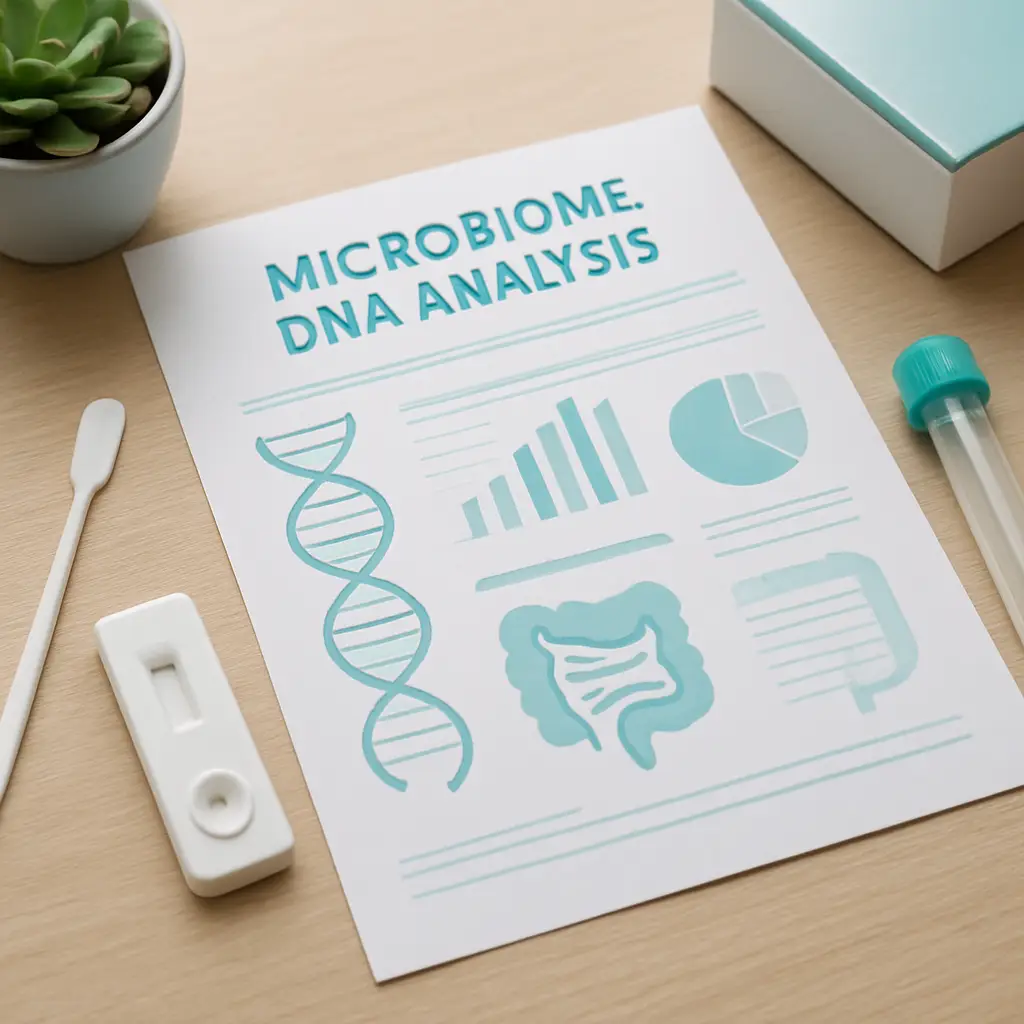
What does microbiome sequencing do? It reads selected DNA or RNA signals from microorganisms represented in a sample. Bioinformatics then compares those sequencing reads with reference data and organizes the findings into taxonomic, functional or activity-related information, depending on the method used.
Sequencing is only one part of the testing workflow. What you eventually see in a microbiome report is shaped by collection, laboratory preparation, sequencing, bioinformatics and report design.
This is important when comparing an at-home microbiome test kit. Two tests can both use stool samples while relying on different sequencing and analysis pipelines.
A stool sample is collected according to the kit instructions and prepared for return to the laboratory.
Genetic material is extracted and prepared according to the sequencing method and laboratory workflow.
The laboratory reads targeted DNA, broader sample DNA, or RNA-derived signals depending on the chosen method.
Computational analysis filters, classifies and organizes the reads before report information can be generated.

The methods answer related but different questions. Understanding that difference is more useful than simply asking which technology sounds more advanced.
| Method | What it reads | Typical strength | Important limitation |
|---|---|---|---|
| 16S rRNA Gene Sequencing | Selected regions of the 16S rRNA gene used as a marker for bacterial and archaeal community profiling. | Efficient taxonomic profiling when the main goal is understanding bacterial community structure. | Taxonomic resolution can vary, and it does not directly sequence the complete gene content of the microbial community. |
| Shotgun Metagenomics | DNA fragments collected more broadly from genetic material present in the sample. | Can provide broader taxonomic detail and information about microbial genes and potential functions. | Requires more sequencing and computational analysis, while final accuracy still depends on depth, databases and the analysis pipeline. |
| Metatranscriptomics / RNA Sequencing | RNA transcripts from microorganisms, usually converted to cDNA before sequencing. | Helps examine microbial genes that are being transcribed in the biological state represented by the sample. | RNA is more sensitive to collection, preservation and handling, and transcriptional activity should not be confused with a direct measurement of health. |
For a dedicated comparison, continue to 16S vs Shotgun vs RNA .
The sequencing method helps determine what information enters the analysis pipeline. That means two laboratories can analyze microbiome samples and still produce different taxonomic resolution, functional information and report structures.
16S results often emphasize broader bacterial groupings, while shotgun sequencing may support deeper identification when sequencing depth and reference data allow it.
Shotgun metagenomics can identify microbial genes present in the sample. RNA-based methods can add information about which genes are being transcribed.
Sequencing reads must be classified against reference information. Different databases and analysis pipelines can therefore influence organism names and abundance estimates.
More sequencing output does not automatically produce a more useful consumer report. Clear explanations, context and limitations still matter.
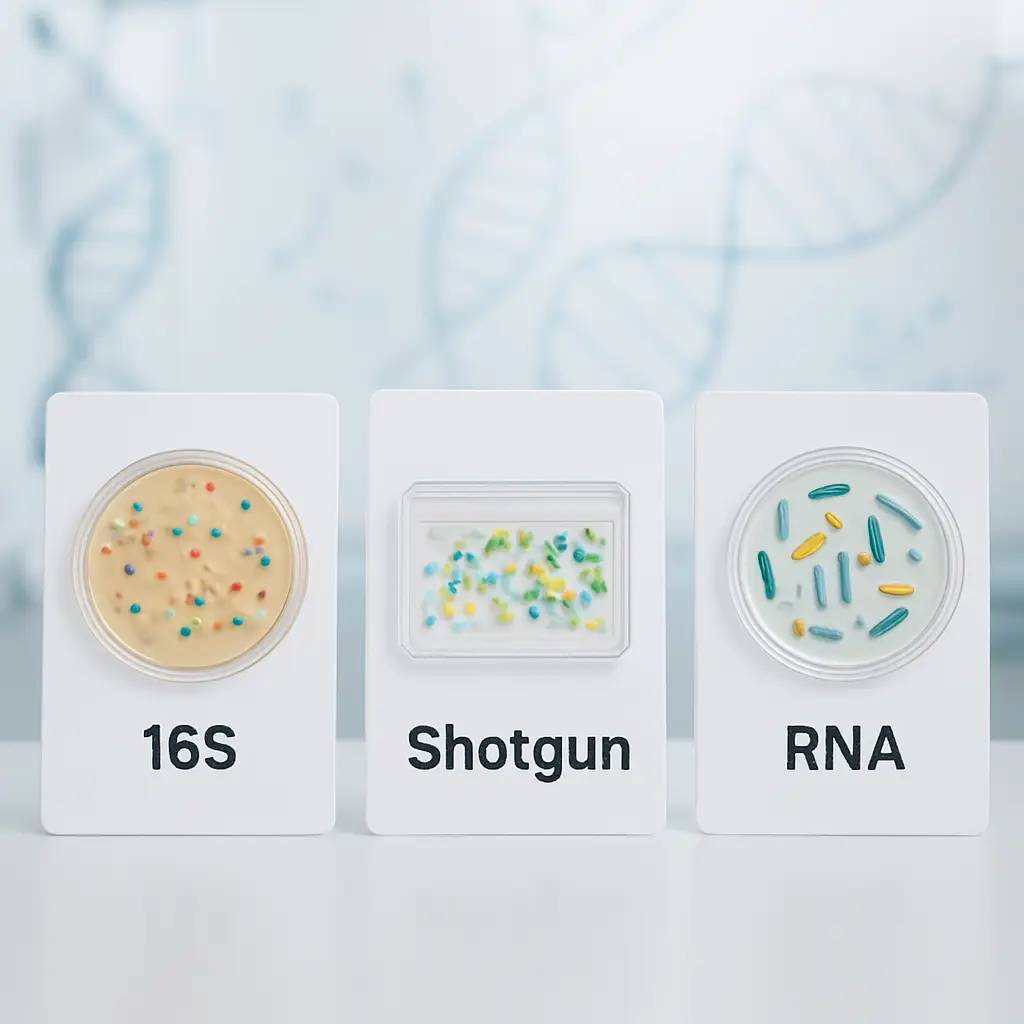
These terms often appear on laboratory, science and result pages. Knowing what they mean makes method comparisons easier.
Genetic material analyzed by common microbiome methods, including 16S rRNA gene sequencing and shotgun metagenomics.
A widely used marker gene containing conserved and variable regions that can support bacterial and archaeal classification.
Analysis of genetic material collected from a mixed microbial community rather than studying one isolated organism.
Groups used to classify organisms at levels such as family, genus or species.
The proportion of sequencing information assigned to one microbial group relative to others represented in the analyzed sample.
Computational processing used to clean, classify, compare and organize sequencing reads into interpretable microbiome information.
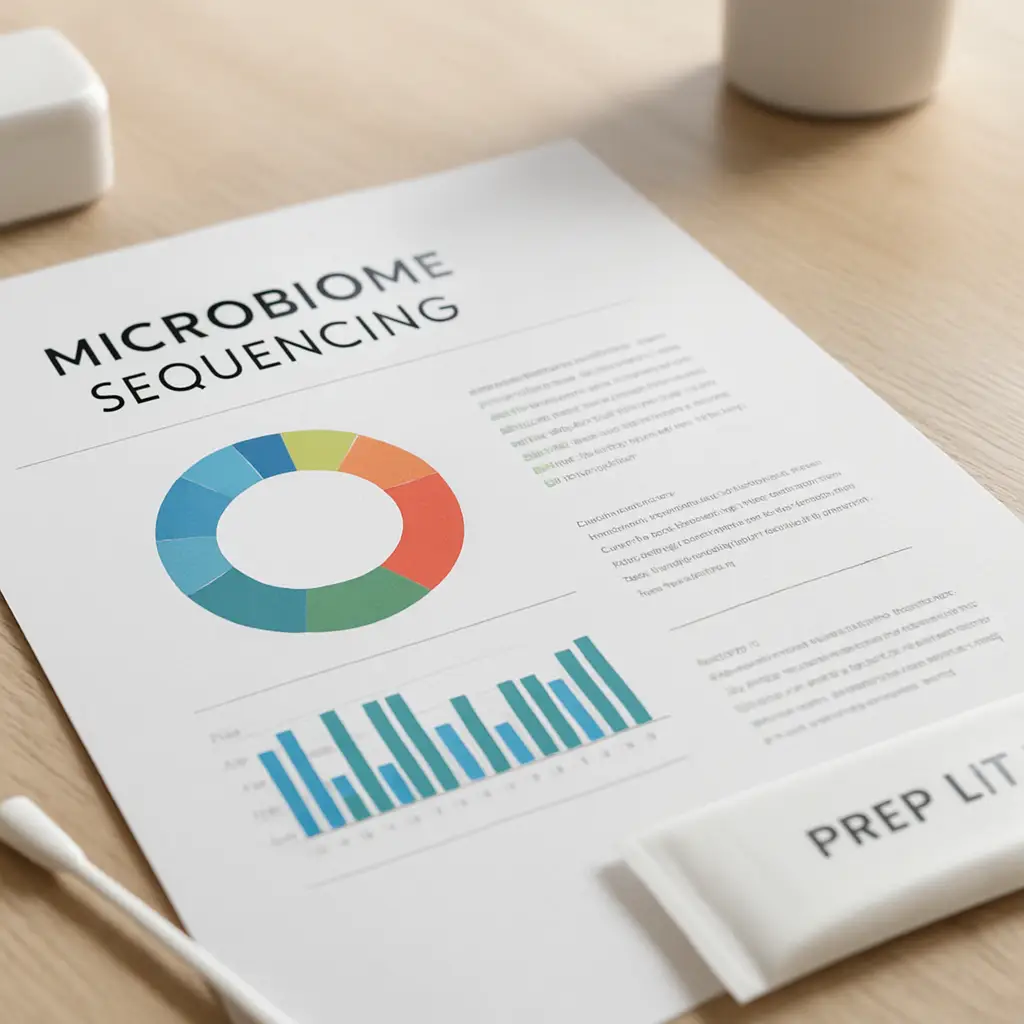
Raw sequencing output is not the same thing as a finished microbiome report. Several analysis and interpretation steps sit between the sequencer and the information a customer reads.
Before reading results, it can help to understand gut microbiome diversity , good vs bad gut bacteria , and microbiome testing limitations .
The technology can provide detailed biological information, but sequencing depth should not be confused with diagnostic certainty.
A sequencing label by itself does not tell you whether a test will answer the question you care about. Look at the entire sample-to-report process.
Look for specific terminology rather than broad phrases such as “advanced sequencing.”
Check whether the report focuses on family, genus, species or another level and whether those limits are explained.
Review the Sample Report before ordering rather than assuming more data means better usability.
Responsible providers should distinguish microbiome education from medical diagnosis.
Technology can affect laboratory and analysis costs. Compare the method with the actual report value on the Microbiome Test Cost page.
Collection, preservation and return instructions matter because the sequencing method starts with the biological material submitted to the laboratory.

For a mail-in at-home microbiome test, your city or state normally affects the practical logistics more than the underlying sequencing science. You collect the required stool sample at home and return it according to the kit instructions for laboratory processing.
That means a search for a “microbiome sequencing test near me” does not necessarily require a local sequencing laboratory or an in-person appointment. The more useful questions are whether the kit can be delivered to your location, how the return process works, and which laboratory method and report are attached to the test.
Delivery time, return transit time and laboratory processing time are separate parts of the testing process. Review the current ordering and shipping information for your actual U.S. destination.
A technically detailed dataset can still be misunderstood if the report does not explain uncertainty, methodology and the limits of consumer microbiome testing.
Results can also be influenced by the biological sample, collection and preservation, sequencing depth, reference databases, bioinformatics, statistical methods and the way findings are summarized.
This is especially important when microbiome information is being connected with digestive health testing or a gut health test. A sequencing method can provide microbiome data without turning a general-wellness report into a diagnosis.
Persistent, severe or concerning digestive symptoms should be evaluated by an appropriately qualified healthcare professional.
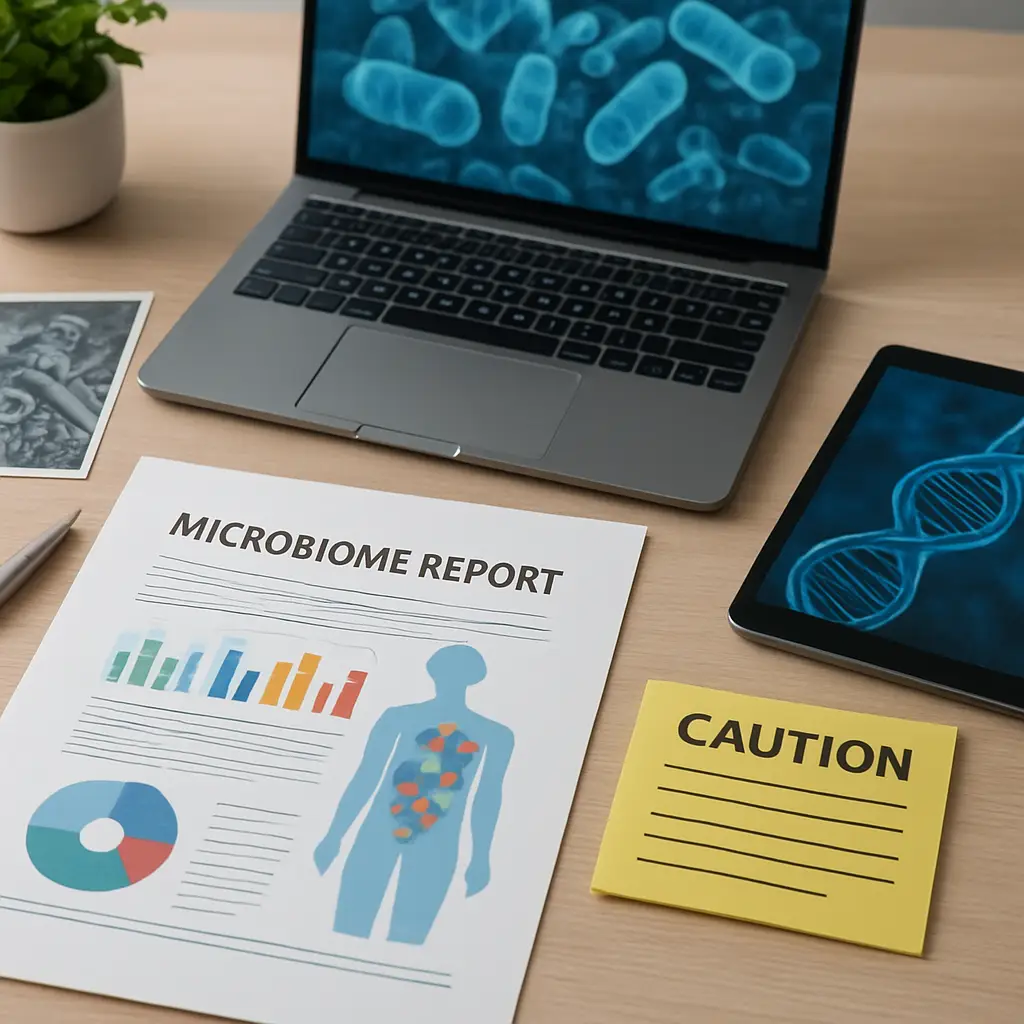
Use the next page that matches the question you still need answered instead of reading sequencing terminology in isolation.
Compare the three sequencing approaches in more detail on the 16S vs Shotgun vs RNA comparison .
Learn how sequencing information moves into data analysis and report organization on Microbiome Analysis.
Understand the difference between microbiome wellness testing and other digestive testing categories in Microbiome Test vs GI-MAP .
See the type of information a customer actually receives by opening the Sample Report.
Sequencing creates biological data. Review Privacy & Data before submitting a sample.
Connect sequencing technology to collection, return and laboratory processing through How It Works.
Know whether the test uses 16S, shotgun metagenomics, metatranscriptomics or another clearly described method.
Make sure the output is understandable and explains uncertainty rather than relying on impressive technical terminology.
Review how biological and sequencing information is handled through the Privacy & Data information before ordering.
Understand what the test is designed to show and what belongs with clinical evaluation instead.
Method comparisons matter because sequencing approaches do not always return identical microbiome profiles. These research papers provide useful background for the distinctions explained on this page.
A direct comparison using human gut microbiome stool samples found that shotgun metagenomics provided deeper characterization and identified more species than 16S amplicon sequencing in the tested samples. Review the PubMed record .
A 2024 study using matched human stool samples found meaningful differences between the two methods, particularly at lower taxonomic levels, reinforcing that method selection can affect results. Review the PubMed record .
This human microbiome study combined metagenomic and metatranscriptomic profiling to distinguish microbial gene presence from transcriptional activity. Review the PubMed record .
Direct answers to common questions about 16S sequencing, shotgun metagenomics, RNA analysis and gut microbiome reports.
Microbiome sequencing technology refers to laboratory and computational methods used to analyze genetic material from microorganisms represented in a biological sample. The method selected influences the kind and depth of information that can reach the final report.
16S rRNA gene sequencing targets a marker gene commonly used for bacterial and archaeal profiling. Shotgun metagenomic sequencing reads DNA more broadly across the sample and may provide deeper taxonomic and gene-level information. Results from both methods still depend on sample quality, sequencing depth, reference databases and bioinformatics.
Metatranscriptomics analyzes microbial RNA. It can provide information about genes being transcribed in the state represented by the sample, which is different from simply detecting DNA or gene potential.
No. Shotgun sequencing can provide broader and deeper information, but the right method depends on the goal, sample type, laboratory workflow, sequencing depth, analysis quality, price and usefulness of the final report.
Consumer microbiome sequencing should not be used by itself to diagnose IBS, IBD, infection or another digestive disorder. Persistent or concerning symptoms require appropriate clinical evaluation.
For a mail-in at-home microbiome test, your location is more relevant to kit delivery and sample-return logistics than to the sequencing technology itself. The collected sample is processed according to the laboratory workflow associated with the test.
Review the method, sample process, report example, testing limitations, privacy information and total cost. You can start with 16S vs Shotgun vs RNA , the Sample Report, and How It Works.
The most advanced-sounding technology is not automatically the most useful test for every person. Compare what is sequenced, how the data is analyzed, what appears in the report, and where the interpretation limits begin.
Start with the method comparison, preview the report, and then review the full at-home collection process before deciding whether a test fits what you want to learn.