Changes in Composition
Some bacterial groups may become less abundant while others become more prominent. The exact pattern can vary between people and antibiotic exposures.
Antibiotics are designed to act against bacteria, which means their effects may extend beyond the bacteria involved in an infection. Research shows that antibiotic exposure can also change the composition, abundance, diversity, and function of microorganisms living in the gut.
Those changes do not look the same in everyone. The type of antibiotic exposure, a person's starting microbiome, age, diet, health status, and other factors can influence what changes and how the microbial community develops afterward.
Quick answer: antibiotics can temporarily or sometimes more persistently alter parts of the gut microbiome. Many microbial features may move toward their earlier state after exposure ends, but there is no universal recovery timeline and a consumer microbiome test cannot determine whether antibiotic treatment was medically successful.
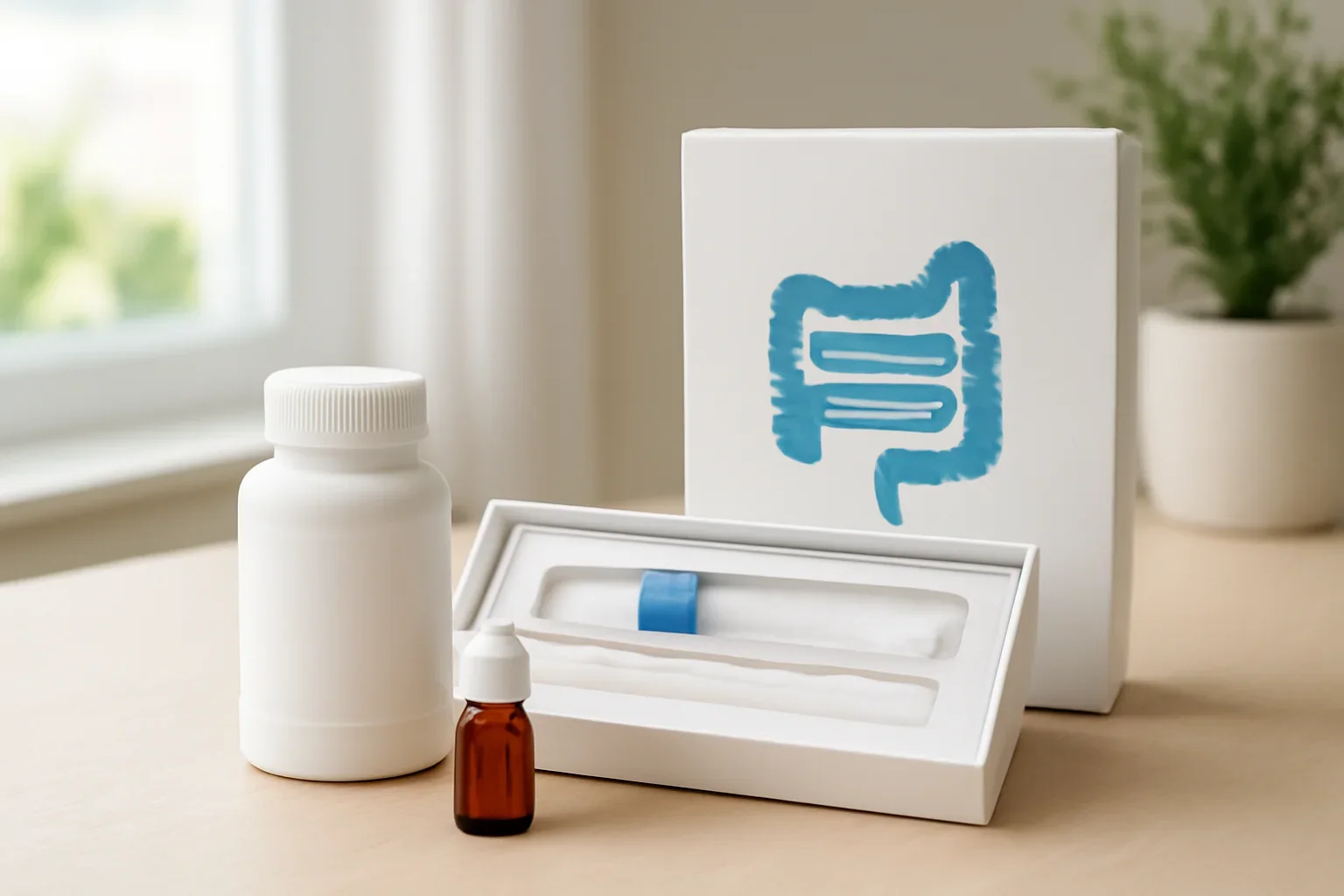
The gut contains a complex community of microorganisms. Antibiotics can affect susceptible bacteria within that community as well as the bacteria they were intended to target elsewhere in the body.
Human studies have documented changes in microbial composition and diversity following antibiotic exposure. Researchers have also studied changes in microbial functions and the collection of antibiotic-resistance genes found within the gut microbiome.
The size and duration of those changes vary. This is one reason it is misleading to describe antibiotics as either having “no effect” on the gut microbiome or as permanently “destroying” it.
No. Different antibiotics have different antibacterial activity, and studies show that microbiome responses can differ between exposures. Individual microbiomes also vary substantially before treatment begins, so two people may not show identical changes afterward.
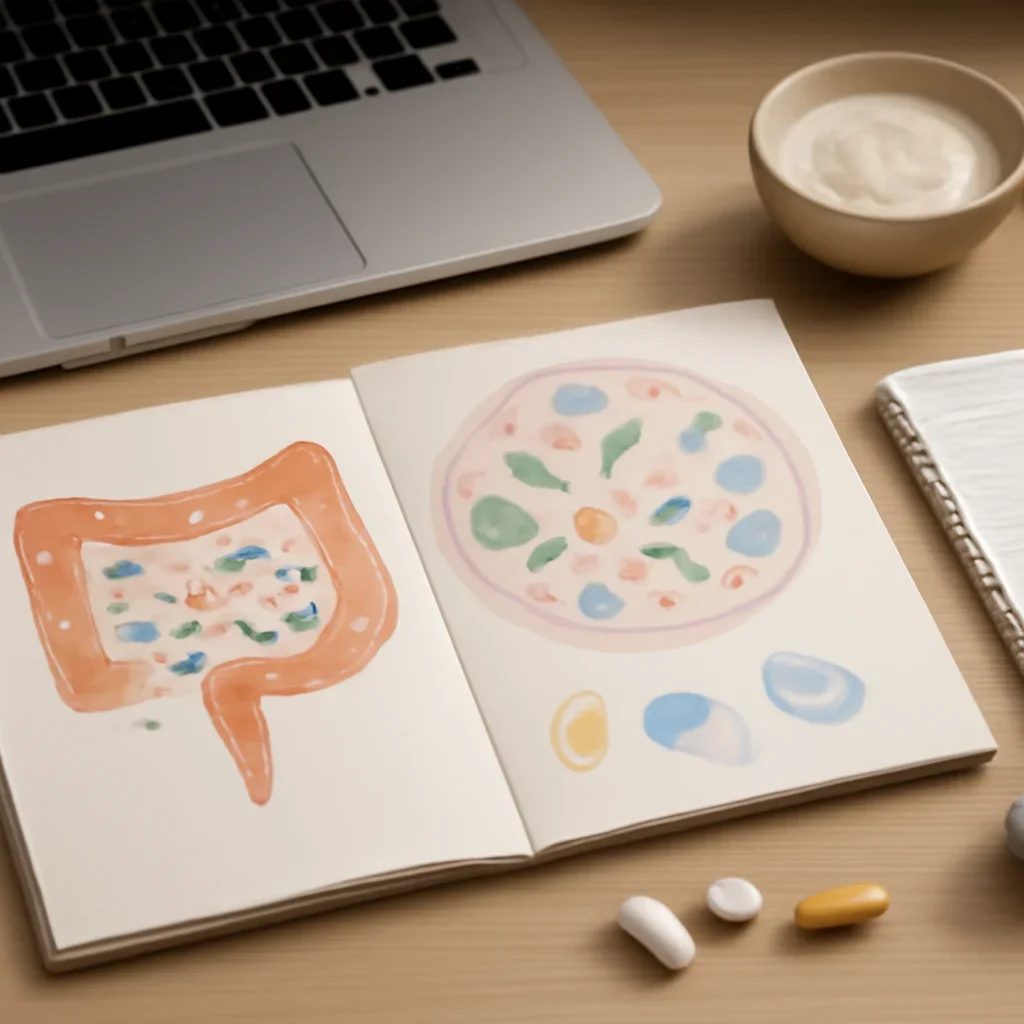
“The microbiome changed” can mean several different things. Research often looks at multiple features rather than relying on one score or one bacterial group.
Some bacterial groups may become less abundant while others become more prominent. The exact pattern can vary between people and antibiotic exposures.
Antibiotic exposure can reduce measures of bacterial richness or diversity in some studies. Diversity is useful context, but it is not a stand-alone diagnosis of gut health.
Researchers also study changes in microbial genes, metabolic activity, and other functional features rather than looking only at bacterial names.
Antibiotic exposure can influence the gut resistome—the collection of antimicrobial-resistance genes represented within the microbial community.
Starting microbiome composition and other personal factors mean that post-antibiotic microbiome patterns are not identical from one person to another.
One part of the microbial community may recover more quickly than another. This makes a single universal “recovery date” unrealistic.
Often, at least partly—but recovery is more complicated than simply returning every bacterial measurement to exactly where it started.
Human studies have found that many microbiome features can move back toward their pre-antibiotic state over time. At the same time, some bacterial species, taxonomic patterns, resistance features, or metabolic functions may remain different for longer.
Changes in microbial abundance and richness can occur during or shortly after antibiotic exposure.
After exposure ends, many bacterial populations may begin moving toward earlier levels. The pace differs between people and microbiome features.
Some studies have detected microbial differences months after antibiotic exposure even when broader diversity measurements appeared to recover.
Important: a microbiome recovery timeline from a research study should not be used to make decisions about prescribed medication. Questions about antibiotic treatment, symptoms, or infection should be handled by an appropriately qualified healthcare professional.
There is no single scientifically established recovery period that applies to every person.
Some human studies have observed substantial movement toward baseline within several weeks after antibiotic exposure, while also finding that certain species or other microbiome features remain altered months later. Other studies show different patterns depending on the antibiotic and outcome being measured.
| Question | What Research Supports | What Should Not Be Assumed |
|---|---|---|
| Does recovery begin after antibiotic exposure? | Many studies observe partial or substantial microbiome recovery over time. | That every bacterial species returns to exactly its previous level. |
| Can recovery happen within weeks? | Some studies of healthy adults have observed major recovery in broad microbiome measures within several weeks. | That the same timeline applies to every person or every antibiotic. |
| Can changes last for months? | Yes. Some taxa and other microbiome features have remained altered for longer periods in research studies. | That a persistent difference automatically means disease or permanent harm. |
| Can one stool test confirm full recovery? | A test can provide a snapshot of microorganisms represented in the submitted stool sample. | That one consumer report proves complete biological or clinical recovery. |
It is common to see probiotics described as a simple way to “replace the good bacteria” removed by antibiotics. Current evidence is more nuanced than that.
Probiotics are specific live microorganisms associated with specific studied effects. Different products can contain different microorganisms, strains, and amounts, so evidence for one product cannot automatically be applied to another.
A 2024 systematic review examining probiotics and antibiotic-induced microbiome disruption concluded that evidence for preventing or reversing microbiome disruption remains uncertain. That means “take a probiotic and restore your old microbiome” is too strong a claim.
Antibiotic exposure is only one factor connected with the gut microbiome. Diet, age, medications, illness, environment, and many other influences can contribute to differences between samples and between people.
This is important when interpreting a post-antibiotic microbiome result. A difference between two samples should not automatically be attributed to antibiotics alone.
Different dietary patterns provide different substrates for gut microorganisms and can influence microbiome composition and activity.
Antibiotics are not the only variables associated with microbial differences. Health status and other exposures can also matter.
A stool sample reflects a particular point in time. Testing during a period of change may produce a different snapshot than testing later.
An at-home microbiome test can analyze a stool sample collected after antibiotic exposure and organize the microorganisms represented in that sample into an educational report.
The important question is not simply whether testing is possible. It is what question you want the test to answer. Antibiotics may influence the microbiome represented in the sample, so timing and recent exposures are useful context when reviewing results.
The most useful interpretation begins with remembering that a microbiome report is a snapshot of the submitted sample—not a complete reconstruction of your microbiome history.
Recent antibiotic exposure may be relevant when interpreting the bacterial composition represented in your sample.
One high or low bacterial measurement should not automatically be turned into a diagnosis, treatment decision, or explanation for symptoms.
Composition, abundance, diversity, methodology, and report limitations are more useful together than one isolated metric.
MicrobiomeTest.us uses an at-home stool collection workflow. The standard testing process does not require routine sample collection at a branded local clinic.
Customers order online, receive the test kit at an eligible U.S. delivery address, collect the required sample privately at home, return it according to the supplied instructions, and then review the completed microbiome report.
The state and city pages provide location-specific guidance around online ordering, delivery, home sample collection, sample return, and laboratory processing. They do not claim that MicrobiomeTest.us operates a walk-in laboratory in every listed location.
These pages answer the most common next questions without repeating the information covered above.
Antibiotic effects on the human microbiome have been studied using sequencing, culture-based methods, functional analysis, and longitudinal sampling. Research supports microbiome disruption after antibiotic exposure, but also shows substantial variation in the degree and duration of those changes.
Direct answers to common questions about antibiotic exposure, microbiome recovery, probiotics, testing, and post-antibiotic reports.
Antibiotics can change the composition, abundance, diversity, and functional characteristics of bacteria represented in the gut microbiome. The degree of change varies between antibiotic exposures and individuals.
Often at least partly, but recovery is not identical for everyone. Studies show that many microbiome features can move toward earlier levels while some microbial differences may remain detectable longer.
There is no universal recovery period. Different studies report different patterns, and composition, diversity, individual bacterial groups, resistance genes, and microbial functions may recover at different rates.
A stool microbiome test can provide an educational snapshot after antibiotic exposure. Recent antibiotic use is important context because it may influence the microorganisms represented in the sample.
No. Consumer microbiome testing is not designed to determine whether an infection has been successfully treated or whether additional medical treatment is needed.
No. Evidence does not support assuming that every probiotic automatically restores a person's microbiome to its previous state. Effects can vary according to the microorganisms involved, product, study population, and outcome being measured.
Start by deciding what you want the test to answer. An at-home stool microbiome test can provide educational information about bacteria represented in a sample, but it cannot determine whether an infection was treated successfully or whether your microbiome is medically “recovered.”
Review the post-antibiotic testing guide , see the Sample Report , and read the microbiome science overview before deciding whether testing fits your goals.
At-home microbiome testing is intended for informational and general-wellness use. It does not diagnose infection, assess whether antibiotic treatment was successful, or replace professional medical evaluation.