Microbiome Testing Guides: Learn Before You Test
These microbiome testing guides organize the questions people ask before and after an at-home test.
Browse testing basics, science and methods, symptoms and conditions, diet and lifestyle, preparation, results, and testing limits.
The guides are educational. They can help you understand a test and report, but they do not diagnose, treat, cure, prevent, or rule out disease.
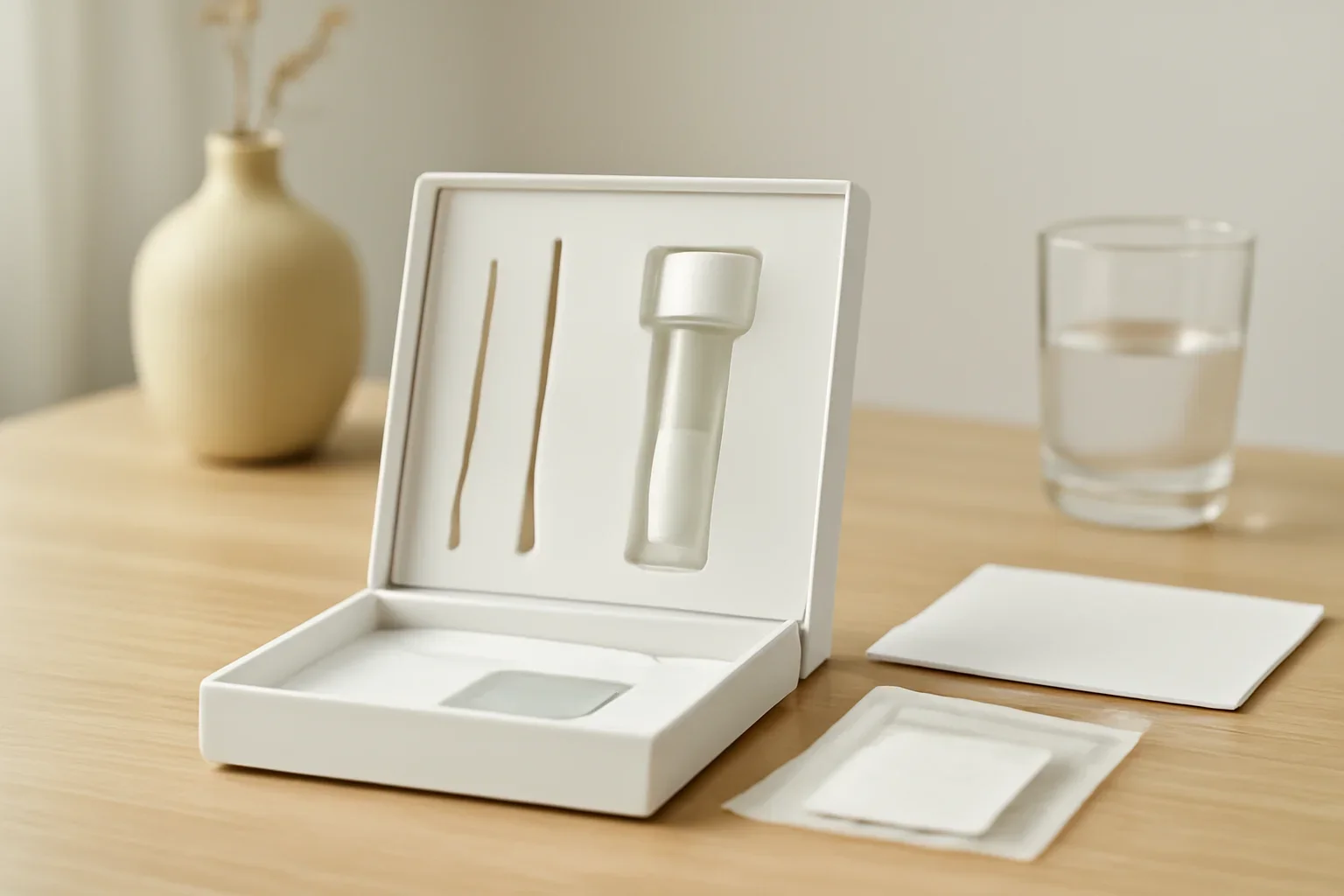
Which microbiome testing guide should you read first? Start with testing basics if you are new. If you already have a specific question, choose the category that matches it.
Find the Right Microbiome Guide Faster
This page is organized by question, not by publish date. You do not need to read everything.
Start With the Core Microbiome Concepts
These guides explain the basic terms that appear across the rest of the site.
What Is the Microbiome?
Learn what the microbiome is and which microbes it can include. See why gut communities differ from person to person.
What Is Gut Microbiome Diversity?
Learn richness, evenness, and common diversity scores. Higher diversity does not always mean better health.
Good vs Bad Gut Bacteria
Learn why gut microbes are not simply good or bad. Strain, amount, location, and context can matter.
Microbiome Glossary
Look up plain-English terms used in gut research, test methods, reports, and supplements.
Understand How Microbiome Science and Testing Work
Use these guides when the question is about biology, sequencing, or what a method can measure.
Microbiome Sequencing Technology
Compare 16S, shotgun DNA, and RNA methods. See what each can show and where each has limits.
Gut-Brain Axis and the Microbiome
Learn how the gut and brain can signal through nerves, immune signals, hormones, and microbial products.
How the Microbiome Relates to Digestion
See where gut microbes fit into digestion, fiber fermentation, bile acids, and short-chain fatty acids.
Microbiome and Immune Health
Review gut-barrier and immune research. Avoid simple claims about “boosting” the immune system.
Read Symptom Guides Without Turning Them Into Diagnoses
These pages explain what research has found about gut microbes and common health questions. They do not diagnose the cause of symptoms.
Microbiome and Bloating
Review fermentation, gas, and gut sensitivity. Stool data cannot explain every cause of bloating.
Microbiome and Constipation
Learn how transit time, stool form, methane research, and gut microbes can relate to constipation.
Microbiome and Diarrhea
Learn how rapid transit, antibiotics, and infection can change the gut. A wellness test is not an infection test.
Microbiome and IBS
Review gut-brain links, bowel patterns, and IBS research. A gut test does not diagnose IBS.
Microbiome and IBD
See what human studies show about Crohn’s disease and ulcerative colitis. These conditions need medical care.
Microbiome and Skin
Explore gut-skin research. Keep the gut microbiome separate from the skin microbiome.
Explore Food, Supplements, Medicines, and Daily Habits
These guides focus on patterns and evidence, not one-food or one-supplement promises.
Diet and the Gut Microbiome
Learn how food patterns can shape gut microbes. One diet does not work the same way for everyone.
Microbiome and Probiotics
Learn about strain, dose, CFU, and short-term growth in the gut. A stool result cannot prescribe a probiotic.
Prebiotics vs Probiotics
Compare food for selected microbes with live microbes that have evidence of a health benefit.
Antibiotics and the Gut Microbiome
Learn how antibiotics can change gut microbes. Recovery can differ by drug, person, and time.
Exercise and the Gut Microbiome
Review links between activity and gut microbes. Exercise is not a single microbiome fix.
Microbiome and Sleep
Review human sleep studies and possible gut-brain links. Stool testing does not diagnose sleep problems.
Microbiome and Weight
Learn what human studies show about weight and gut microbes. A link does not prove cause.
Gut Microbiome and Fiber: What to Know
Learn how some fibers feed gut microbes. Effects depend on the food, amount, and person.
30 Plant Foods a Week and the Microbiome
Put the “30 plants” idea in context. Learn what the research shows and where it has limits.
Plan the Test and Collect the Sample Carefully
These guides focus on preparation, timing, collection quality, and recent exposures that may affect interpretation.
How to Collect a Microbiome Sample
Learn how to avoid contamination, collect the right amount, label the tube, and follow storage directions.
How to Test Your Gut Microbiome at Home
See the steps from choosing a test to home collection, sample return, and report review.
Best Time to Take a Microbiome Test
Review timing around routine, bowel changes, illness, and other recent events.
Should You Test Before or After Probiotics?
Learn how probiotics can affect a sample and why timing should match your test question.
Microbiome Test After Antibiotics: When to Test
Review gut changes after antibiotics and why there is no single recovery timeline for everyone.
Understand What a Microbiome Report Is Showing
Use these guides after collection or when previewing how microbiome reports are commonly explained.
What Does a Microbiome Test Show?
Learn what a report may show about microbes, relative amounts, diversity, and common terms.
Microbiome Diversity Score Explained
Learn what a diversity score measures and why it is not a stand-alone health grade.
Know What Microbiome Testing Cannot Prove
These guides are useful before buying and before turning one report into a health conclusion.
Microbiome Testing Limitations
Review stool-sample limits, natural gut changes, test-method bias, relative amounts, and medical limits.
Are Microbiome Tests Worth It?
Weigh learning value, report clarity, cost, expectations, and test limits before you buy.
Are Gut Microbiome Tests Accurate?
Separate lab accuracy, repeat results, natural gut changes, and medical meaning.
What a Microbiome Test Cannot Tell You
Review limits around diagnosis, cause, treatment, exact cell counts, and the whole gut.
How Often Should You Test Your Microbiome?
Learn why repeat testing needs a clear question and why natural changes can affect comparisons.
Check the Current Test Details Before You Order
Educational guides explain the topic. Current product pages should answer the buying questions.
Sources Used to Structure This Learning Hub
Used for the basic definition of the microbiome and the range of microbes it can include. Review NIGMS definitions .
Used for the principle that collection, extraction, sequencing, software, and reporting can affect microbiome data. Review NIST guidance .
Used for U.S. context on consumer testing, evidence, test limits, and medical decisions. Review FDA guidance .
Used for the site's current educational and general-wellness scope and its non-diagnostic limits. Review the current disclaimer .
Frequently Asked Questions
Where Should I Start With Microbiome Testing Guides?
Start with testing basics if you are new. If you already have a clear question, go to that topic.
Can These Guides Tell Me Whether a Microbiome Test Will Diagnose My Symptoms?
No. These guides explain gut science, tests, and report terms. They do not diagnose symptoms or disease.
Which Guide Should I Read Before Ordering a Microbiome Test?
Read the basics, sample-collection guide, sequencing guide, sample-report information, and testing-limits guide. Then check current product details.
Do I Need to Read Every Microbiome Guide?
No. Use the hub by question. Read only the pages that match what you want to learn.
Are Microbiome Testing Methods All the Same?
No. Marker-gene, shotgun DNA, RNA, and other methods can provide different kinds of data.
How Should I Use Microbiome Results After Reading These Guides?
Use results as sample-based wellness information. Read the method, units, reference text, and limits before drawing a conclusion.
Use the Guides to Ask Better Questions Before and After Testing
Start with the topic you need today. Then move to the current test or report pages only when you need them.
This learning hub is educational. It does not replace medical evaluation for symptoms or health concerns.